
Travel Guide to Mount Fuji
Mount Fuji, standing at 3,776 meters, is Japan's highest mountain and a symbol of the nation. Located on Honshu Island, it is easily accessible from Tokyo and Yokohama, making it a popular destination for both locals and tourists. The mountain is renowned for its perfectly symmetrical cone shape and is often depicted in art and literature, embodying the spirit of Japan.
Visitors to Mount Fuji can experience breathtaking views from various vantage points, especially during sunrise and sunset when the mountain is bathed in golden light. The surrounding Fuji Five Lakes area offers a range of outdoor activities, including hiking, boating, and photography. The official climbing season typically runs from early July to early September, when the trails are open and the weather is most favorable.
Continue reading the travel guide
Travel Guide to Mount Fuji
Culturally, Mount Fuji holds significant importance in Japanese spirituality and is a UNESCO World Heritage Site. The mountain is often associated with Shinto beliefs, and many pilgrims have ascended its slopes for centuries. Visitors can explore the nearby Fuji Sengen Shrine, which is dedicated to the deity of the mountain and offers insights into its historical and cultural relevance.
For those planning a visit, it is essential to prepare adequately, as the weather can change rapidly, and the climb can be challenging. There are several routes to the summit, each offering unique experiences and views. Whether you choose to hike to the top or admire the mountain from below, Mount Fuji promises an unforgettable experience.
Why Visit?
Visiting Mount Fuji offers a unique blend of natural beauty, cultural significance, and outdoor adventure. Its stunning landscapes, rich history, and the opportunity to climb Japan's tallest peak make it a must-see destination for travelers.
Best Time to Visit
The best time to visit Mount Fuji is during the climbing season from early July to early September when the weather is most stable. For those who prefer to enjoy the views without climbing, spring and autumn offer beautiful scenery and fewer crowds.
Ready to go? Plan your Mount Fuji trip → Good to know →
Plan your trip to Mount Fuji
Flights, accommodation and ways to get around — plan the details that matter to you.
Find flights to Mount Fuji
Nearest recommended airport search point: NRT.
See recent flight offersFrom NRT €53
Recent flight offers
Compare available fares and routes for Mount Fuji.
Flights from Mount Fuji Departures · NRT
Cheap Flights from NRT (NRT)
Compare the latest low fares from NRT to popular destinations. Prices are updated regularly and may change based on travel dates and availability.
Stay & getting around
Choose a neighbourhood, then decide how you will get from the airport and around the city.
Where to stay Neighbourhoods and accommodation
Where to Stay in Mount Fuji
The nearby town of Fujiyoshida is an excellent base for exploring Mount Fuji, offering various accommodations, including hotels and traditional ryokans. Additionally, the Fuji Five Lakes area provides numerous lodging options with stunning views of the mountain.
Getting around Airport transfers and local transport

Getting Around Mount Fuji
Mount Fuji is easily accessible by train and bus from Tokyo and other major cities. Once in the area, local buses connect various attractions, and many visitors opt to rent cars for greater flexibility. Hiking trails are well-marked, making it easy to navigate the mountain.
Travel essentials
 Stay connected
 Flight delayed or cancelled?
Popular Activities in Mount Fuji
Good to know about Mount Fuji
Map & DirectionsChoose a map
Open Mount Fuji in your preferred map app.




Country factsCapital, language and useful details
Quick Facts
Country
Location
Practical Information
Climate
Japan has a varied climate, with four distinct seasons. The northern regions experience cold winters, while southern areas enjoy a subtropical climate. Spring and autumn are particularly pleasant for travelers.
Money
The local currency is JPY - Yen (¥). Cards are widely accepted in urban areas, but carrying cash is advisable for small purchases, local transport, and in rural areas.
Internet & SIM
Japan offers good mobile coverage, with SIM and eSIM options available from local and international providers. Wi-Fi is commonly accessible in urban areas and public places.
Electricity
Voltage: 100 V
Frequency: 50 / 60 Hz
Safety
Emergency
110 / 119
Explore more in Japan
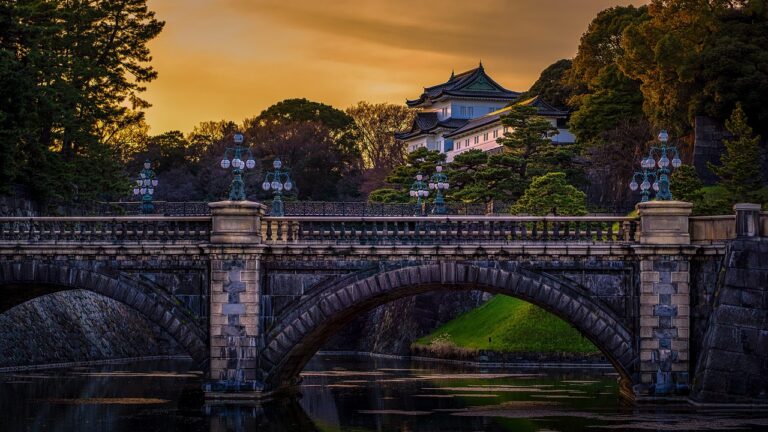
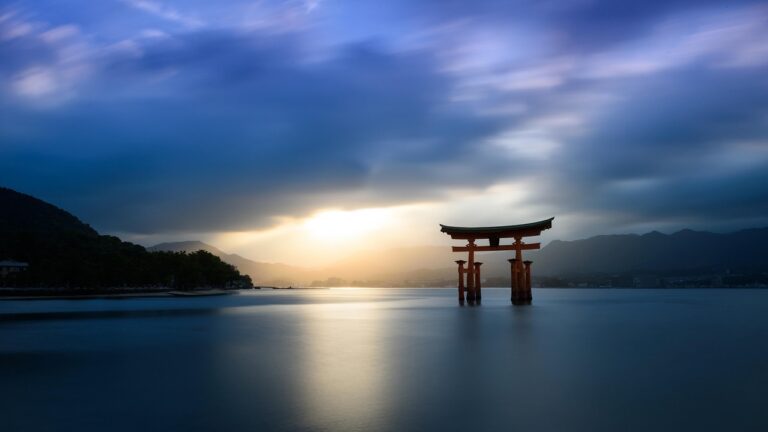
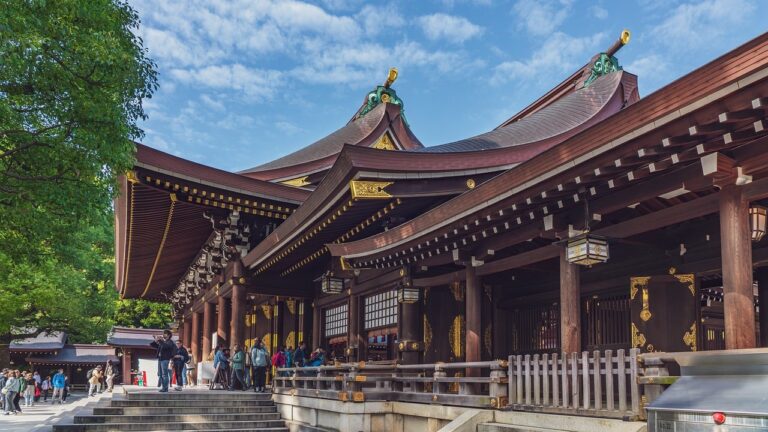
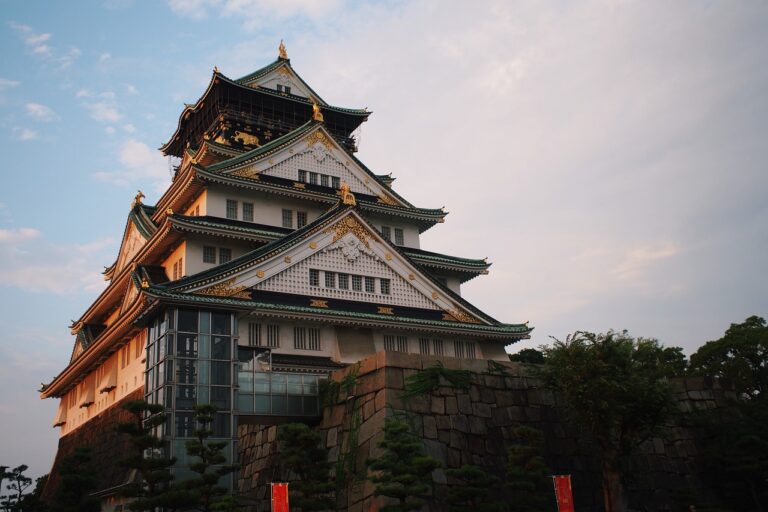
Places to Visit in Japan

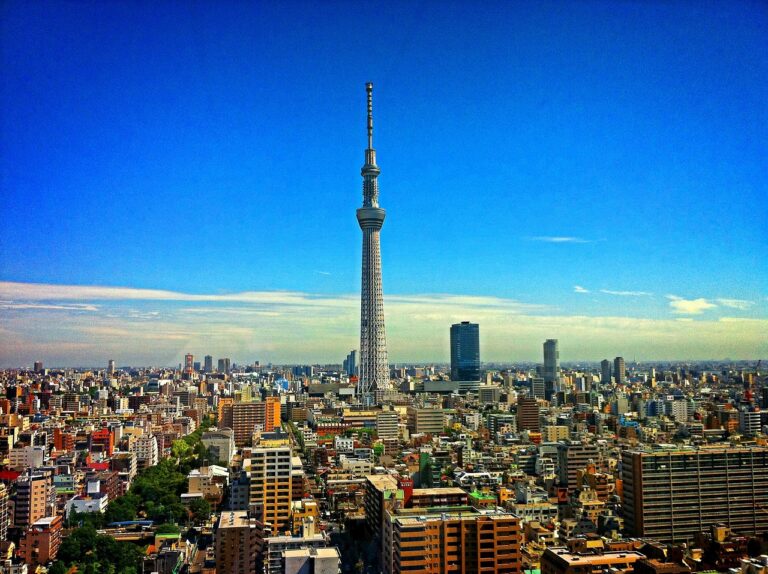
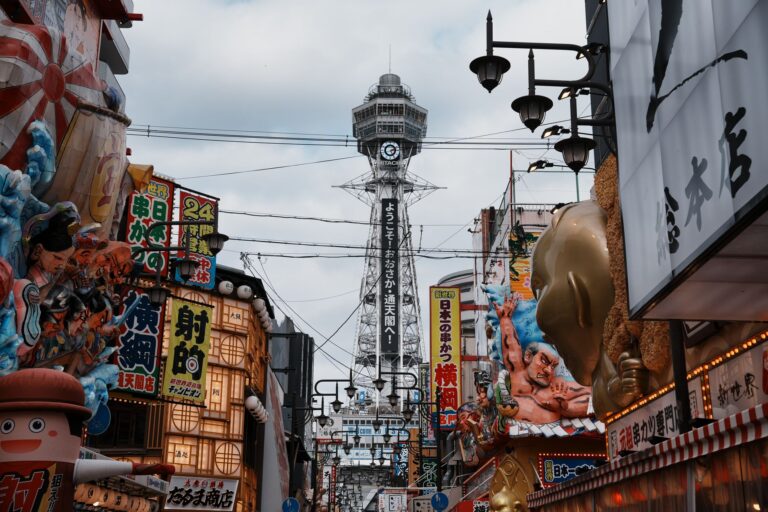
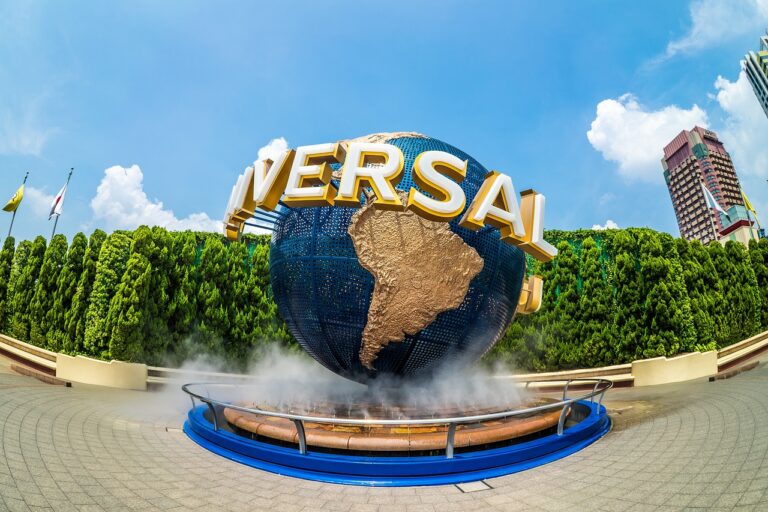
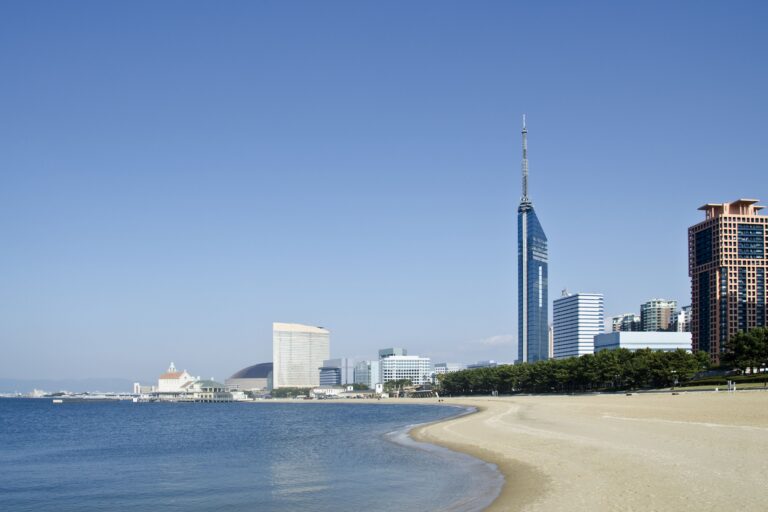
Cities in Japan
About NomadRoute
NomadRoute helps travelers discover destinations, compare flight options, and find competitive fares from trusted airlines and travel providers worldwide. We do not sell airline tickets directly. Instead, we connect travelers with leading booking partners.
Discover More Destinations
Find low fares from trusted travel providers.
Compare options and book directly with partners.
Explore destinations and routes worldwide.