
Travel Guide to Nara
Nara, once the capital of Japan, is a city steeped in history and culture, offering visitors a unique glimpse into the nation’s past. The city is home to several UNESCO World Heritage sites, including Todai-ji Temple, which houses a giant Buddha statue, and Kasuga-taisha Shrine, famous for its hundreds of bronze lanterns. Strolling through Nara Park, you can encounter the friendly deer that roam freely, adding to the city's charm.
The atmosphere in Nara is tranquil, with traditional wooden buildings and serene gardens creating a peaceful backdrop for exploration. The historic Naramachi district features preserved merchant houses and shops, where you can experience local crafts and cuisine. Don’t miss trying Nara’s specialty, kakinoha-zushi, a sushi wrapped in persimmon leaves, which is a delightful treat.
Continue reading the travel guide
Travel Guide to Nara
Getting around Nara is convenient, with many attractions within walking distance. Bicycles are also available for rent, making it easy to explore at your own pace. For those looking to venture further, nearby cities like Kyoto and Osaka are easily accessible by train, allowing for a seamless day trip. Nara's blend of history, culture, and natural beauty makes it an unforgettable destination for travelers seeking an authentic Japanese experience.
Why Visit?
Nara is a treasure trove of cultural heritage, featuring remarkable attractions like Todai-ji and Kasuga-taisha. The city's unique blend of history, nature, and local cuisine, such as kakinoha-zushi, offers a rich experience. Additionally, the opportunity to interact with the free-roaming deer in Nara Park adds a whimsical touch to your visit, making it a memorable destination.
Best Time to Visit
The best time to visit Nara is during the spring (March to May) and autumn (September to November) months when the weather is mild and the scenery is breathtaking. In spring, cherry blossoms bloom, creating picturesque landscapes, while autumn showcases vibrant foliage, perfect for leisurely strolls through parks and temples. Summer can be hot and humid, making outdoor activities less enjoyable, while winter, although less crowded, can be chilly and may limit some outdoor experiences. To avoid crowds, consider visiting during weekdays or early mornings, especially at popular sites like Todai-ji.
View all
Top Attractions in Nara
- Todai-ji Temple
- Nara Park
- Kasuga-taisha Shrine
- Naramachi District
- Kofuku-ji Temple
- Isuien Garden
- Tōdai-ji Nigatsu-dō
- Nara National Museum
Ready to go? Plan your Nara trip → Good to know →
Plan your trip to Nara
Flights, accommodation and ways to get around — plan the details that matter to you.
Stay & getting around
Choose a neighbourhood, then decide how you will get from the airport and around the city.
Where to stay Neighbourhoods and accommodation
Where to Stay in Nara
Nara offers a range of accommodation options, from traditional ryokans to modern hotels. For a unique experience, consider staying in a ryokan near Nara Park, where you can enjoy tatami-matted rooms and kaiseki meals. Alternatively, the city center has various hotels and guesthouses that provide easy access to major attractions, making it convenient for exploring.
Getting around Airport transfers and local transport

Getting Around Nara
Nara is a compact city, making it easy to explore on foot or by bicycle. Many of the main attractions are within walking distance of each other, particularly around Nara Park. For those preferring public transport, local buses connect key sites, and bicycle rentals are widely available, allowing for a leisurely exploration of the city's beautiful scenery.
Travel essentials
 Stay connected
 Flight delayed or cancelled?
Popular Activities in Nara
Good to know about Nara
Country factsCapital, language and useful details
Quick Facts
Country
Location
Practical Information
Climate
Japan has a varied climate, with four distinct seasons. The northern regions experience cold winters, while southern areas enjoy a subtropical climate. Spring and autumn are particularly pleasant for travelers.
Money
The local currency is JPY - Yen (¥). Cards are widely accepted in urban areas, but carrying cash is advisable for small purchases, local transport, and in rural areas.
Internet & SIM
Japan offers good mobile coverage, with SIM and eSIM options available from local and international providers. Wi-Fi is commonly accessible in urban areas and public places.
Electricity
Voltage: 100 V
Frequency: 50 / 60 Hz
Safety
Emergency
110 / 119
Frequently Asked Travel Questions
What is the best time to visit Nara?
The best time to visit Nara is during spring (March to May) and autumn (September to November) when the weather is pleasant and the scenery is beautiful.
How long should I plan to stay in Nara?
A stay of one to two days is ideal for exploring Nara's main attractions and enjoying its serene atmosphere.
What are the main attractions in Nara?
Key attractions include Todai-ji Temple, Nara Park, Kasuga-taisha Shrine, and the historic Naramachi district.
How do I get around Nara?
Nara is easy to navigate on foot or by bicycle, with many attractions within walking distance. Local buses are also available for longer distances.
Is Nara safe for tourists?
Yes, Nara is generally considered safe for tourists, with low crime rates and friendly locals. However, as with any destination, it's wise to stay aware of your surroundings.
Explore more in Japan
Places to Visit in Japan
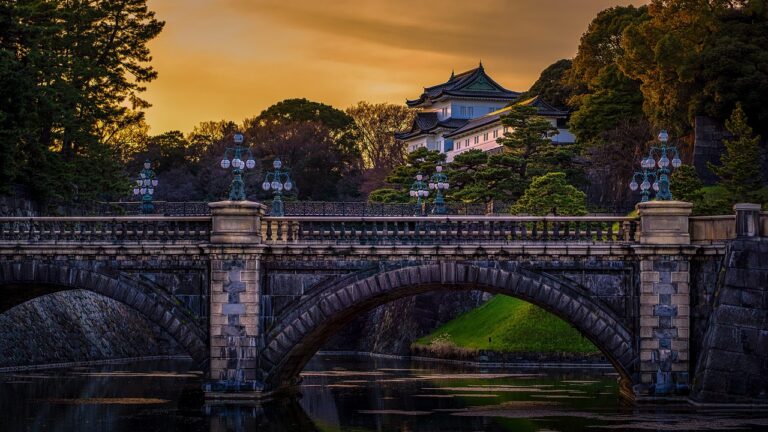

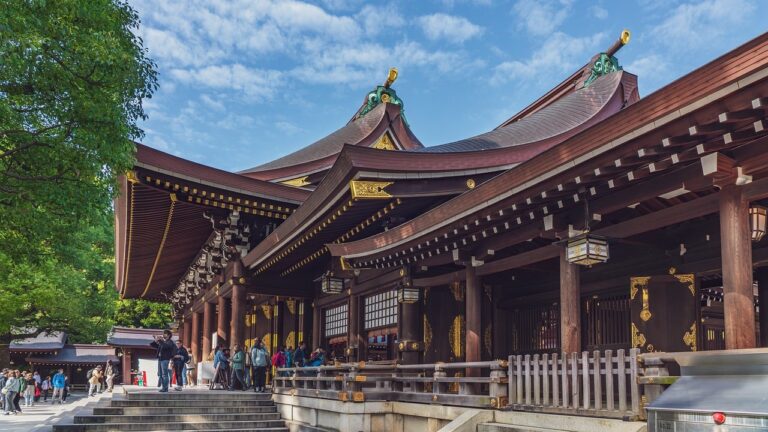


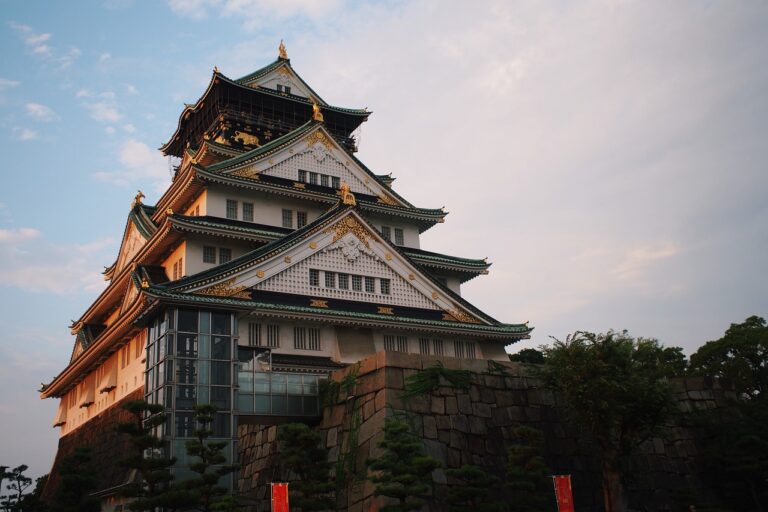
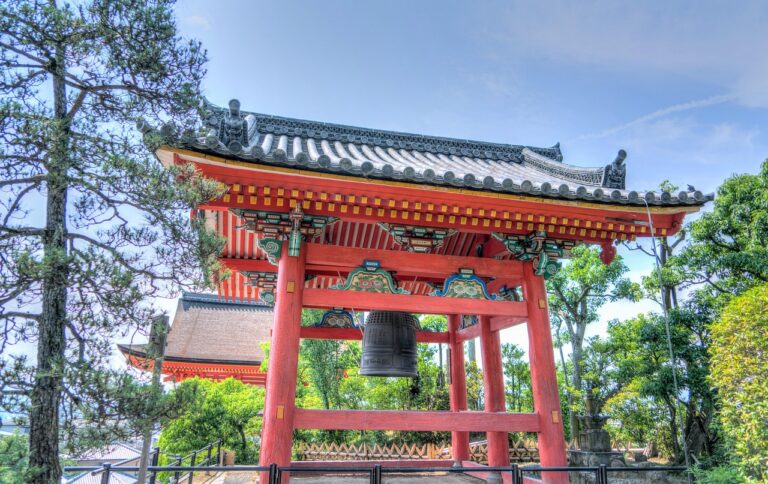
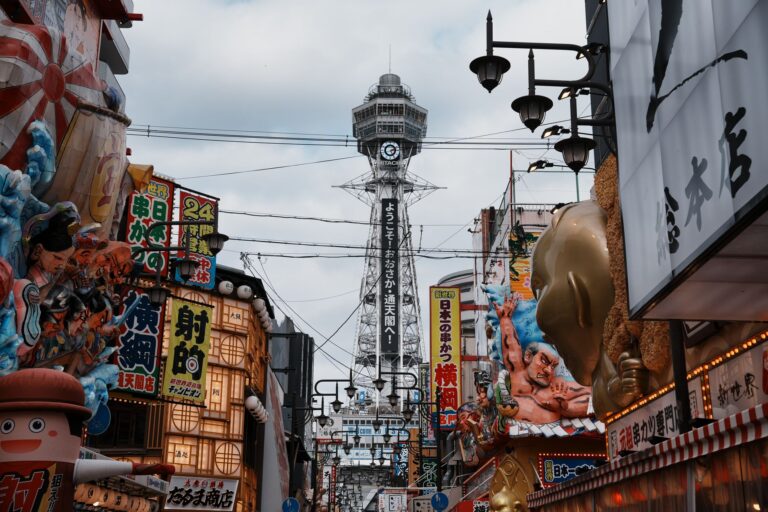

Cities in Japan
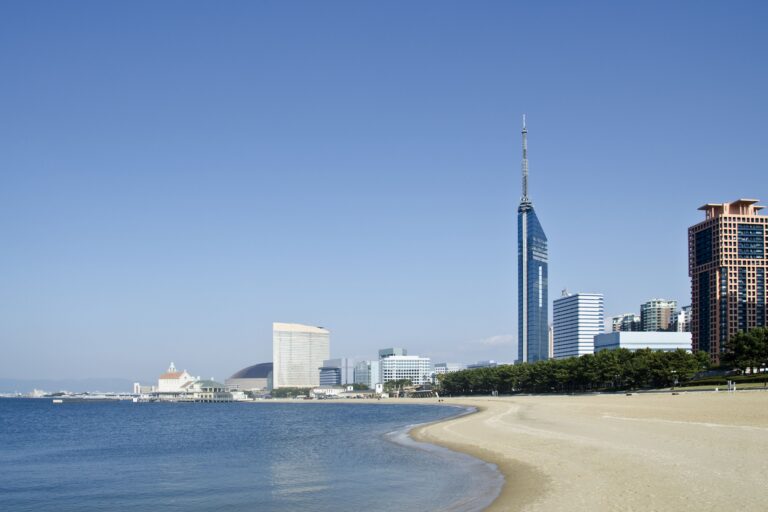
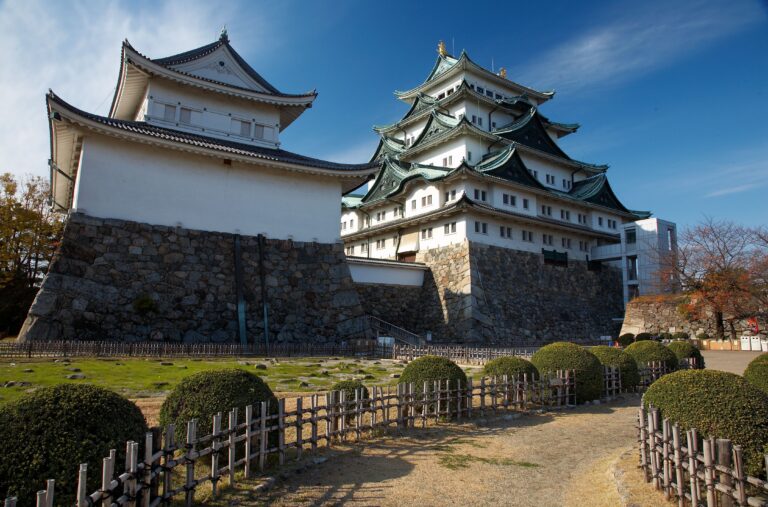
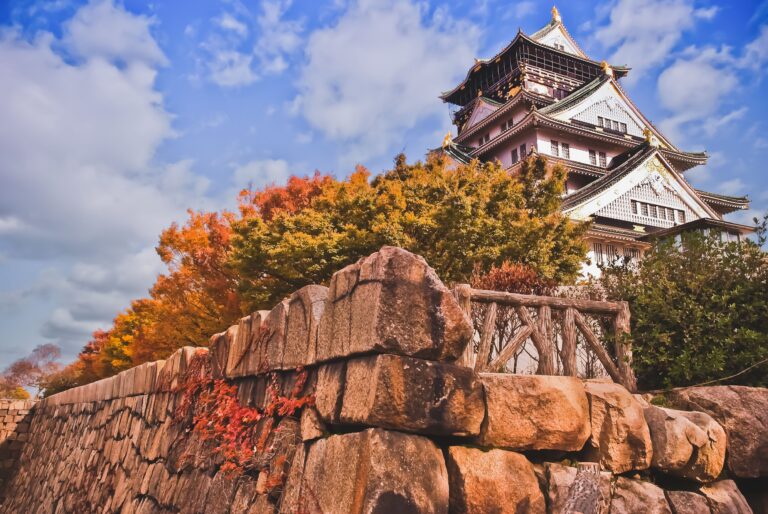
About NomadRoute
NomadRoute helps travelers discover destinations, compare flight options, and find competitive fares from trusted airlines and travel providers worldwide. We do not sell airline tickets directly. Instead, we connect travelers with leading booking partners.
Discover More Destinations
Find low fares from trusted travel providers.
Compare options and book directly with partners.
Explore destinations and routes worldwide.