
Travel Guide to Shibuya Crossing
Shibuya Crossing, situated in the heart of Tokyo, is a captivating sight that embodies the city's energetic spirit. Often dubbed the busiest pedestrian crossing in the world, it witnesses thousands of people crossing from all directions simultaneously, creating a breathtaking visual spectacle. The surrounding area is adorned with neon lights, towering screens, and a diverse array of shops, restaurants, and entertainment venues, making it a lively hub of activity both day and night.
Historically, Shibuya has been a focal point for youth culture and fashion, drawing both locals and visitors. The crossing has been featured in countless films, television shows, and advertisements, reinforcing its status as a cultural icon. Visitors can enjoy a unique experience, whether they choose to cross the street, observe from a nearby café, or capture the moment through photography.
Continue reading the travel guide
Travel Guide to Shibuya Crossing
When planning a visit, it's important to consider the optimal times to experience the crossing. Early mornings or late evenings tend to be less crowded, allowing for a more leisurely experience. However, the crossing truly comes alive during peak hours, offering an authentic taste of Tokyo's bustling lifestyle. Shibuya is conveniently connected by public transport, making it easily accessible from various parts of the city, and is just a short distance from other attractions like the renowned Hachiko Statue and the Shibuya 109 shopping complex.
Why Visit?
A visit to Shibuya Crossing is essential for anyone wanting to feel the heartbeat of Tokyo. The incredible volume of pedestrians and the vibrant atmosphere create an unforgettable experience, showcasing the city's unique blend of tradition and modernity. It's an ideal spot for photography, people-watching, and immersing oneself in the local culture.
Best Time to Visit
The best time to experience Shibuya Crossing is in the evening when the area is aglow with neon lights and buzzing with energy. Weekdays are generally less crowded than weekends, and early mornings can offer a quieter atmosphere to appreciate the crossing's unique charm.
Ready to go? Plan your Shibuya Crossing trip → Good to know →
Plan your trip to Shibuya Crossing
Flights, accommodation and ways to get around — plan the details that matter to you.
Find flights to Shibuya Crossing
Nearest recommended airport search point: HND.
See recent flight offersFrom HND €96
Recent flight offers
Compare available fares and routes for Shibuya Crossing.
Flights from Shibuya Crossing Departures · HND
Cheap Flights from HND (HND)
Compare the latest low fares from HND to popular destinations. Prices are updated regularly and may change based on travel dates and availability.
Stay & getting around
Choose a neighbourhood, then decide how you will get from the airport and around the city.
Where to stay Neighbourhoods and accommodation
Where to Stay in Shibuya Crossing
For a convenient stay, consider accommodations in Shibuya itself or nearby areas like Harajuku or Shinjuku. These neighborhoods provide a variety of hotels and guesthouses, ensuring easy access to Shibuya Crossing and other attractions in Tokyo.
Getting around Airport transfers and local transport

Getting Around Shibuya Crossing
Shibuya Crossing is easily reachable via public transportation, with Shibuya Station serving as a major hub for several train and subway lines. Once in the area, walking is the best way to explore, as many attractions are within a short distance of the crossing. Taxis and ride-sharing services are also available for those who prefer a more direct route.
Travel essentials
 Stay connected
 Flight delayed or cancelled?
Popular Activities in Shibuya Crossing
Good to know about Shibuya Crossing
Map & DirectionsChoose a map
Open Shibuya Crossing in your preferred map app.




Country factsCapital, language and useful details
Quick Facts
Country
Location
Practical Information
Climate
Japan has a varied climate, with four distinct seasons. The northern regions experience cold winters, while southern areas enjoy a subtropical climate. Spring and autumn are particularly pleasant for travelers.
Money
The local currency is JPY - Yen (¥). Cards are widely accepted in urban areas, but carrying cash is advisable for small purchases, local transport, and in rural areas.
Internet & SIM
Japan offers good mobile coverage, with SIM and eSIM options available from local and international providers. Wi-Fi is commonly accessible in urban areas and public places.
Electricity
Voltage: 100 V
Frequency: 50 / 60 Hz
Safety
Emergency
110 / 119
Explore more in Japan
Places to Visit in Japan


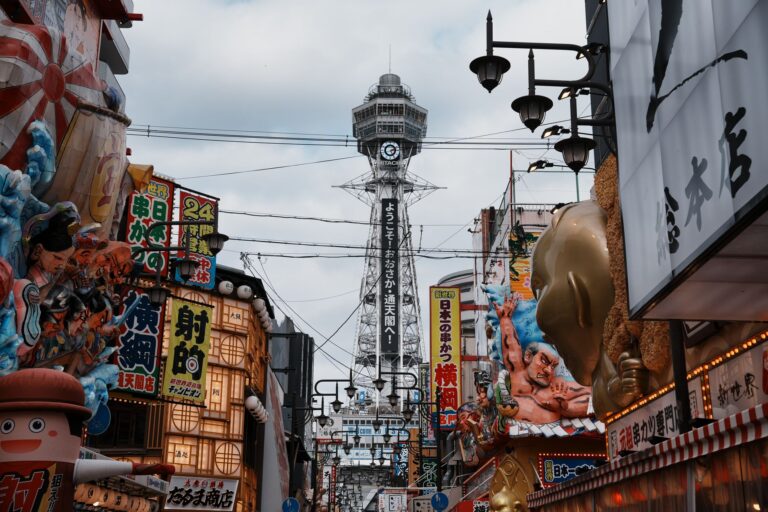

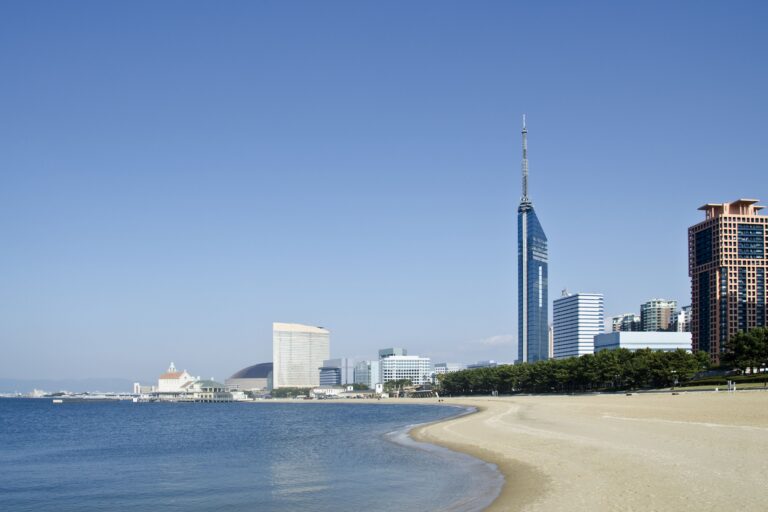
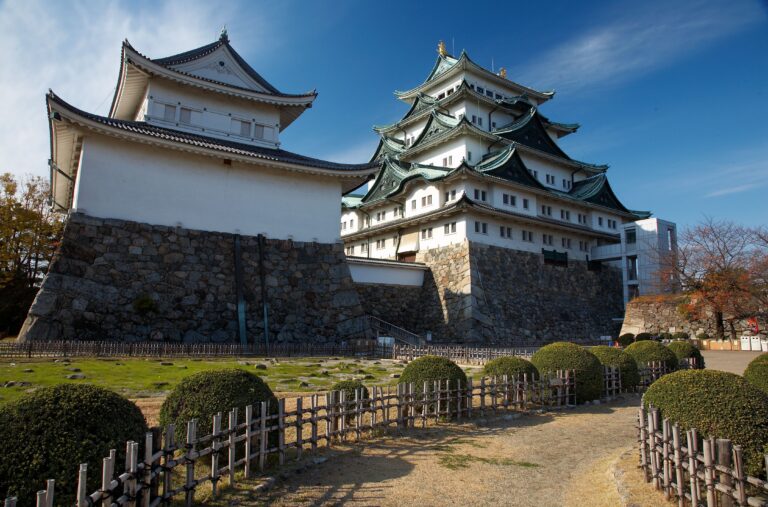
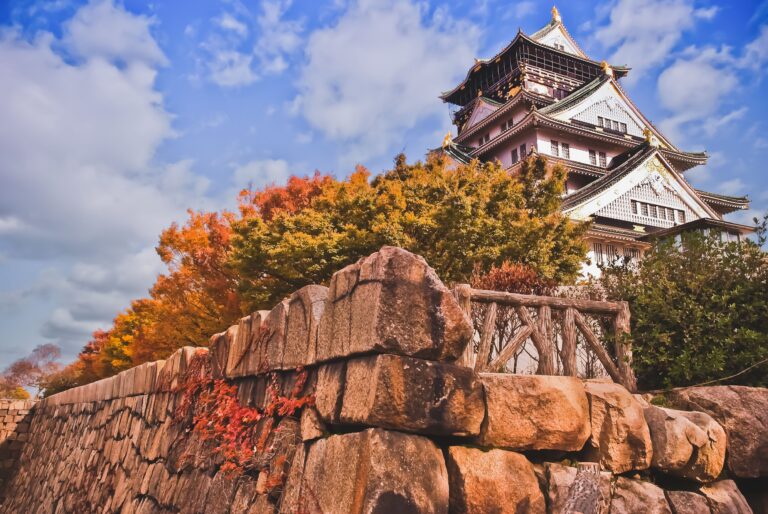
Cities in Japan
About NomadRoute
NomadRoute helps travelers discover destinations, compare flight options, and find competitive fares from trusted airlines and travel providers worldwide. We do not sell airline tickets directly. Instead, we connect travelers with leading booking partners.
Discover More Destinations
Find low fares from trusted travel providers.
Compare options and book directly with partners.
Explore destinations and routes worldwide.