
Travel Guide to Meiji Shrine
Nestled within a lush forest in the heart of Tokyo, Meiji Shrine is a Shinto shrine dedicated to Emperor Meiji and Empress Shoken. This tranquil oasis provides visitors with a chance to escape the city's hustle and bustle, surrounded by towering trees and the soothing sounds of nature. The shrine's architecture beautifully showcases traditional Japanese styles, highlighted by a grand torii gate that welcomes guests into its sacred grounds.
Visitors can expect a serene atmosphere, especially during early mornings or on weekdays when crowds are smaller. The shrine serves not only as a place of worship but also as a cultural landmark, frequently hosting traditional ceremonies and festivals throughout the year. Adjacent to the shrine, Yoyogi Park offers an excellent opportunity for leisurely strolls or picnics, making it a perfect spot for relaxation after visiting the shrine.
Continue reading the travel guide
Travel Guide to Meiji Shrine
For practical planning, the shrine is easily accessible via public transport, with Harajuku Station on the JR Yamanote Line being the nearest station. Entry to the shrine is free, although donations are appreciated. Visitors are encouraged to observe local customs, such as bowing at the torii gate and washing hands at the purification fountain before entering the main shrine area.
Why Visit?
Meiji Shrine is a must-visit for its unique blend of history, culture, and tranquility. The shrine offers a peaceful escape from the urban environment, allowing visitors to immerse themselves in Japan's spiritual heritage while enjoying the natural beauty of the surrounding forest. Its significance as a tribute to Emperor Meiji, who modernized Japan, adds a layer of historical importance to the experience.
Best Time to Visit
The best time to visit Meiji Shrine is during the early morning or late afternoon to avoid crowds. Spring (March to May) is particularly beautiful when cherry blossoms bloom, while autumn (September to November) offers stunning fall foliage. Major festivals, such as the New Year's celebrations, attract large crowds but provide a unique cultural experience.
Ready to go? Plan your Meiji Shrine trip → Good to know →
Plan your trip to Meiji Shrine
Flights, accommodation and ways to get around — plan the details that matter to you.
Find flights to Meiji Shrine
Nearest recommended airport search point: HND.
See recent flight offersFrom HND €96
Recent flight offers
Compare available fares and routes for Meiji Shrine.
Flights from Meiji Shrine Departures · HND
Cheap Flights from HND (HND)
Compare the latest low fares from HND to popular destinations. Prices are updated regularly and may change based on travel dates and availability.
Stay & getting around
Choose a neighbourhood, then decide how you will get from the airport and around the city.
Where to stay Neighbourhoods and accommodation
Where to Stay in Meiji Shrine
For convenient access to Meiji Shrine, consider staying in the Harajuku or Shibuya districts. These areas offer a range of accommodation options, from budget hostels to luxury hotels, and are well-connected to public transport, making it easy to explore other parts of Tokyo.
Getting around Airport transfers and local transport

Getting Around Meiji Shrine
Meiji Shrine is easily accessible via public transportation. The nearest station is Harajuku Station on the JR Yamanote Line, which is just a short walk from the shrine. Once at the shrine, visitors can explore the grounds on foot, enjoying the peaceful pathways and natural surroundings. For those wishing to explore further, Tokyo's efficient subway system provides easy access to other attractions in the city.
Travel essentials
 Stay connected
 Flight delayed or cancelled?
Popular Activities in Meiji Shrine
Good to know about Meiji Shrine
Map & DirectionsChoose a map
Open Meiji Shrine in your preferred map app.




Country factsCapital, language and useful details
Quick Facts
Country
Location
Practical Information
Climate
Japan has a varied climate, with four distinct seasons. The northern regions experience cold winters, while southern areas enjoy a subtropical climate. Spring and autumn are particularly pleasant for travelers.
Money
The local currency is JPY - Yen (¥). Cards are widely accepted in urban areas, but carrying cash is advisable for small purchases, local transport, and in rural areas.
Internet & SIM
Japan offers good mobile coverage, with SIM and eSIM options available from local and international providers. Wi-Fi is commonly accessible in urban areas and public places.
Electricity
Voltage: 100 V
Frequency: 50 / 60 Hz
Safety
Emergency
110 / 119
Explore more in Japan
Places to Visit in Japan
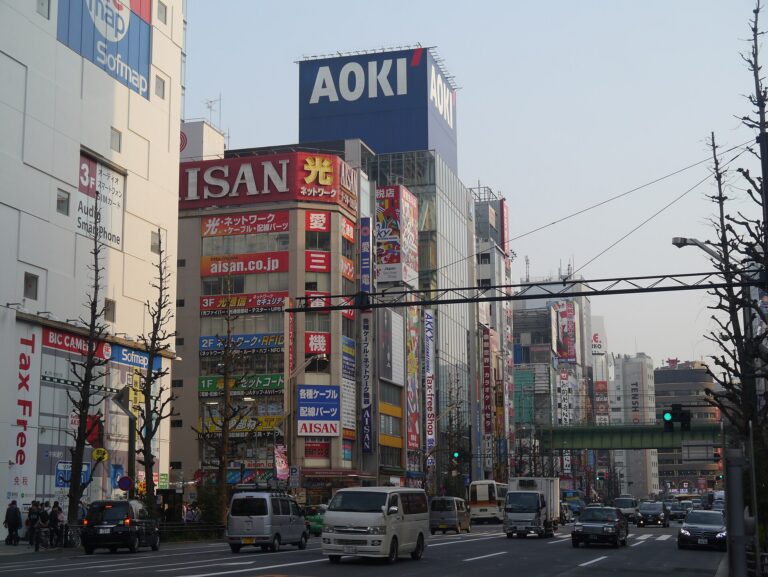
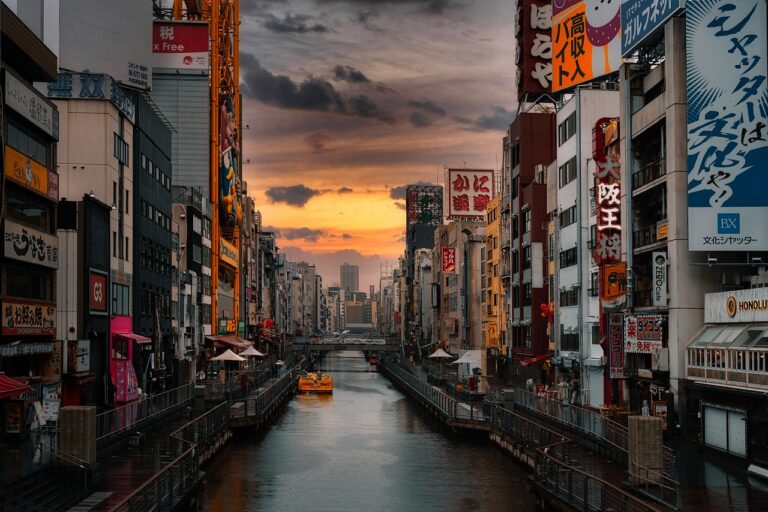
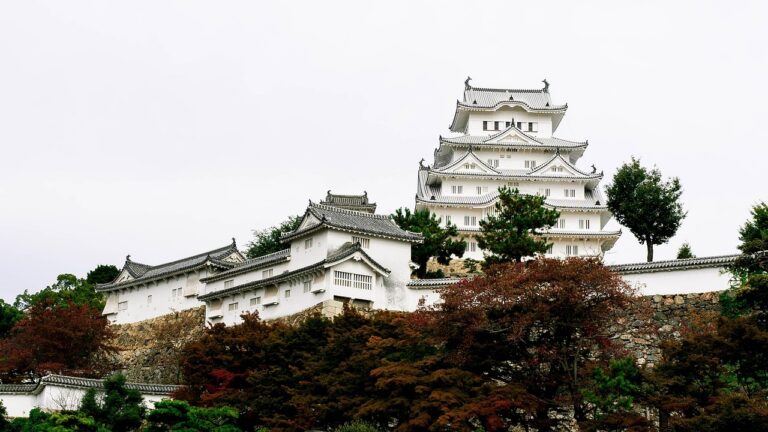
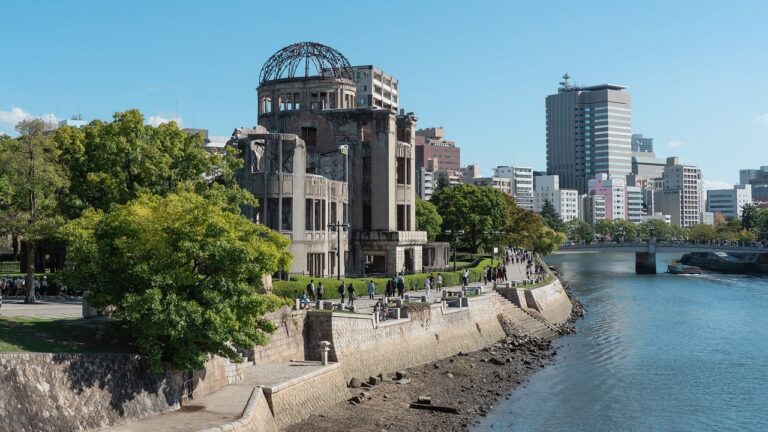


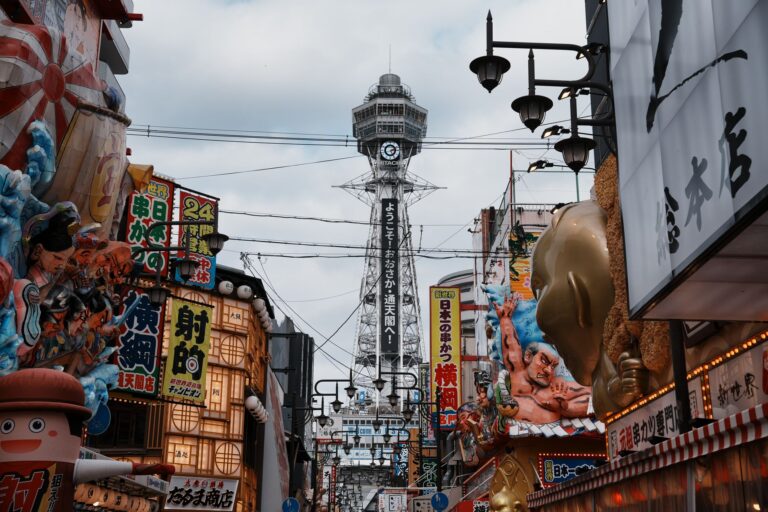

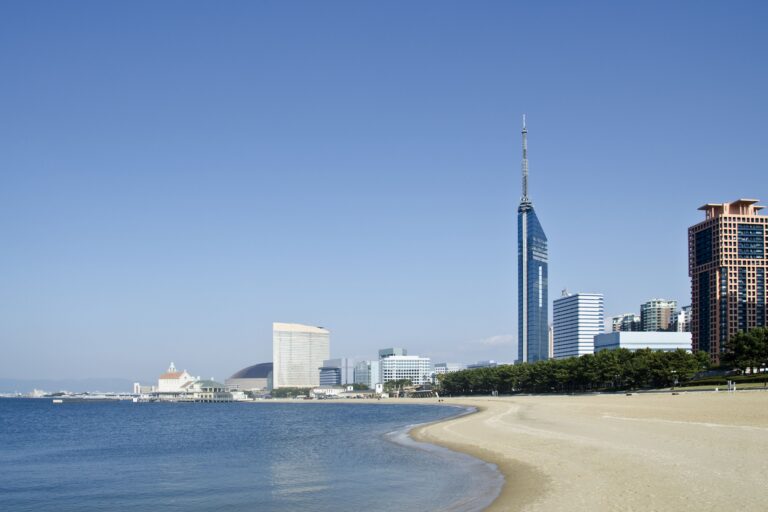
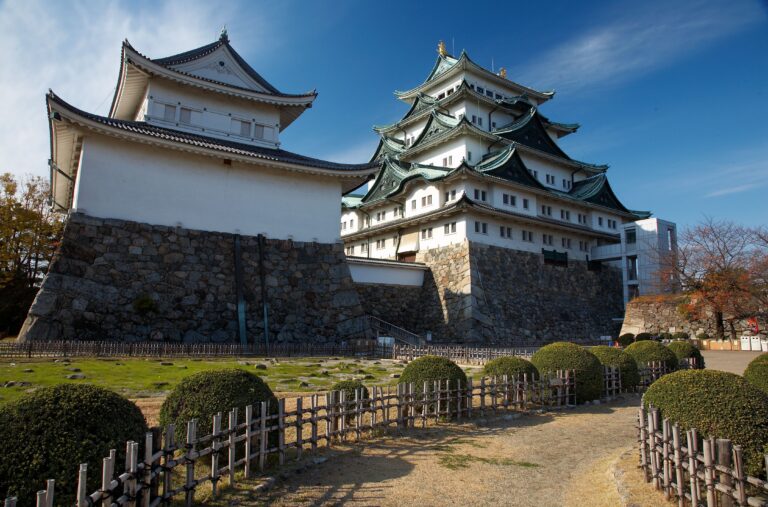
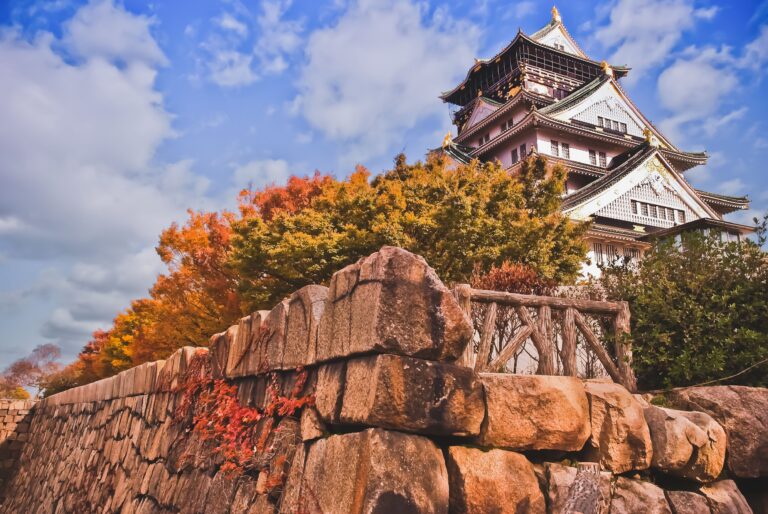
Cities in Japan
About NomadRoute
NomadRoute helps travelers discover destinations, compare flight options, and find competitive fares from trusted airlines and travel providers worldwide. We do not sell airline tickets directly. Instead, we connect travelers with leading booking partners.
Discover More Destinations
Find low fares from trusted travel providers.
Compare options and book directly with partners.
Explore destinations and routes worldwide.