
Travel Guide to Jebel Barkal
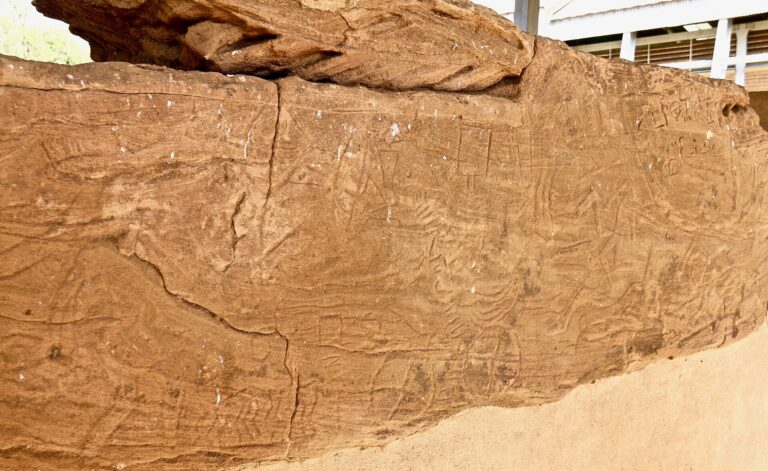
Jebel Barkal, located in northern Sudan, is a UNESCO World Heritage site that boasts a wealth of archaeological significance. This historic site is dominated by the striking Jebel Barkal mountain, which was revered by the ancient Nubians as a sacred peak. The area is home to numerous temples and pyramids, including the Temple of Amun, which showcases intricate carvings and inscriptions that provide insight into the religious practices of the ancient Kushite civilization.
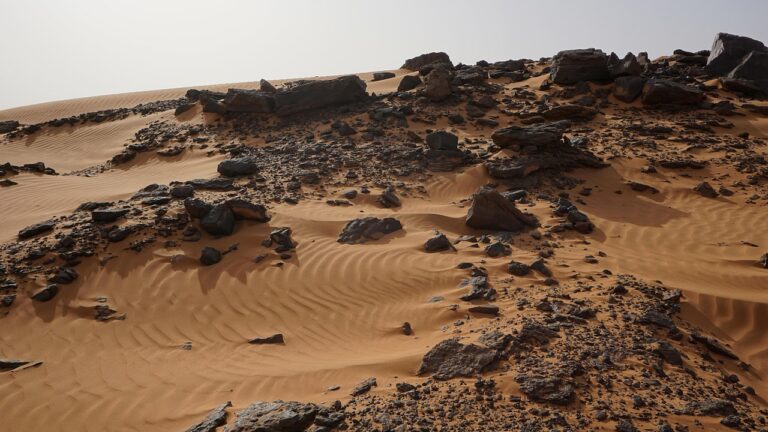
Visitors to Jebel Barkal can explore the well-preserved ruins and learn about the fascinating history of the Kingdom of Kush, which thrived between 1070 BC and 350 AD. The site offers a unique opportunity to witness the blend of Egyptian and Nubian architectural styles, making it a must-visit for history enthusiasts and travelers seeking to delve into the ancient past. The surrounding landscape, characterized by desert vistas and the Nile River, adds to the allure of this remarkable destination.
Continue reading the travel guide
Travel Guide to Jebel Barkal
When planning a visit, it's important to consider the best times to explore the site, as the harsh desert climate can be challenging during the peak summer months. The area is relatively remote, so travelers should prepare for limited amenities and plan their logistics accordingly. Jebel Barkal is not just a historical site; it is a journey into the heart of ancient civilization, offering a profound connection to the past.
Why Visit?
Jebel Barkal is a treasure trove of ancient history, featuring remarkable pyramids and temples that highlight the cultural significance of the Kingdom of Kush. Its stunning landscapes and archaeological wonders make it an unforgettable destination for those interested in history and archaeology.
Best Time to Visit
The best time to visit Jebel Barkal is during the cooler months from October to March, when temperatures are more manageable for exploring the site. Early mornings or late afternoons are ideal for avoiding the midday heat and enjoying the stunning desert scenery.
Ready to go? Plan your Jebel Barkal trip → Good to know →
Plan your trip to Jebel Barkal
Flights, accommodation and ways to get around — plan the details that matter to you.
Find flights to Jebel Barkal
Nearest recommended airport search point: KRT.
See recent flight offersTo Khartoum €689From Khartoum €697
Recent flight offers
Compare available fares and routes for Jebel Barkal.
Flights to Khartoum Arrivals · KRT
Cheap Flights to Khartoum for Jebel Barkal (KRT)
Compare recent fares to Khartoum, the suggested airport search point for visiting Jebel Barkal. Choose a listed deal or use the search box above to check prices from your airport.
Flights from Jebel Barkal Departures · KRT
Cheap Flights from Khartoum (KRT)
Compare the latest low fares from Khartoum to popular destinations. Prices are updated regularly and may change based on travel dates and availability.
Stay & getting around
Choose a neighbourhood, then decide how you will get from the airport and around the city.
Where to stay Neighbourhoods and accommodation
Where to Stay in Jebel Barkal
While there are limited accommodation options near Jebel Barkal, the nearby city of Karima offers some hotels and guesthouses that serve as a practical base for exploring the site. Staying in Karima allows easy access to Jebel Barkal and other nearby attractions.
Getting around Airport transfers and local transport

Getting Around Jebel Barkal
To reach Jebel Barkal, travelers typically fly into Khartoum International Airport (KRT) and then take a domestic flight or drive to Karima. Once at Jebel Barkal, exploring the site is best done on foot, as many of the attractions are within walking distance of each other. Local guides can also enhance the experience by providing insights into the history and significance of the site.
Travel essentials
 Stay connected
 Flight delayed or cancelled?
Popular Activities in Jebel Barkal
Good to know about Jebel Barkal
Country factsCapital, language and useful details
Quick Facts
Country
Location
Practical Information
Climate
Sudan has a predominantly arid climate, characterized by hot summers and mild winters. The northern regions experience extreme heat, while the south is more temperate. Rainfall is limited, mainly occurring between June and September.
Money
The local currency is the Sudanese Pound (SDG). Cards are accepted in many places, but carrying some cash can be useful for small purchases, local transport, and rural areas.
Internet & SIM
Mobile coverage is generally good in urban areas, with several providers offering SIM cards and eSIM options for tourists. Wi-Fi is available in many hotels and cafes, but connectivity may vary in rural regions.
Electricity
Voltage: 220 / 230 V
Frequency: 50 Hz
Safety
Emergency
112 / 999
Explore more in Sudan
Places to Visit in Sudan
Cities in Sudan
About NomadRoute
NomadRoute helps travelers discover destinations, compare flight options, and find competitive fares from trusted airlines and travel providers worldwide. We do not sell airline tickets directly. Instead, we connect travelers with leading booking partners.
Discover More Destinations
Find low fares from trusted travel providers.
Compare options and book directly with partners.
Explore destinations and routes worldwide.