
Travel Guide to Tokyo Skytree
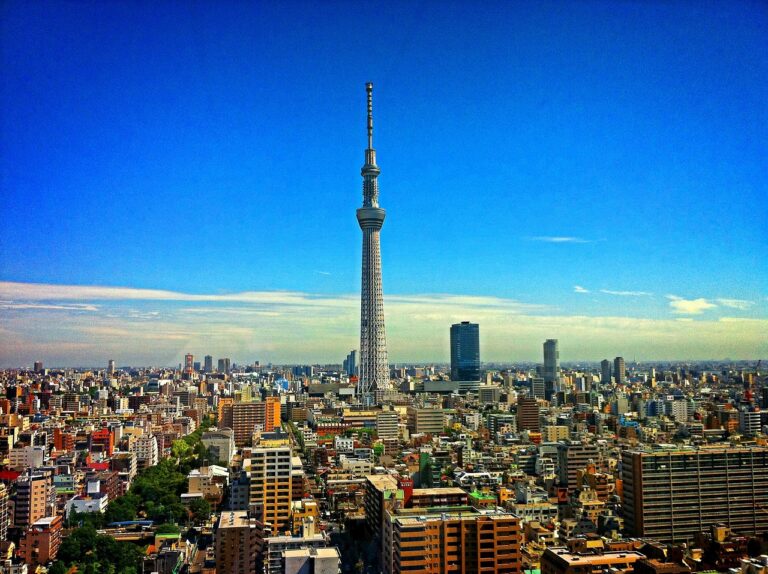
Standing at an impressive height of 634 meters, Tokyo Skytree is the tallest structure in Japan and the second tallest in the world. This iconic landmark, completed in 2012, serves as a broadcasting tower and a major tourist attraction, drawing millions of visitors each year. The Skytree's design is inspired by traditional Japanese architecture, resembling a five-story pagoda, which adds to its cultural significance.
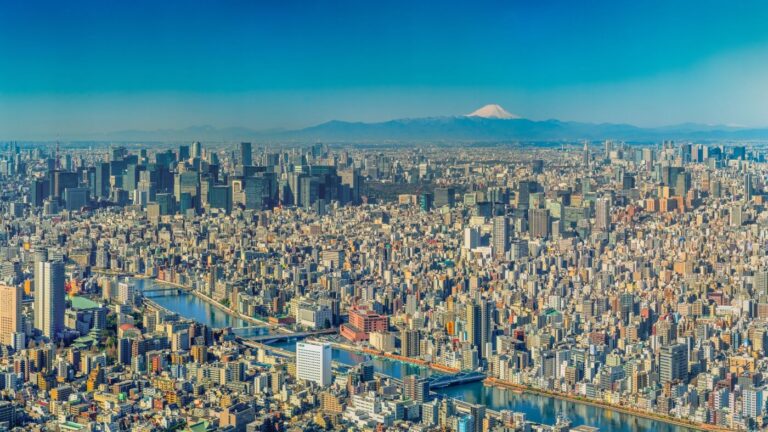
Visitors to Tokyo Skytree can enjoy panoramic views of the sprawling metropolis from its observation decks, located at 350 meters and 450 meters above ground. On clear days, you can even see Mount Fuji in the distance. The experience is enhanced by the tower's modern amenities, including high-speed elevators, interactive displays, and cafes where you can relax while taking in the scenery.
Continue reading the travel guide
Travel Guide to Tokyo Skytree
The surrounding area, known as Tokyo Skytree Town, features shopping, dining, and entertainment options, making it a perfect destination for a full day of exploration. From the Sumida Aquarium to the Tokyo Solamachi shopping complex, there’s something for everyone. The tower is easily accessible via the Tobu Skytree Line or the Tokyo Metro, ensuring a convenient visit for travelers.
Why Visit?
Tokyo Skytree offers an unparalleled opportunity to experience breathtaking views of Tokyo and beyond, making it a must-visit for anyone traveling to the city. The combination of its architectural beauty, cultural significance, and the vibrant atmosphere of the surrounding area creates a unique experience that captures the essence of modern Japan.
Best Time to Visit
The best time to visit Tokyo Skytree is during the spring (March to May) and autumn (September to November) when the weather is mild and clear, providing optimal visibility. Early mornings or late afternoons are ideal for fewer crowds and stunning sunset views.
Ready to go? Plan your Tokyo Skytree trip → Good to know →
Plan your trip to Tokyo Skytree
Flights, accommodation and ways to get around — plan the details that matter to you.
Find flights to Tokyo Skytree
Nearest recommended airport search point: HND.
See recent flight offersFrom HND €96
Recent flight offers
Compare available fares and routes for Tokyo Skytree.
Flights from Tokyo Skytree Departures · HND
Cheap Flights from HND (HND)
Compare the latest low fares from HND to popular destinations. Prices are updated regularly and may change based on travel dates and availability.
Stay & getting around
Choose a neighbourhood, then decide how you will get from the airport and around the city.
Where to stay Neighbourhoods and accommodation
Where to Stay in Tokyo Skytree
For convenient access to Tokyo Skytree, consider staying in the Asakusa or Sumida areas. These neighborhoods offer a range of accommodations from budget hostels to luxury hotels, all within a short distance of the tower.
Getting around Airport transfers and local transport

Getting Around Tokyo Skytree
Tokyo Skytree is easily accessible via public transportation. The nearest station is Tokyo Skytree Station on the Tobu Skytree Line, which connects to major lines like the Tokyo Metro. Once at the tower, visitors can navigate the area on foot, with clear signage directing them to various attractions.
Travel essentials
 Stay connected
 Flight delayed or cancelled?
Popular Activities in Tokyo Skytree
Good to know about Tokyo Skytree
Map & DirectionsChoose a map
Open Tokyo Skytree in your preferred map app.




Country factsCapital, language and useful details
Quick Facts
Country
Location
Practical Information
Climate
Japan has a varied climate, with four distinct seasons. The northern regions experience cold winters, while southern areas enjoy a subtropical climate. Spring and autumn are particularly pleasant for travelers.
Money
The local currency is JPY - Yen (¥). Cards are widely accepted in urban areas, but carrying cash is advisable for small purchases, local transport, and in rural areas.
Internet & SIM
Japan offers good mobile coverage, with SIM and eSIM options available from local and international providers. Wi-Fi is commonly accessible in urban areas and public places.
Electricity
Voltage: 100 V
Frequency: 50 / 60 Hz
Safety
Emergency
110 / 119
Explore more in Japan
Places to Visit in Japan

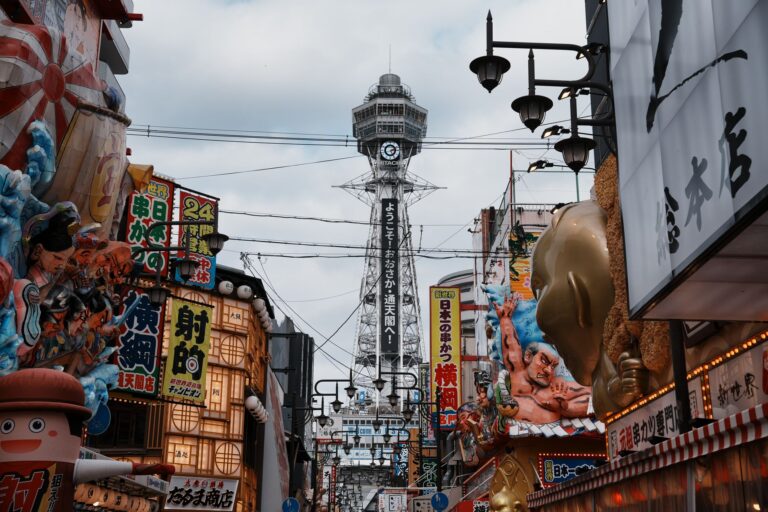
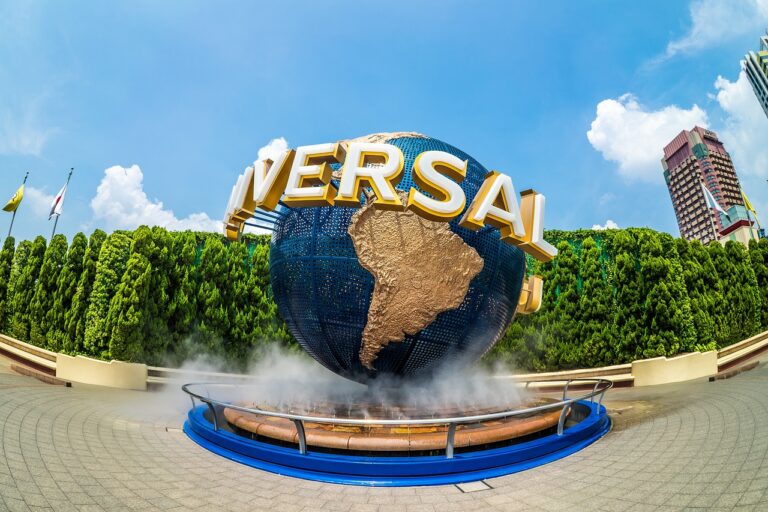
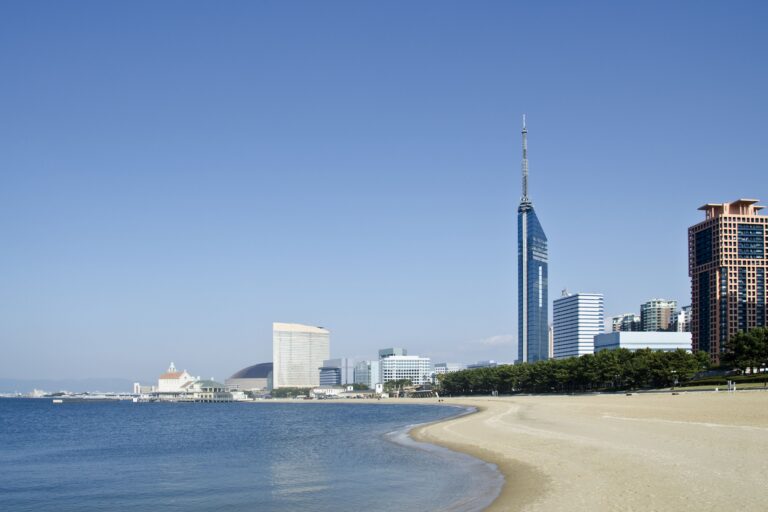
Cities in Japan
About NomadRoute
NomadRoute helps travelers discover destinations, compare flight options, and find competitive fares from trusted airlines and travel providers worldwide. We do not sell airline tickets directly. Instead, we connect travelers with leading booking partners.
Discover More Destinations
Find low fares from trusted travel providers.
Compare options and book directly with partners.
Explore destinations and routes worldwide.