
Travel Guide to Tijuca National Park
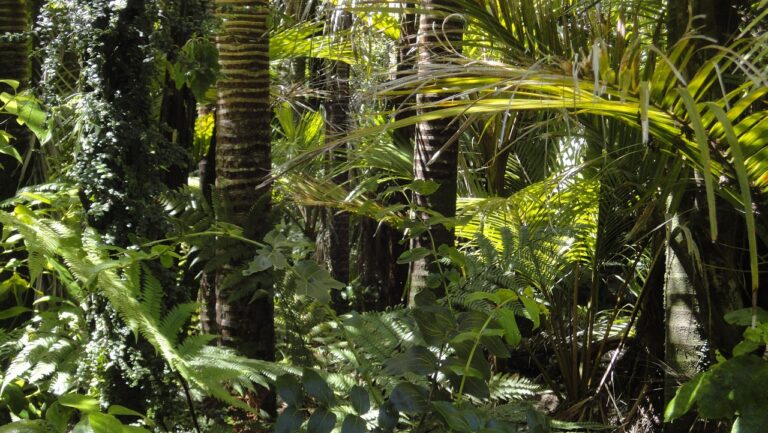
Tijuca National Park, one of the largest urban rainforests in the world, is a breathtaking natural oasis nestled within the vibrant city of Rio de Janeiro, Brazil. Spanning over 3,900 acres, this national park is a remarkable blend of lush greenery, cascading waterfalls, and panoramic viewpoints that provide stunning vistas of the city and surrounding mountains. The park is home to an impressive variety of flora and fauna, including over 1,000 species of plants and numerous bird species, making it a paradise for nature lovers and outdoor enthusiasts.
Visitors to Tijuca National Park can explore its extensive network of hiking trails, ranging from easy walks to more challenging treks. One of the most popular trails leads to the iconic Pico da Tijuca, the highest peak in the park, where hikers are rewarded with breathtaking views of the city below. Along the way, you'll encounter beautiful waterfalls, such as the Cascatinha Taunay, and unique rock formations that add to the park's enchanting atmosphere.
Continue reading the travel guide
Travel Guide to Tijuca National Park
The park also holds historical significance, as it was created in the 19th century to help restore the deforested land around Rio de Janeiro. Today, it serves as a vital green space for both locals and tourists, providing a serene escape from the bustling city life. Whether you're looking to hike, picnic, or simply immerse yourself in nature, Tijuca National Park is a must-visit destination in Rio de Janeiro.
Why Visit?
Visiting Tijuca National Park offers a unique opportunity to experience a stunning urban rainforest, rich biodiversity, and breathtaking views, all within the vibrant city of Rio de Janeiro. It's the perfect escape for nature lovers and adventure seekers alike.
Best Time to Visit
The best time to visit Tijuca National Park is during the dry season, from May to September, when the weather is cooler and less humid. Early mornings or late afternoons are ideal for hiking to avoid the midday heat.
Ready to go? Plan your Tijuca National Park trip → Good to know →
Plan your trip to Tijuca National Park
Flights, accommodation and ways to get around — plan the details that matter to you.
Find flights to Tijuca National Park
Nearest recommended airport search point: GIG.
See recent flight offersFrom GIG €71
Recent flight offers
Compare available fares and routes for Tijuca National Park.
Flights from Tijuca National Park Departures · GIG
Cheap Flights from GIG (GIG)
Compare the latest low fares from GIG to popular destinations. Prices are updated regularly and may change based on travel dates and availability.
Stay & getting around
Choose a neighbourhood, then decide how you will get from the airport and around the city.
Where to stay Neighbourhoods and accommodation
Where to Stay in Tijuca National Park
The most practical place to stay when visiting Tijuca National Park is in the neighborhoods of Santa Teresa or Botafogo, which offer easy access to the park and a variety of accommodation options.
Getting around Airport transfers and local transport

Getting Around Tijuca National Park
To reach Tijuca National Park, visitors can take public transportation from central Rio de Janeiro, such as buses or the metro to nearby stations. Once inside the park, walking or hiking is the best way to explore its trails and attractions.
Travel essentials
 Stay connected
 Flight delayed or cancelled?
Popular Activities in Tijuca National Park
Good to know about Tijuca National Park
Map & DirectionsChoose a map
Open Tijuca National Park in your preferred map app.


Country factsCapital, language and useful details
Quick Facts
Country
Location
Practical Information
Climate
Brazil experiences a variety of climate zones due to its vast size. The tropical north is warm and humid year-round, while the south has cooler seasons with more temperature variation. Rainfall varies significantly, particularly in the Amazon, which receives some of the highest precipitation in the world.
Money
The local currency is BRL - Brazilian Real (R$). Cards are widely accepted in urban areas, but it's advisable to carry some cash for small purchases, local transport, and in rural areas where card facilities may be limited.
Internet & SIM
Brazil has good mobile coverage in urban areas, with various options for purchasing SIM cards and eSIMs available. Wi-Fi is commonly found in hotels, cafes, and public spaces, making it easy to stay connected while traveling.
Electricity
Voltage: 127 / 220 V
Frequency: 60 Hz
Safety
Emergency
190 / 192 / 193
Explore more in Brazil
Places to Visit in Brazil












Cities in Brazil





About NomadRoute
NomadRoute helps travelers discover destinations, compare flight options, and find competitive fares from trusted airlines and travel providers worldwide. We do not sell airline tickets directly. Instead, we connect travelers with leading booking partners.
Discover More Destinations
Find low fares from trusted travel providers.
Compare options and book directly with partners.
Explore destinations and routes worldwide.
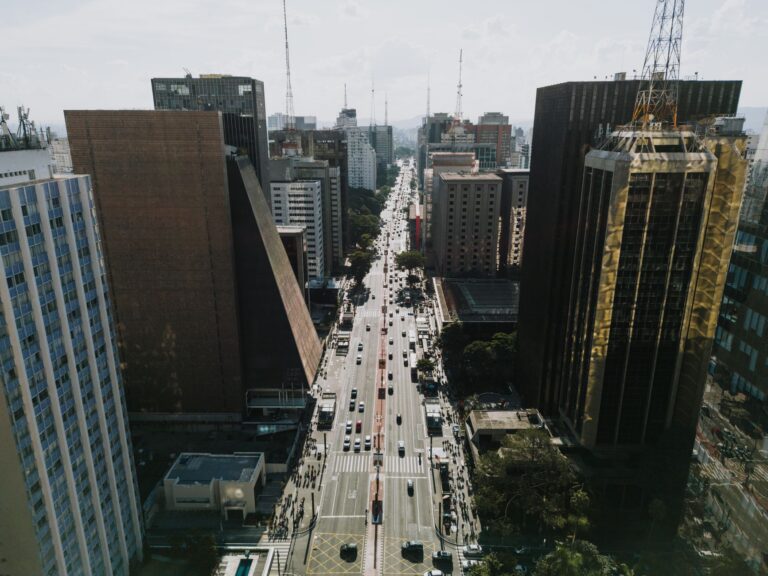
Photo · Filipe Braggio · Pexels