
Travel Guide to Pantanal
The Pantanal, located in Brazil, is the world's largest tropical wetland and a UNESCO World Heritage site. Spanning over 150,000 square kilometers, this unique ecosystem is home to an incredible array of wildlife, including jaguars, capybaras, caimans, and hundreds of bird species. Visitors to the Pantanal can expect to experience breathtaking landscapes, from sprawling wetlands to lush forests, all teeming with life.
The best way to explore the Pantanal is through guided tours that offer opportunities for wildlife spotting, photography, and immersing oneself in the natural beauty of the area. The region's diverse habitats provide a perfect backdrop for activities such as birdwatching, fishing, and horseback riding. As the seasons change, so does the scenery, with the wet season (November to March) bringing vibrant greenery and abundant wildlife, while the dry season (April to October) offers easier access to remote areas and enhanced visibility for animal watching.
Continue reading the travel guide
Travel Guide to Pantanal
Practical considerations for visiting the Pantanal include planning your trip around the best times for wildlife viewing and ensuring you have appropriate gear for outdoor activities. The nearest airport is in Cuiabá (CGB), which serves as a gateway to the Pantanal, with various transportation options available to reach different parts of the reserve.
Why Visit?
The Pantanal is a must-visit for anyone passionate about nature and wildlife. Its unparalleled biodiversity offers a unique chance to see animals in their natural habitat, making it a photographer's paradise and a haven for eco-tourists.
Best Time to Visit
The best time to visit the Pantanal is during the dry season from May to September when wildlife is more easily spotted as animals congregate around water sources. The wet season, from November to March, is also beautiful, with lush landscapes and vibrant flora, but access can be more challenging due to flooding.
Ready to go? Plan your Pantanal trip → Good to know →
Plan your trip to Pantanal
Flights, accommodation and ways to get around — plan the details that matter to you.
Find flights to Pantanal
Nearest recommended airport search point: CGB.
See recent flight offersTo Cuiaba €91From Cuiaba €127
Recent flight offers
Compare available fares and routes for Pantanal.
Flights to Cuiaba Arrivals · CGB
Cheap Flights to Cuiaba for Pantanal (CGB)
Compare recent fares to Cuiaba, the suggested airport search point for visiting Pantanal. Choose a listed deal or use the search box above to check prices from your airport.
Flights from Pantanal Departures · CGB
Cheap Flights from Cuiaba (CGB)
Compare the latest low fares from Cuiaba to popular destinations. Prices are updated regularly and may change based on travel dates and availability.
Stay & getting around
Choose a neighbourhood, then decide how you will get from the airport and around the city.
Where to stay Neighbourhoods and accommodation
Where to Stay in Pantanal
Accommodation options in the Pantanal range from eco-lodges to traditional pousadas. Staying in or near the town of Poconé provides convenient access to various parts of the reserve and guided tours.
Getting around Airport transfers and local transport

Getting Around Pantanal
Travelers can reach the Pantanal via Cuiabá, the nearest major city, which has an airport with domestic flights. From Cuiabá, visitors can take buses or arrange for guided tours that include transportation within the Pantanal. Once in the reserve, getting around is typically done via 4x4 vehicles, boats, or on horseback, depending on the terrain and the activities planned.
Travel essentials
 Stay connected
 Flight delayed or cancelled?
Popular Activities in Pantanal
Good to know about Pantanal
Map & DirectionsChoose a map
Open Pantanal in your preferred map app.




Country factsCapital, language and useful details
Quick Facts
Country
Location
Practical Information
Climate
Brazil experiences a variety of climate zones due to its vast size. The tropical north is warm and humid year-round, while the south has cooler seasons with more temperature variation. Rainfall varies significantly, particularly in the Amazon, which receives some of the highest precipitation in the world.
Money
The local currency is BRL - Brazilian Real (R$). Cards are widely accepted in urban areas, but it's advisable to carry some cash for small purchases, local transport, and in rural areas where card facilities may be limited.
Internet & SIM
Brazil has good mobile coverage in urban areas, with various options for purchasing SIM cards and eSIMs available. Wi-Fi is commonly found in hotels, cafes, and public spaces, making it easy to stay connected while traveling.
Electricity
Voltage: 127 / 220 V
Frequency: 60 Hz
Safety
Emergency
190 / 192 / 193
Explore more in Brazil
Places to Visit in Brazil



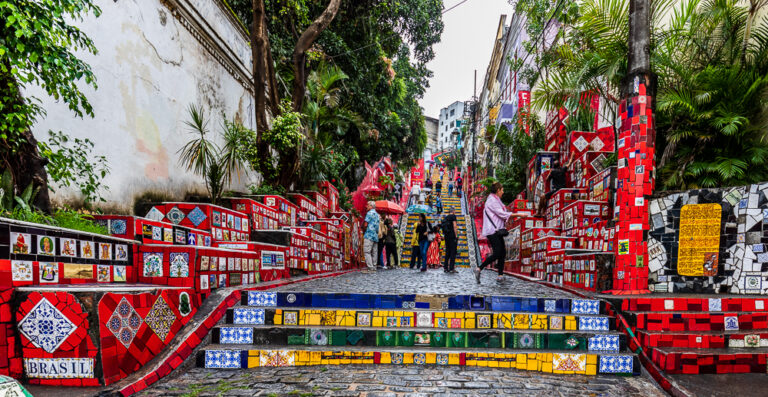
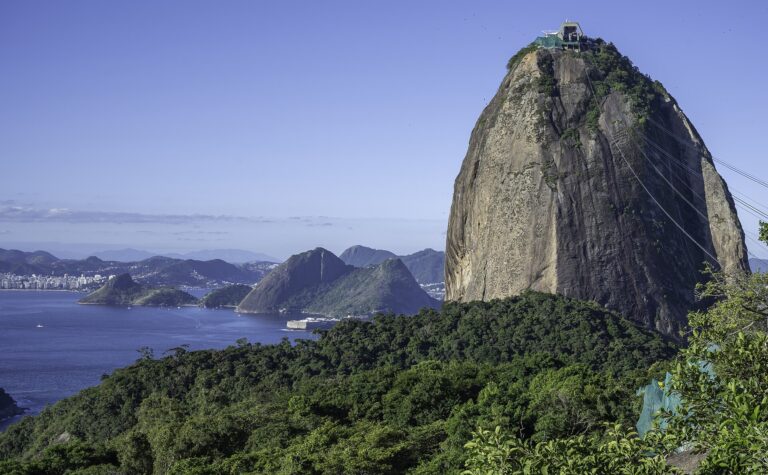
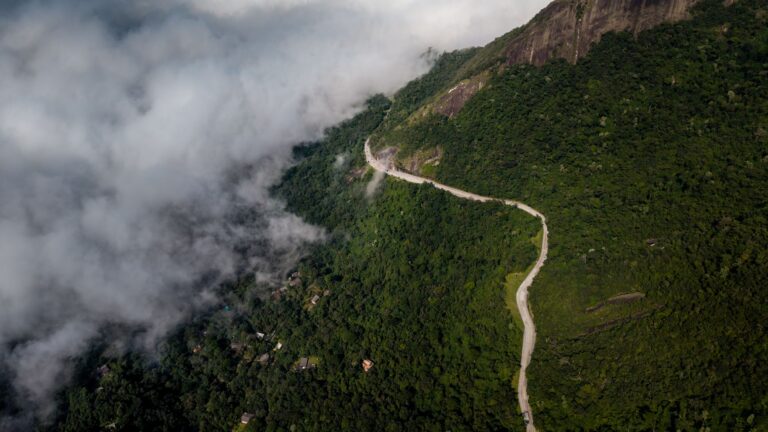
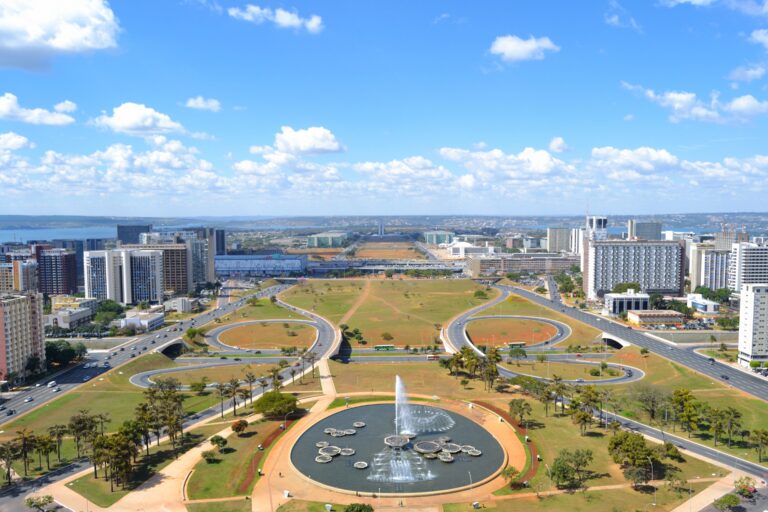
Cities in Brazil


About NomadRoute
NomadRoute helps travelers discover destinations, compare flight options, and find competitive fares from trusted airlines and travel providers worldwide. We do not sell airline tickets directly. Instead, we connect travelers with leading booking partners.
Discover More Destinations
Find low fares from trusted travel providers.
Compare options and book directly with partners.
Explore destinations and routes worldwide.