
Travel Guide to Museum of Tomorrow
Located in the vibrant city of Rio de Janeiro, the Museum of Tomorrow (Museu do Amanhã) is an architectural marvel designed by Santiago Calatrava. This science museum focuses on the future of our planet and humanity, offering interactive exhibits that engage visitors in discussions about sustainability, technology, and the environment. The museum's striking design, resembling a giant white flower, is set against the backdrop of Guanabara Bay, making it a perfect spot for both learning and photography.
Inside, visitors can explore various themed areas that delve into topics such as climate change, biodiversity, and the impact of technology on our lives. The museum encourages a hands-on experience, allowing guests to interact with exhibits and participate in workshops. The rooftop terrace provides stunning views of the city and the bay, making it a great place to relax after exploring the exhibits.
Continue reading the travel guide
Travel Guide to Museum of Tomorrow
The Museum of Tomorrow is not just about exhibits; it also hosts lectures, workshops, and cultural events, making it a dynamic part of Rio's cultural scene. Its location in the revitalized Porto Maravilha area means that visitors can easily combine their trip with a stroll along the waterfront or a visit to other nearby attractions, such as the AquaRio marine aquarium and the historic Candelária Church.
Why Visit?
Visiting the Museum of Tomorrow offers a unique opportunity to engage with pressing global issues through innovative exhibits and interactive experiences. Its stunning architecture and prime location by the bay make it a must-see for anyone in Rio de Janeiro, blending education with breathtaking views.
Best Time to Visit
The best time to visit the Museum of Tomorrow is during the cooler months from May to September when the weather is pleasant. Early mornings or late afternoons are ideal for avoiding crowds and enjoying a more relaxed experience.
Ready to go? Plan your Museum of Tomorrow trip → Good to know →
Plan your trip to Museum of Tomorrow
Flights, accommodation and ways to get around — plan the details that matter to you.
Find flights to Museum of Tomorrow
Nearest recommended airport search point: GIG.
See recent flight offersFrom GIG €71
Recent flight offers
Compare available fares and routes for Museum of Tomorrow.
Flights from Museum of Tomorrow Departures · GIG
Cheap Flights from GIG (GIG)
Compare the latest low fares from GIG to popular destinations. Prices are updated regularly and may change based on travel dates and availability.
Stay & getting around
Choose a neighbourhood, then decide how you will get from the airport and around the city.
Where to stay Neighbourhoods and accommodation
Where to Stay in Museum of Tomorrow
For convenient access to the Museum of Tomorrow, consider staying in the downtown area of Rio de Janeiro or the nearby neighborhood of Santa Teresa, which offers a range of accommodation options from budget hostels to boutique hotels.
Getting around Airport transfers and local transport

Getting Around Museum of Tomorrow
The Museum of Tomorrow is easily accessible by public transport, including buses and the metro. The nearest metro station is Cinelândia, and from there, it's a short walk to the museum. Taxis and rideshare services are also widely available in Rio, making it simple to reach the museum from various parts of the city.
Travel essentials
 Stay connected
 Flight delayed or cancelled?
Popular Activities in Museum of Tomorrow
Good to know about Museum of Tomorrow
Map & DirectionsChoose a map
Open Museum of Tomorrow in your preferred map app.



Country factsCapital, language and useful details
Quick Facts
Country
Location
Practical Information
Climate
Brazil experiences a variety of climate zones due to its vast size. The tropical north is warm and humid year-round, while the south has cooler seasons with more temperature variation. Rainfall varies significantly, particularly in the Amazon, which receives some of the highest precipitation in the world.
Money
The local currency is BRL - Brazilian Real (R$). Cards are widely accepted in urban areas, but it's advisable to carry some cash for small purchases, local transport, and in rural areas where card facilities may be limited.
Internet & SIM
Brazil has good mobile coverage in urban areas, with various options for purchasing SIM cards and eSIMs available. Wi-Fi is commonly found in hotels, cafes, and public spaces, making it easy to stay connected while traveling.
Electricity
Voltage: 127 / 220 V
Frequency: 60 Hz
Safety
Emergency
190 / 192 / 193
Explore more in Brazil
Places to Visit in Brazil
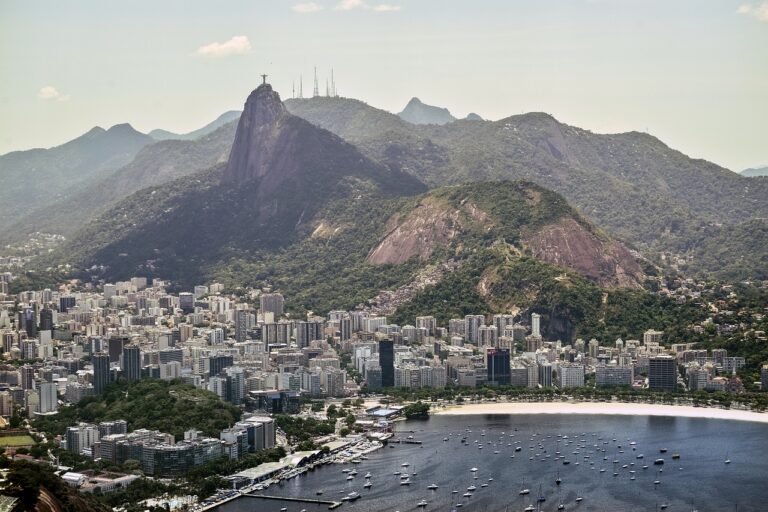


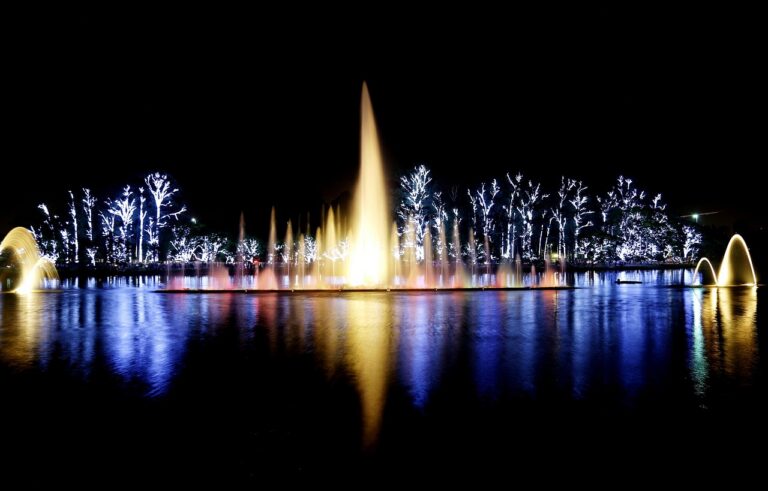
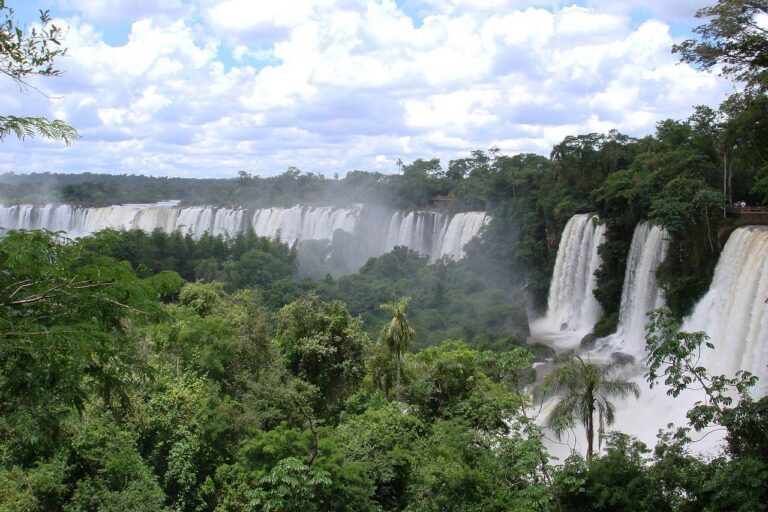


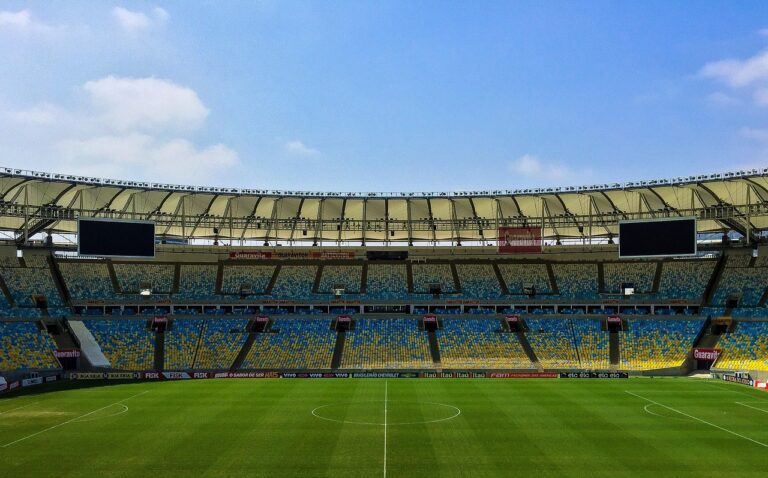


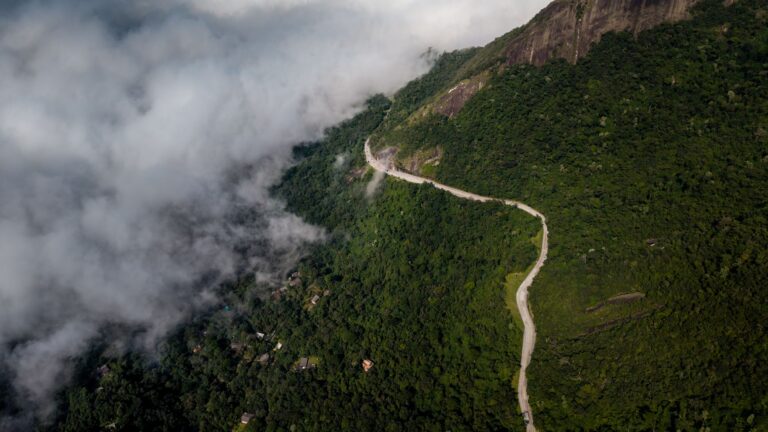
Cities in Brazil
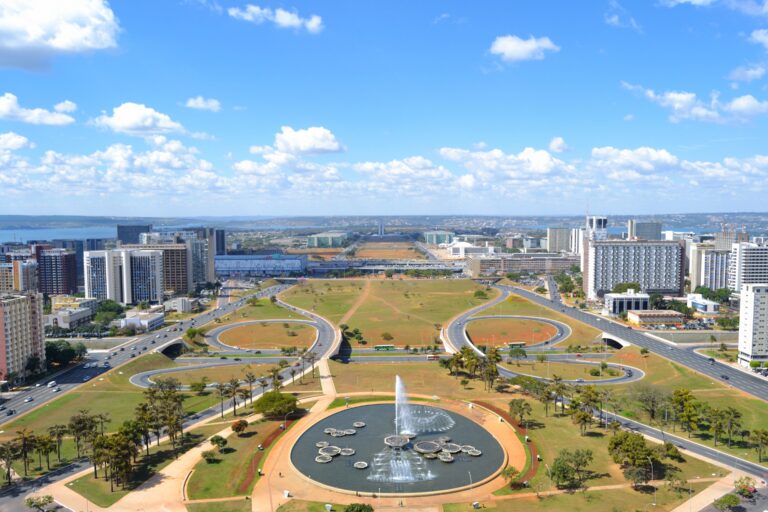
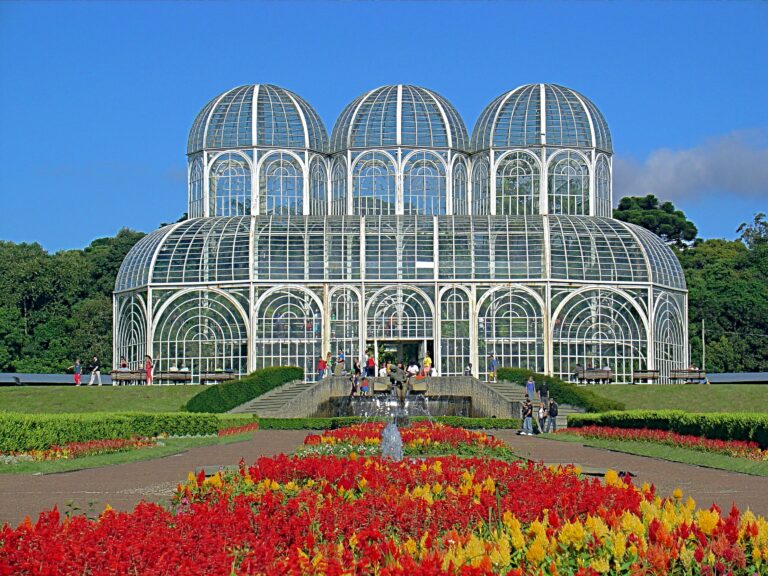

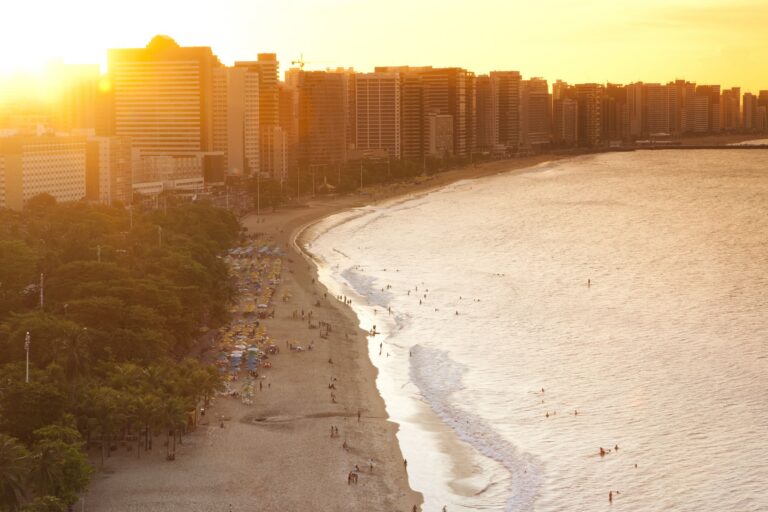

About NomadRoute
NomadRoute helps travelers discover destinations, compare flight options, and find competitive fares from trusted airlines and travel providers worldwide. We do not sell airline tickets directly. Instead, we connect travelers with leading booking partners.
Discover More Destinations
Find low fares from trusted travel providers.
Compare options and book directly with partners.
Explore destinations and routes worldwide.
Photo · Just a Brazilian man from Brazil · Wikimedia Commons · CC BY 2.0