
Travel Guide to Camino de Santiago
The Camino de Santiago, or the Way of St. James, is a network of ancient pilgrimage routes that lead to the shrine of the apostle Saint James in Santiago de Compostela, Spain. This iconic trail has been traveled by pilgrims for centuries, offering a unique blend of spiritual reflection, breathtaking scenery, and cultural experiences. The route traverses diverse landscapes, from lush green hills to rugged mountains, and passes through charming villages and historic towns, each with its own story to tell.
As you walk the Camino, expect to encounter fellow travelers from around the world, sharing their journeys and experiences. The atmosphere is one of camaraderie and mutual support, making it a truly enriching experience. Along the way, you can explore stunning cathedrals, ancient monasteries, and local markets, immersing yourself in the vibrant culture of Spain.
Continue reading the travel guide
Travel Guide to Camino de Santiago
Practical considerations for planning your visit include choosing the right route, as there are several paths leading to Santiago, each varying in length and difficulty. The most popular route, the Camino Francés, starts in the French Pyrenees and stretches approximately 780 kilometers to Santiago. Many pilgrims choose to walk sections of the route, making it accessible for all levels of fitness.
The Camino de Santiago is not just a physical journey; it is also a personal one, offering a chance for introspection and connection with nature and history. Whether you seek spiritual fulfillment, adventure, or simply a break from daily life, the Camino has something to offer everyone.
Why Visit?
Visiting the Camino de Santiago offers a unique opportunity to experience a centuries-old pilgrimage that combines stunning natural beauty, rich history, and a sense of community among travelers. The journey allows for personal reflection and cultural immersion, making it a transformative experience.
Best Time to Visit
The best time to walk the Camino de Santiago is during the spring (April to June) and fall (September to October) when the weather is mild and the trails are less crowded. Summer can be hot, especially in the southern regions, while winter may bring challenging conditions in higher altitudes.
Ready to go? Plan your Camino de Santiago trip → Good to know →
Plan your trip to Camino de Santiago
Flights, accommodation and ways to get around — plan the details that matter to you.
Find flights to Camino de Santiago
Nearest recommended airport search point: MAD.
See recent flight offersTo Madrid €27From Madrid €30
Recent flight offers
Compare available fares and routes for Camino de Santiago.
Flights to Madrid Arrivals · MAD
Cheap Flights to Madrid for Camino de Santiago (MAD)
Compare recent fares to Madrid, the suggested airport search point for visiting Camino de Santiago. Choose a listed deal or use the search box above to check prices from your airport.
Flights from Camino de Santiago Departures · MAD
Cheap Flights from Madrid (MAD)
Compare the latest low fares from Madrid to popular destinations. Prices are updated regularly and may change based on travel dates and availability.
Stay & getting around
Choose a neighbourhood, then decide how you will get from the airport and around the city.
Where to stay Neighbourhoods and accommodation
Where to Stay in Camino de Santiago
While there are various accommodation options along the Camino, many pilgrims choose to stay in albergues, which are budget-friendly hostels specifically for walkers. The city of Santiago de Compostela also offers a range of hotels and guesthouses for those looking to rest after their journey.
Getting around Airport transfers and local transport

Getting Around Camino de Santiago
Most pilgrims start their journey from various points along the Camino, with the most common starting point being Saint-Jean-Pied-de-Port in France. Public transport options, including buses and trains, are available to reach these starting points. Once on the trail, walking is the primary mode of transportation, with many towns and villages providing amenities for pilgrims.
Travel essentials
 Stay connected
 Flight delayed or cancelled?
Popular Activities in Camino de Santiago
Good to know about Camino de Santiago
Country factsCapital, language and useful details
Quick Facts
Country
Location
Practical Information
Climate
Spain has a varied climate, with Mediterranean, oceanic, semi-arid, and alpine conditions depending on the region. Summers can be hot, especially in the interior, while coastal areas enjoy milder temperatures. Winters vary significantly, with colder conditions in the north and milder weather in the south and islands.
Money
The local currency is EUR - Euro (€). Cards are widely accepted in urban areas and tourist destinations, but it's advisable to carry some cash for small purchases, local transport, and rural areas.
Internet & SIM
Mobile coverage is generally good across Spain, with 4G services widely available. SIM cards can be purchased at airports, shops, and kiosks, and eSIM options are also available. Wi-Fi is commonly found in hotels, cafes, and public spaces.
Electricity
Voltage: 230 V
Frequency: 50 Hz
Safety
Emergency
112
Explore more in Spain
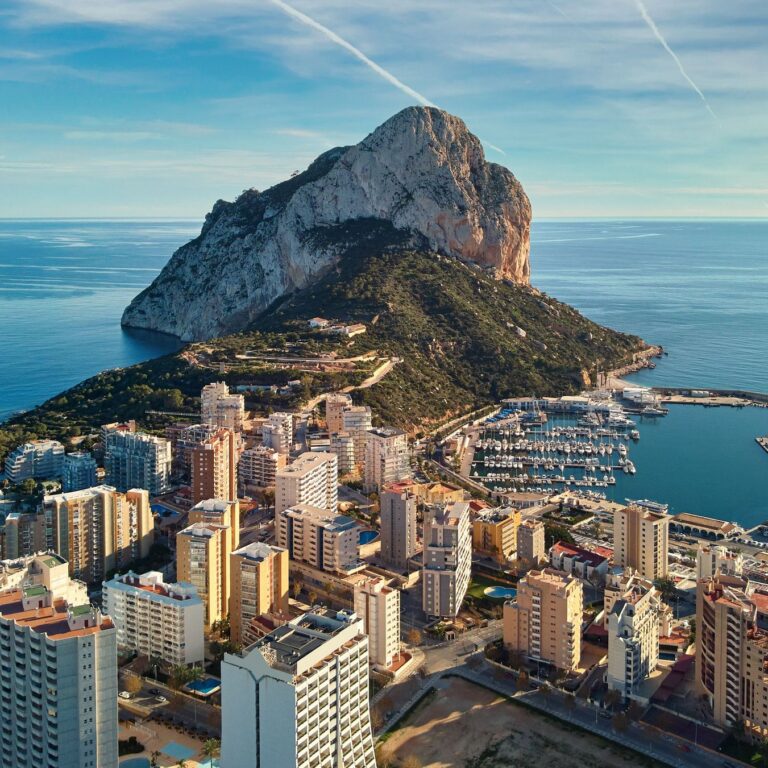
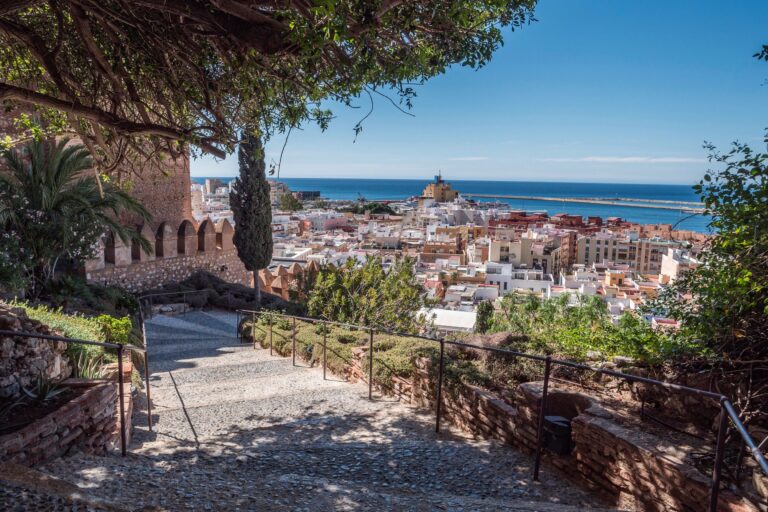
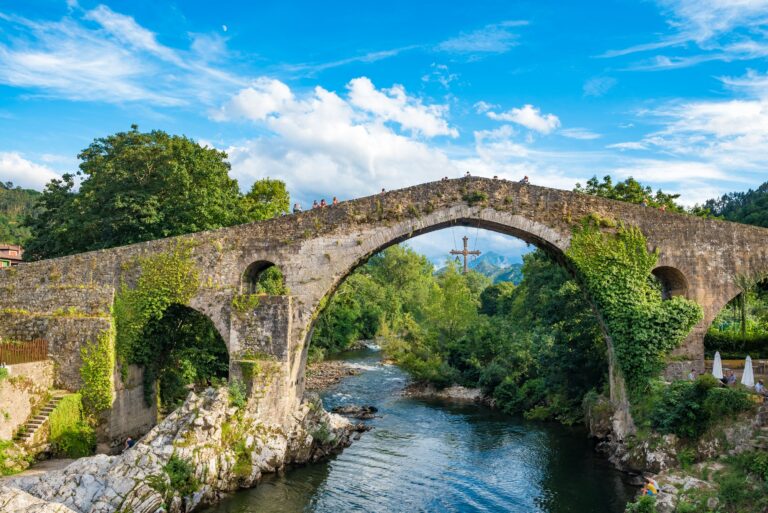
Places to Visit in Spain
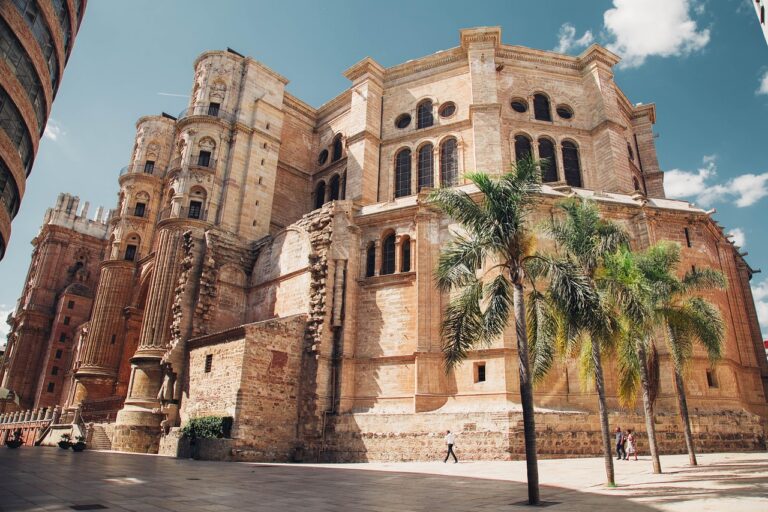
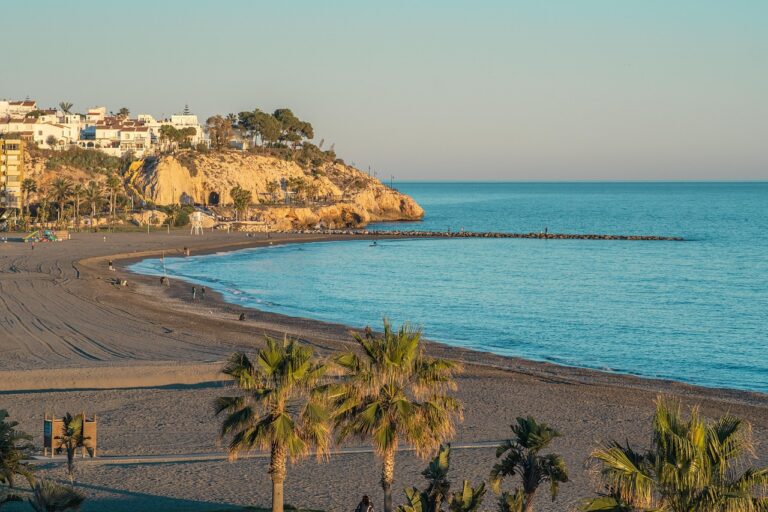
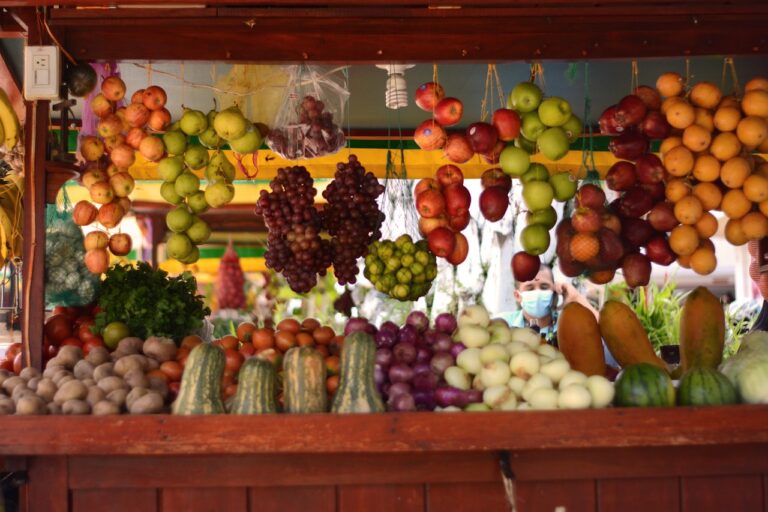
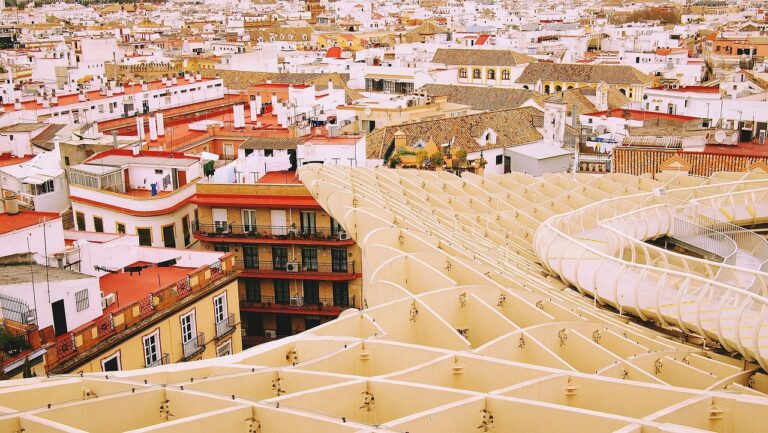
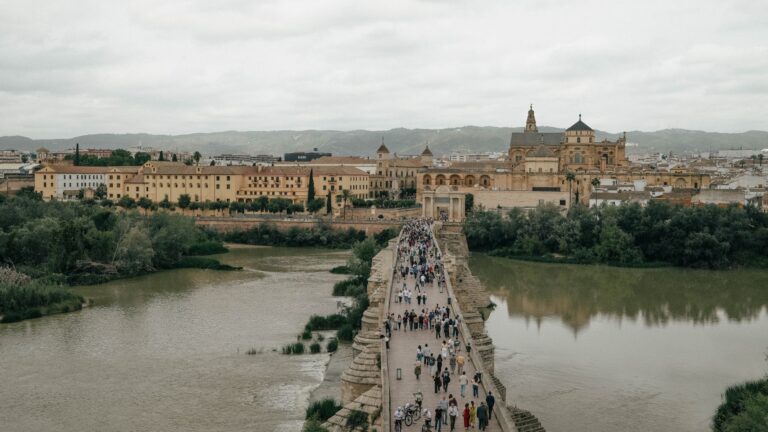
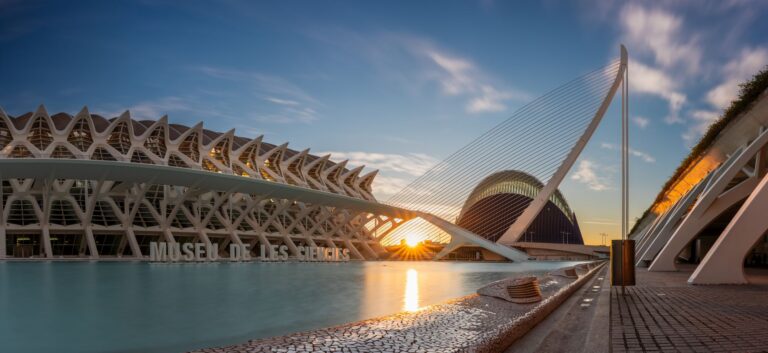

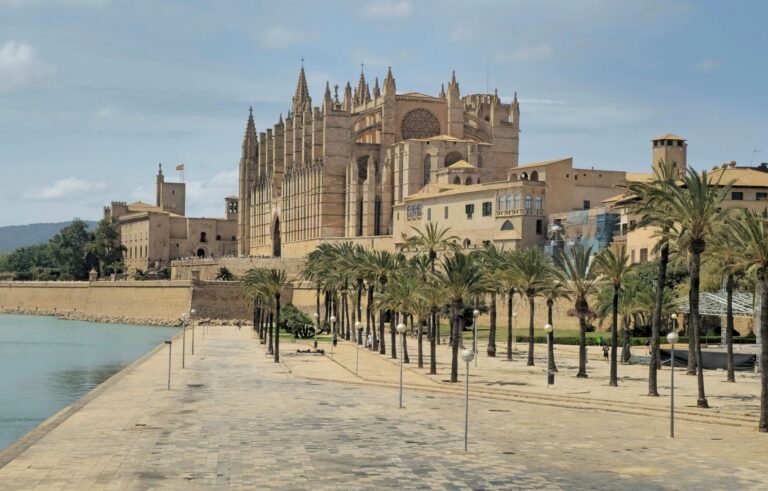
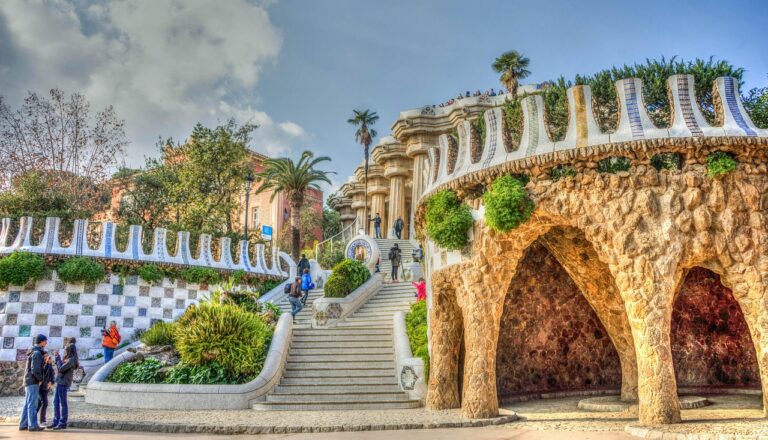

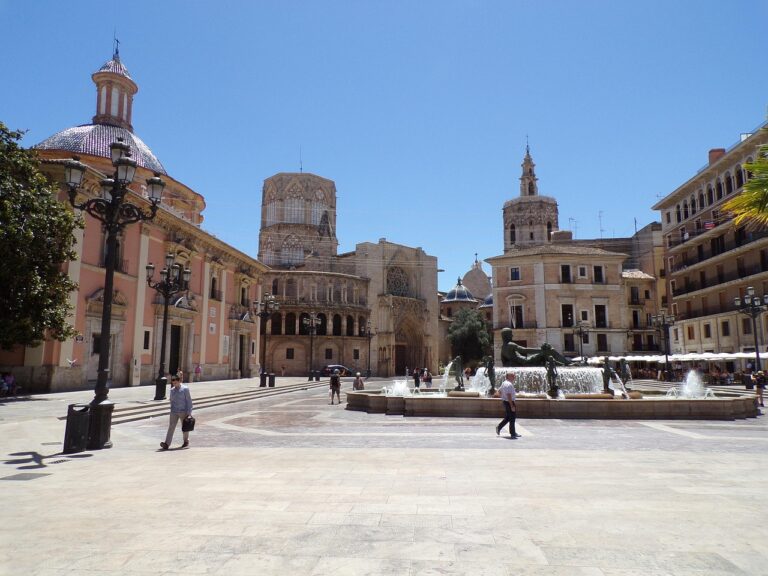
Cities in Spain
About NomadRoute
NomadRoute helps travelers discover destinations, compare flight options, and find competitive fares from trusted airlines and travel providers worldwide. We do not sell airline tickets directly. Instead, we connect travelers with leading booking partners.
Discover More Destinations
Find low fares from trusted travel providers.
Compare options and book directly with partners.
Explore destinations and routes worldwide.