
Travel Guide to Curonian Spit
The Curonian Spit, a UNESCO World Heritage site, is a remarkable narrow strip of land that separates the Curonian Lagoon from the Baltic Sea. Stretching approximately 98 kilometers, this unique landscape features towering sand dunes, lush forests, and picturesque fishing villages. Visitors can explore the diverse ecosystems that support a variety of wildlife, including rare bird species, making it a paradise for birdwatchers and nature enthusiasts.
The atmosphere is serene, with the sound of the waves and the rustling of leaves creating a peaceful retreat from the hustle and bustle of city life. The Spit is also home to several charming towns, such as Nida and Juodkrantė, where visitors can experience local culture, enjoy fresh seafood, and admire traditional wooden architecture. Hiking and cycling trails wind through the area, offering breathtaking views of the dunes and the sea.
Continue reading the travel guide
Travel Guide to Curonian Spit
For those interested in history, the Curonian Spit has a rich cultural heritage, with remnants of ancient settlements and historical sites, including the famous Hill of Witches, adorned with wooden sculptures that reflect local folklore. The combination of natural beauty and cultural significance makes the Curonian Spit a must-visit destination in Lithuania.
Why Visit?
Visiting the Curonian Spit offers a unique opportunity to experience breathtaking natural beauty, rich biodiversity, and a glimpse into the region's cultural heritage. Whether you're hiking through the dunes, birdwatching, or enjoying the tranquil beaches, the Spit promises a memorable escape into nature.
Best Time to Visit
The best time to visit the Curonian Spit is during the late spring and summer months (May to August) when the weather is warm and ideal for outdoor activities. Autumn also offers beautiful scenery with changing foliage, while winter provides a peaceful, snowy landscape for those seeking solitude.
Ready to go? Plan your Curonian Spit trip → Good to know →
Plan your trip to Curonian Spit
Flights, accommodation and ways to get around — plan the details that matter to you.
Find flights to Curonian Spit
Nearest recommended airport search point: KGD.
See recent flight offersTo Kaliningrad €66From Kaliningrad €66
Recent flight offers
Compare available fares and routes for Curonian Spit.
Flights to Kaliningrad Arrivals · KGD
Cheap Flights to Kaliningrad for Curonian Spit (KGD)
Compare recent fares to Kaliningrad, the suggested airport search point for visiting Curonian Spit. Choose a listed deal or use the search box above to check prices from your airport.
Flights from Curonian Spit Departures · KGD
Cheap Flights from Kaliningrad (KGD)
Compare the latest low fares from Kaliningrad to popular destinations. Prices are updated regularly and may change based on travel dates and availability.
Stay & getting around
Choose a neighbourhood, then decide how you will get from the airport and around the city.
Where to stay Neighbourhoods and accommodation
Where to Stay in Curonian Spit
The nearby town of Nida is the most practical base for exploring the Curonian Spit, offering a range of accommodations, restaurants, and easy access to the beach and hiking trails.
Getting around Airport transfers and local transport

Getting Around Curonian Spit
Visitors can reach the Curonian Spit via ferry from the mainland or by driving through Klaipėda. Once on the Spit, cycling and walking are popular ways to explore, with well-marked paths connecting the main attractions. Public transport options are limited, so renting a bike or car is recommended for convenience.
Travel essentials
 Stay connected
 Flight delayed or cancelled?
Popular Activities in Curonian Spit
Good to know about Curonian Spit
Map & DirectionsChoose a map
Open Curonian Spit in your preferred map app.




Country factsCapital, language and useful details
Quick Facts
Country
Location
Practical Information
Climate
Lithuania experiences a temperate maritime climate, characterized by warm summers and cold winters. The summer months can see temperatures rise above 25°C, while winter temperatures often drop below freezing, especially in January and February. Rainfall is distributed throughout the year, with slightly wetter conditions in summer.
Money
The local currency is EUR - Euro (€). Cards are widely accepted in urban areas, but it's advisable to carry some cash for small purchases, local transport, and in rural areas where card facilities may be limited.
Internet & SIM
Mobile coverage in Lithuania is generally good, with major providers offering SIM and eSIM options for tourists. Wi-Fi is widely available in urban areas, hotels, and cafes, making it easy to stay connected during your visit.
Electricity
Voltage: 230 V
Frequency: 50 Hz
Safety
Emergency
112
Explore more in Lithuania
Places to Visit in Lithuania
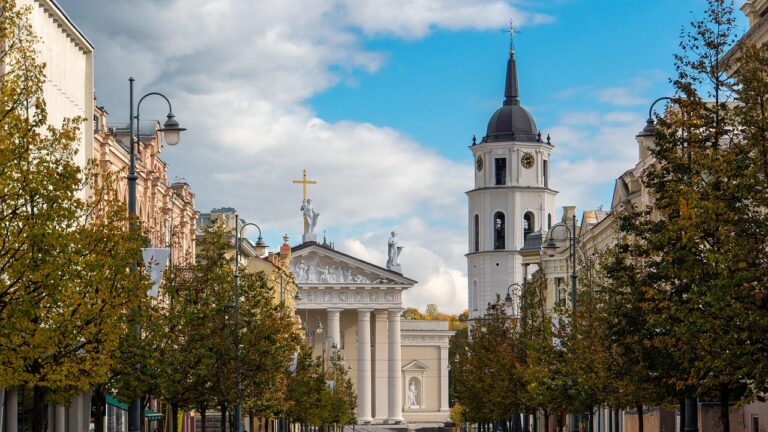
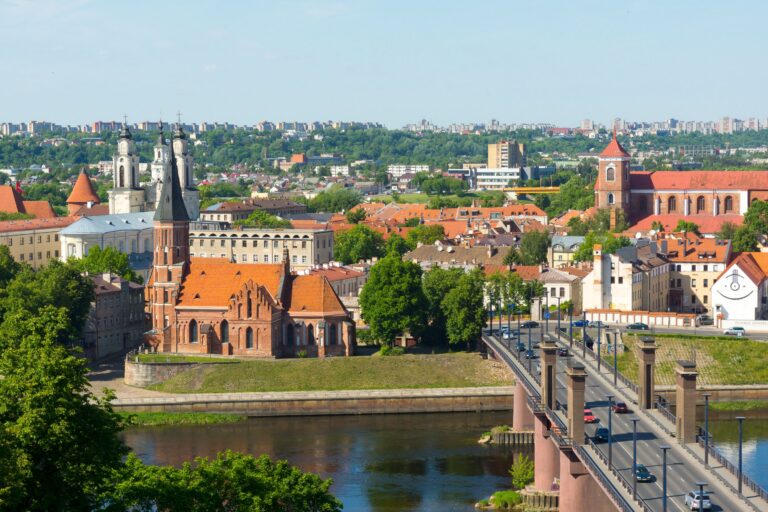
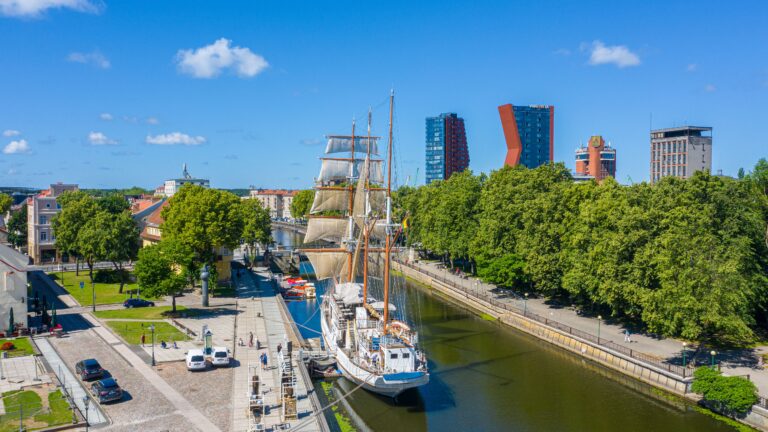
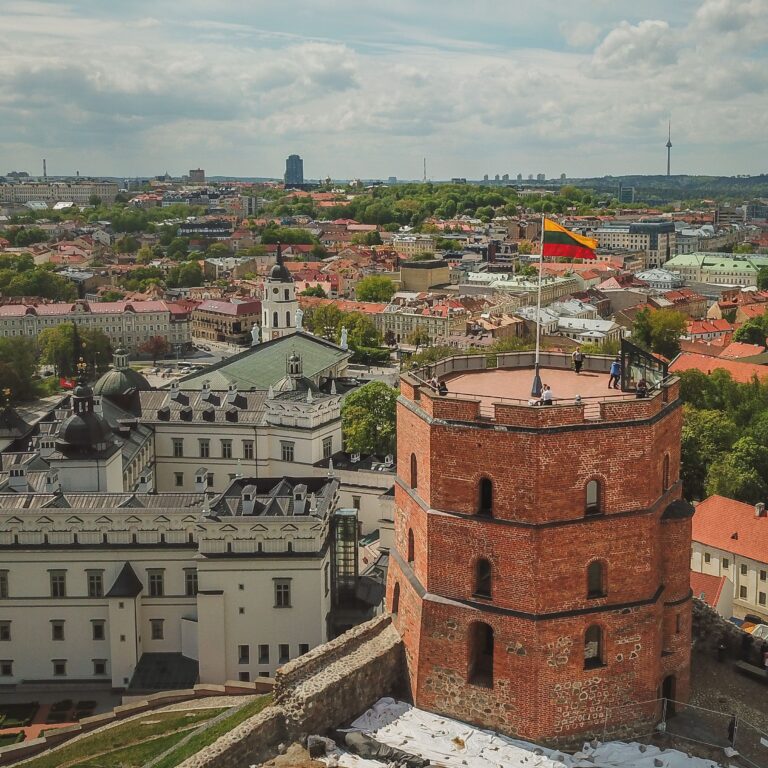
Cities in Lithuania
About NomadRoute
NomadRoute helps travelers discover destinations, compare flight options, and find competitive fares from trusted airlines and travel providers worldwide. We do not sell airline tickets directly. Instead, we connect travelers with leading booking partners.
Discover More Destinations
Find low fares from trusted travel providers.
Compare options and book directly with partners.
Explore destinations and routes worldwide.