
Travel Guide to Seville Cathedral
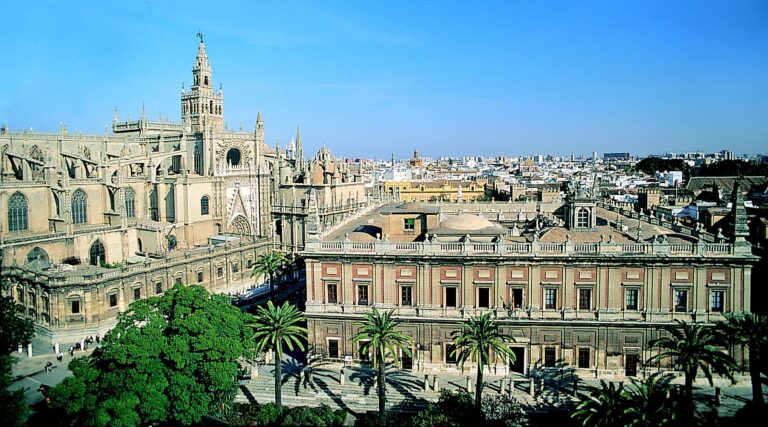
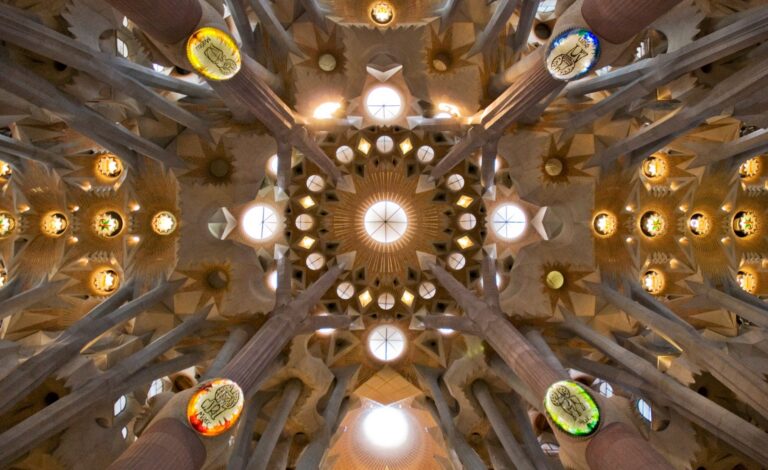
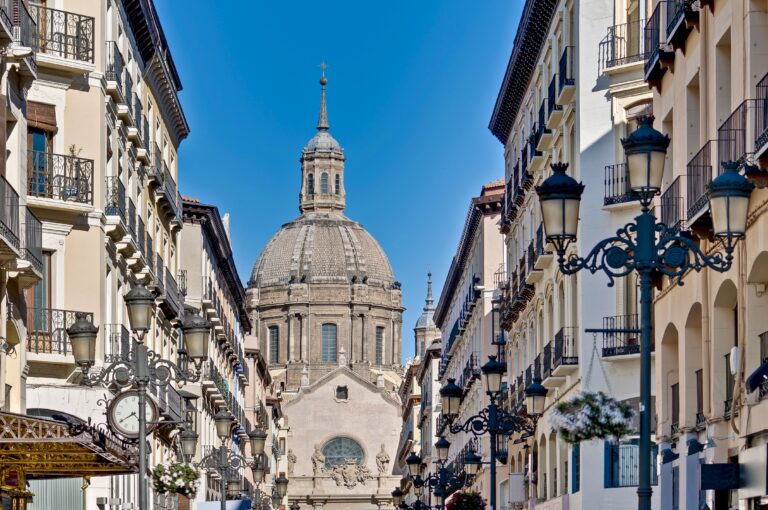
Seville Cathedral, officially known as the Cathedral of Saint Mary of the See, is one of the largest and most impressive Gothic cathedrals in the world. Constructed on the site of a former mosque, it showcases a blend of architectural styles, including Gothic, Renaissance, and Baroque elements. The cathedral is famous for its grand scale, with a length of 126 meters and a height of 37 meters, making it a true marvel of engineering and artistry.
Visitors can explore its breathtaking interior, which houses numerous chapels, altars, and works of art, including the stunning altarpiece and the famous tomb of Christopher Columbus. The Giralda, the cathedral's bell tower, offers panoramic views of Sevilla and is a must-visit for those looking to capture the beauty of the city from above. The atmosphere within the cathedral is serene, providing a perfect backdrop for reflection and appreciation of its historical significance.
Continue reading the travel guide
Travel Guide to Seville Cathedral
Seville Cathedral is not only a religious site but also a cultural landmark that reflects the rich history of Sevilla. It is a UNESCO World Heritage Site and attracts millions of visitors each year, making it a central part of any trip to the city. With its captivating architecture and deep historical roots, the cathedral stands as a testament to the artistic and spiritual heritage of Spain.
Why Visit?
Visiting Seville Cathedral is essential for anyone wanting to experience the grandeur of Gothic architecture and the rich history of Sevilla. The cathedral's stunning design, impressive art collections, and the opportunity to climb the Giralda for breathtaking views make it a highlight of any trip to the city.
Best Time to Visit
The best time to visit Seville Cathedral is during the spring (March to May) and fall (September to November) when the weather is mild and pleasant. Early mornings or late afternoons are ideal for avoiding crowds and enjoying a more tranquil experience inside the cathedral.
Ready to go? Plan your Seville Cathedral trip → Good to know →
Plan your trip to Seville Cathedral
Flights, accommodation and ways to get around — plan the details that matter to you.
Find flights to Seville Cathedral
Nearest recommended airport search point: SVQ.
See recent flight offersTo Sevilla €29From Sevilla €29
Recent flight offers
Compare available fares and routes for Seville Cathedral.
Flights to Sevilla Arrivals · SVQ
Cheap Flights to Sevilla for Seville Cathedral (SVQ)
Compare recent fares to Sevilla, the suggested airport search point for visiting Seville Cathedral. Choose a listed deal or use the search box above to check prices from your airport.
Flights from Seville Cathedral Departures · SVQ
Cheap Flights from Sevilla (SVQ)
Compare the latest low fares from Sevilla to popular destinations. Prices are updated regularly and may change based on travel dates and availability.
Stay & getting around
Choose a neighbourhood, then decide how you will get from the airport and around the city.
Where to stay Neighbourhoods and accommodation
Where to Stay in Seville Cathedral
For convenient access to Seville Cathedral, consider staying in the Santa Cruz neighborhood, which is within walking distance and offers a range of accommodation options, from boutique hotels to charming guesthouses.
Getting around Airport transfers and local transport

Getting Around Seville Cathedral
Seville is well-connected by public transport, including buses and trams, but many visitors prefer to explore the city on foot due to its compact size. The nearest airport is Seville Airport (SVQ), which is about 10 kilometers from the city center. Taxis and rideshare services are also available for easy transfers to and from the airport.
Travel essentials
 Stay connected
 Flight delayed or cancelled?
Popular Activities in Seville Cathedral
Good to know about Seville Cathedral
Map & DirectionsChoose a map
Open Seville Cathedral in your preferred map app.



Country factsCapital, language and useful details
Quick Facts
Country
Location
Practical Information
Climate
Spain has a varied climate, with Mediterranean, oceanic, semi-arid, and alpine conditions depending on the region. Summers can be hot, especially in the interior, while coastal areas enjoy milder temperatures. Winters vary significantly, with colder conditions in the north and milder weather in the south and islands.
Money
The local currency is EUR - Euro (€). Cards are widely accepted in urban areas and tourist destinations, but it's advisable to carry some cash for small purchases, local transport, and rural areas.
Internet & SIM
Mobile coverage is generally good across Spain, with 4G services widely available. SIM cards can be purchased at airports, shops, and kiosks, and eSIM options are also available. Wi-Fi is commonly found in hotels, cafes, and public spaces.
Electricity
Voltage: 230 V
Frequency: 50 Hz
Safety
Emergency
112
Explore more in Spain
Places to Visit in Spain






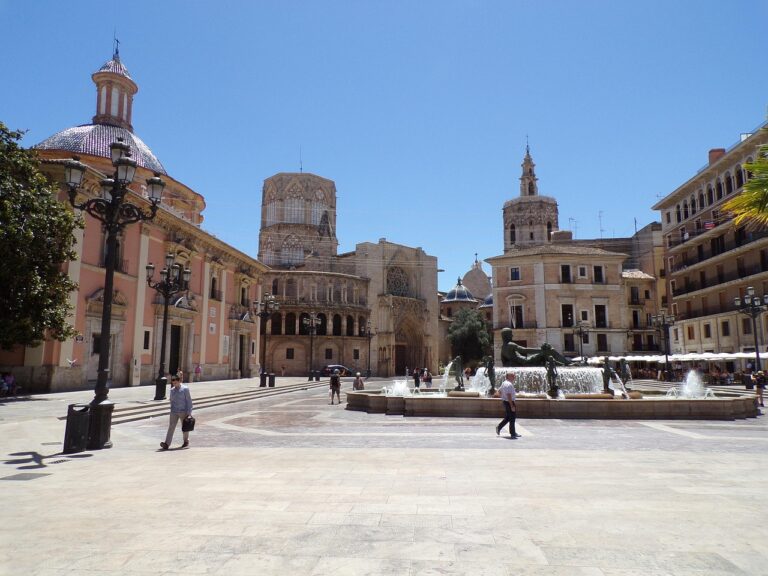
Cities in Spain

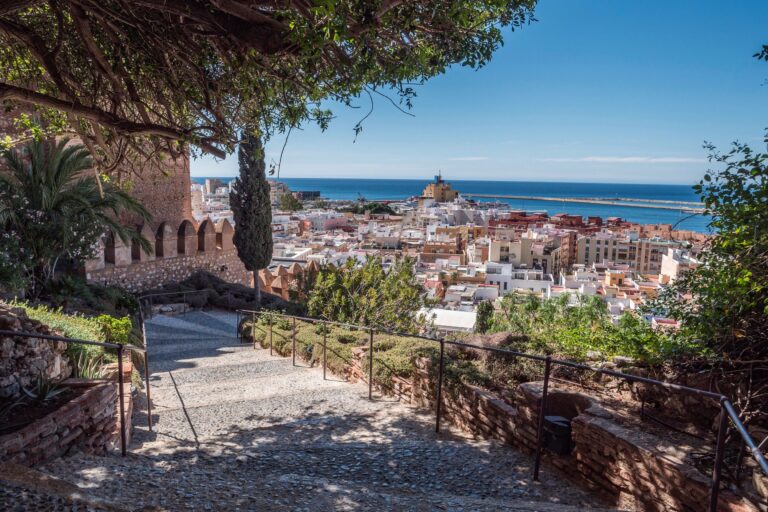
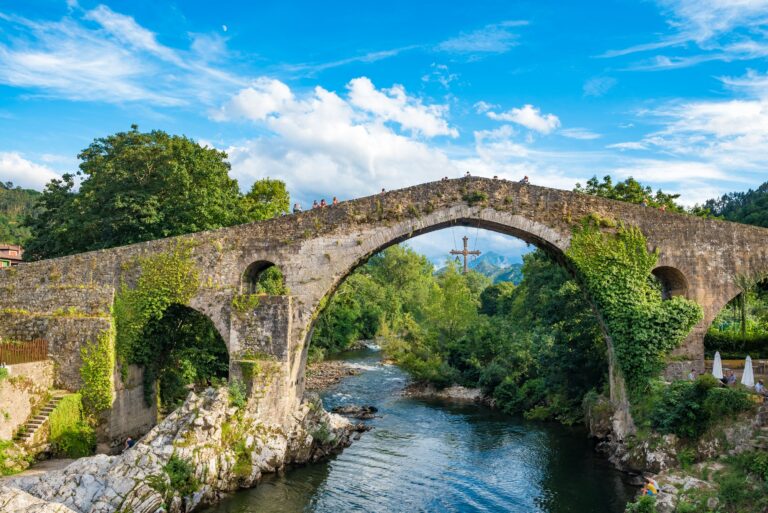
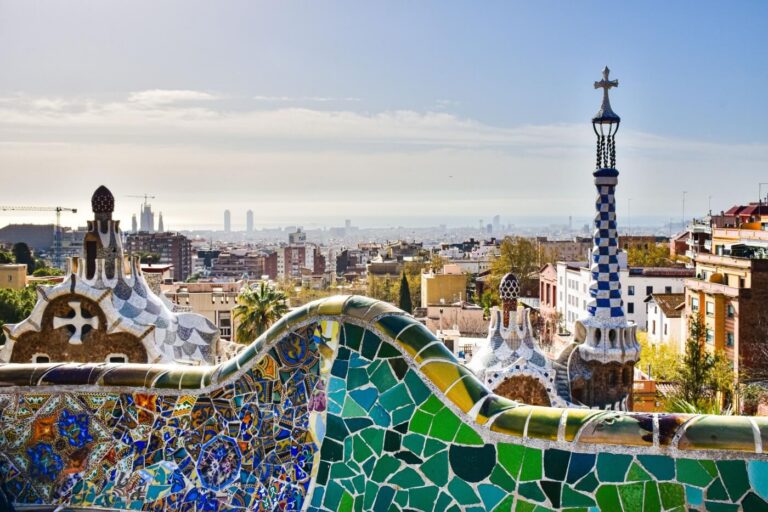







About NomadRoute
NomadRoute helps travelers discover destinations, compare flight options, and find competitive fares from trusted airlines and travel providers worldwide. We do not sell airline tickets directly. Instead, we connect travelers with leading booking partners.
Discover More Destinations
Find low fares from trusted travel providers.
Compare options and book directly with partners.
Explore destinations and routes worldwide.