
Travel Guide to Luxor
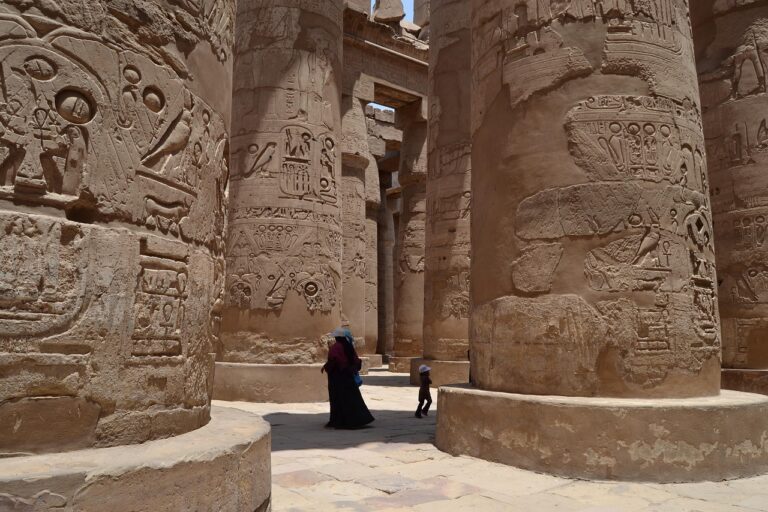
Luxor, located on the east bank of the Nile River, is a city steeped in ancient Egyptian history, often called the world's greatest open-air museum. The city is famous for its remarkable temples and tombs, including the majestic Karnak Temple, a sprawling complex dedicated to the Theban triad of Amun, Mut, and Khonsu. Just a short distance away lies the Valley of the Kings, where the tombs of pharaohs, including the famous Tutankhamun, can be explored. Visitors can also marvel at the Temple of Hatshepsut, a stunning mortuary temple dedicated to Egypt's first female pharaoh.
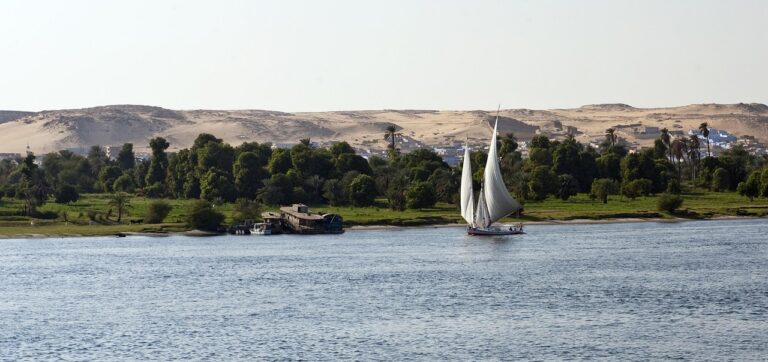
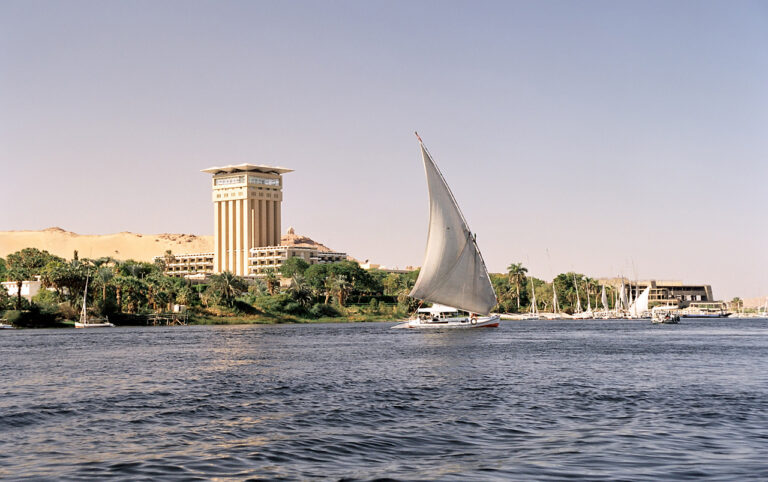
The atmosphere in Luxor is vibrant, with bustling markets and local eateries offering a taste of Egyptian culture. The city serves as a gateway to the ancient wonders of Thebes, making it an essential stop for history enthusiasts. Luxor's warm climate makes it a year-round destination, although the best time to visit is during the cooler months from October to April. Travelers can enjoy leisurely felucca rides on the Nile, explore the local bazaars, and witness the breathtaking sunset over the river. With its rich tapestry of history and culture, Luxor promises an unforgettable journey into Egypt's past.
Continue reading the travel guide
Travel Guide to Luxor
Why Visit?
Luxor is a must-visit for anyone interested in ancient history and archaeology. The city's unparalleled collection of temples and tombs, including the iconic Karnak Temple and the Valley of the Kings, offer a glimpse into the grandeur of ancient Egypt. Additionally, Luxor's vibrant local culture, delicious cuisine, and stunning Nile views enhance the travel experience, making it a captivating destination for all types of travelers.
Best Time to Visit
The best time to visit Luxor is between October and April when the weather is cooler and more pleasant for exploring the city's outdoor attractions. During these months, daytime temperatures are comfortable, making it ideal for visiting the ancient sites. However, be prepared for larger crowds during peak tourist season, especially around the winter holidays. The summer months can be extremely hot, with temperatures soaring above 40°C (104°F), which may deter some travelers from enjoying outdoor activities.
View all
Top Attractions in Luxor
- Karnak Temple
- Valley of the Kings
- Temple of Hatshepsut
- Luxor Temple
- Colossi of Memnon
- Medinet Habu
- Valley of the Queens
- Ramesseum
Ready to go? Plan your Luxor trip → Good to know →
Plan your trip to Luxor
Flights, accommodation and ways to get around — plan the details that matter to you.
Stay & getting around
Choose a neighbourhood, then decide how you will get from the airport and around the city.
Where to stay Neighbourhoods and accommodation
Where to Stay in Luxor
Luxor offers a range of accommodation options, from luxurious hotels along the Nile to budget-friendly guesthouses. For a unique experience, consider staying at a hotel with views of the river or near the Karnak Temple. Popular areas to stay include the East Bank, which is close to major attractions, and the West Bank, known for its quieter atmosphere and proximity to the Valley of the Kings.
Getting around Airport transfers and local transport

Getting Around Luxor
Getting around Luxor is relatively easy, with various transportation options available. Taxis and horse-drawn carriages are common for short distances, while felucca boats provide a scenic way to travel along the Nile. For those looking to explore the ancient sites, guided tours or private drivers can be arranged, offering a more in-depth experience of the city's rich history.
Travel essentials
 Stay connected
 Flight delayed or cancelled?
Popular Activities in Luxor
Good to know about Luxor
Country factsCapital, language and useful details
Quick Facts
Country
Location
Practical Information
Climate
Egypt has a predominantly hot desert climate, characterized by extremely hot summers and mild winters. Rainfall is scarce, making it essential to plan visits according to seasonal temperatures.
Money
The local currency is the Egyptian Pound (EGP). While credit and debit cards are widely accepted in urban areas, it's advisable to carry cash for small purchases, local transport, and in rural areas.
Internet & SIM
Mobile coverage is generally good in urban areas, with several providers offering SIM and eSIM options for tourists. Wi-Fi is available in many hotels and cafes, but connectivity may vary in remote locations.
Electricity
Voltage: 220 V
Frequency: 50 Hz
Safety
Emergency
122
Frequently Asked Travel Questions
What is the best time to visit Luxor?
The best time to visit Luxor is between October and April when temperatures are cooler, making it more comfortable for exploring the city's ancient sites.
How long should I plan to stay in Luxor?
A trip to Luxor typically lasts 3 to 5 days, allowing enough time to explore major attractions like the Valley of the Kings and Karnak Temple.
What are the main attractions in Luxor?
Key attractions in Luxor include Karnak Temple, the Valley of the Kings, Temple of Hatshepsut, and Luxor Temple, each showcasing Egypt's rich history.
How can I get around Luxor?
Getting around Luxor is easy with options like taxis, horse-drawn carriages, and felucca boats for a scenic ride along the Nile.
Is Luxor safe for tourists?
Luxor is generally considered safe for tourists, but it's always wise to stay aware of your surroundings and follow local advice.
Explore more in Egypt
Places to Visit in Egypt

Cities in Egypt
About NomadRoute
NomadRoute helps travelers discover destinations, compare flight options, and find competitive fares from trusted airlines and travel providers worldwide. We do not sell airline tickets directly. Instead, we connect travelers with leading booking partners.
Discover More Destinations
Find low fares from trusted travel providers.
Compare options and book directly with partners.
Explore destinations and routes worldwide.
Photo · Hajor at English Wikipedia · Wikimedia Commons · CC BY-SA 3.0