
Travel Guide to Pyramids of Giza
The Pyramids of Giza, a UNESCO World Heritage site, are among the most recognizable structures in the world and a testament to ancient Egyptian engineering. Constructed around 2580–2560 BC, the Great Pyramid of Giza, built for Pharaoh Khufu, stands as the largest of the three pyramids and was originally 146.6 meters tall. Visitors can explore the intricate burial chambers and learn about the fascinating history of these monumental tombs, which were designed to honor and protect the pharaohs in the afterlife.
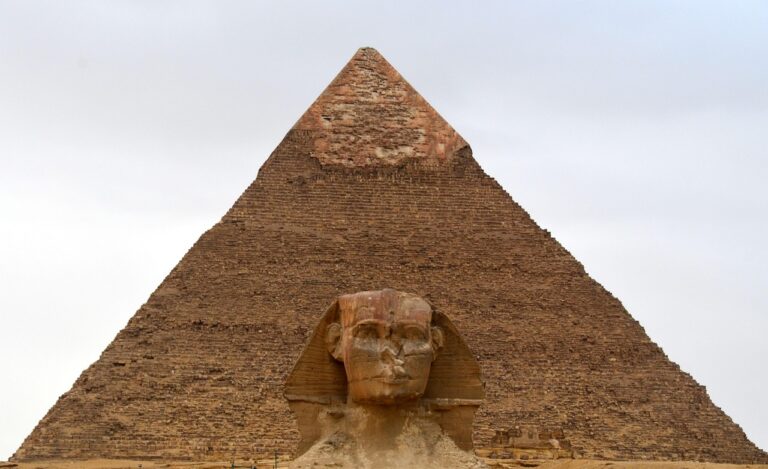
In addition to the Great Pyramid, the site features the Pyramid of Khafre, which appears taller due to its elevated location, and the smaller Pyramid of Menkaure. The Sphinx, a mythical creature with the body of a lion and the head of a pharaoh, guards the complex and adds to the allure of the site. The atmosphere is both awe-inspiring and humbling, as visitors stand in the shadow of these ancient giants, contemplating the mysteries of the past.
Continue reading the travel guide
Travel Guide to Pyramids of Giza
When planning a visit, it's essential to consider the best times to explore the pyramids, as the midday sun can be intense. Early mornings or late afternoons provide a more comfortable experience, along with stunning lighting for photography. The site is easily accessible from Cairo, making it a must-visit for anyone traveling to Egypt, whether for history, culture, or simply to marvel at one of the Seven Wonders of the Ancient World.
Why Visit?
Visiting the Pyramids of Giza offers a unique opportunity to connect with ancient history and witness one of the most significant archaeological sites in the world. The sheer scale and architectural brilliance of these structures are awe-inspiring, making it a bucket-list destination for travelers seeking to understand Egypt's rich cultural heritage.
Best Time to Visit
The best time to visit the Pyramids of Giza is during the cooler months from October to April. Early mornings or late afternoons are ideal for avoiding the heat and enjoying the site with fewer crowds.
Ready to go? Plan your Pyramids of Giza trip → Good to know →
Plan your trip to Pyramids of Giza
Flights, accommodation and ways to get around — plan the details that matter to you.
Find flights to Pyramids of Giza
Nearest recommended airport search point: CAI.
See recent flight offersTo Cairo €90From Cairo €99
Recent flight offers
Compare available fares and routes for Pyramids of Giza.
Flights to Cairo Arrivals · CAI
Cheap Flights to Cairo for Pyramids of Giza (CAI)
Compare recent fares to Cairo, the suggested airport search point for visiting Pyramids of Giza. Choose a listed deal or use the search box above to check prices from your airport.
Flights from Pyramids of Giza Departures · CAI
Cheap Flights from Cairo (CAI)
Compare the latest low fares from Cairo to popular destinations. Prices are updated regularly and may change based on travel dates and availability.
Stay & getting around
Choose a neighbourhood, then decide how you will get from the airport and around the city.
Where to stay Neighbourhoods and accommodation
Where to Stay in Pyramids of Giza
Cairo offers a range of accommodation options, from luxury hotels with views of the pyramids to budget-friendly hostels. Staying in Giza or central Cairo provides convenient access to the pyramids and other attractions.
Getting around Airport transfers and local transport

Getting Around Pyramids of Giza
The Pyramids of Giza are approximately 30 minutes from Cairo International Airport (CAI). Visitors can reach the site by taxi, private car, or organized tours. Once at the pyramids, walking is the best way to explore, although camel and horse rides are also available for a unique experience.
Travel essentials
 Stay connected
 Flight delayed or cancelled?
Popular Activities in Pyramids of Giza
Good to know about Pyramids of Giza
Map & DirectionsChoose a map
Open Pyramids of Giza in your preferred map app.




Country factsCapital, language and useful details
Quick Facts
Country
Location
Practical Information
Climate
Egypt has a predominantly hot desert climate, characterized by extremely hot summers and mild winters. Rainfall is scarce, making it essential to plan visits according to seasonal temperatures.
Money
The local currency is the Egyptian Pound (EGP). While credit and debit cards are widely accepted in urban areas, it's advisable to carry cash for small purchases, local transport, and in rural areas.
Internet & SIM
Mobile coverage is generally good in urban areas, with several providers offering SIM and eSIM options for tourists. Wi-Fi is available in many hotels and cafes, but connectivity may vary in remote locations.
Electricity
Voltage: 220 V
Frequency: 50 Hz
Safety
Emergency
122
Explore more in Egypt
Places to Visit in Egypt
Cities in Egypt
About NomadRoute
NomadRoute helps travelers discover destinations, compare flight options, and find competitive fares from trusted airlines and travel providers worldwide. We do not sell airline tickets directly. Instead, we connect travelers with leading booking partners.
Discover More Destinations
Find low fares from trusted travel providers.
Compare options and book directly with partners.
Explore destinations and routes worldwide.