
Travel Guide to The Nile River
The Nile River, stretching over 6,650 kilometers, is not only the longest river in the world but also a lifeline for Egypt, shaping its history and culture for millennia. Flowing northward through the heart of the country, it has been the cradle of ancient civilizations, providing water, transportation, and fertile land for agriculture. Visitors to the Nile can expect to witness stunning vistas, from lush green banks to the stark desert landscapes that frame its course.
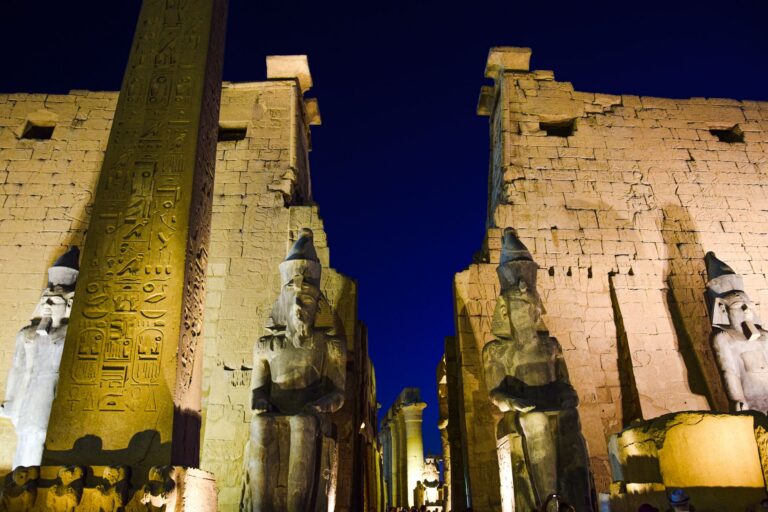
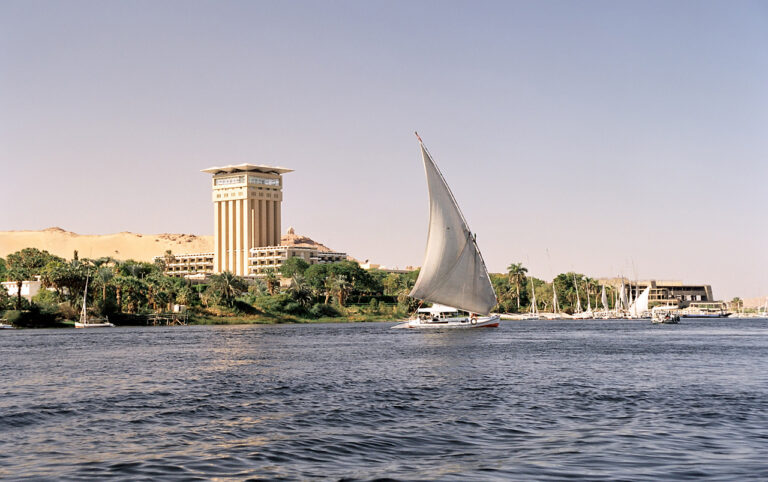
The river is dotted with iconic landmarks, including the majestic temples of Luxor and Karnak, as well as the ancient city of Thebes. A cruise along the Nile is a popular way to explore these historical sites, offering a unique perspective on the landscape and the opportunity to witness daily life along the river. Travelers can also enjoy various activities such as felucca sailing, fishing, and birdwatching, making the Nile a versatile destination for nature lovers and history enthusiasts alike.
Continue reading the travel guide
Travel Guide to The Nile River
When planning a visit, consider the river's significance in Egyptian culture, as it continues to be a vital resource for the local population. The best way to experience the Nile is to take a leisurely cruise, allowing ample time to soak in the beauty and history that line its banks.
Why Visit?
Visiting the Nile River offers a unique opportunity to explore one of the world's most significant waterways, rich in history and culture. The stunning landscapes, combined with the chance to visit ancient temples and experience local life, make it a must-see destination for any traveler in Egypt.
Best Time to Visit
The best time to visit the Nile River is during the cooler months from October to April, when temperatures are more comfortable for exploring. Early morning or late afternoon are ideal for enjoying the scenic views and avoiding the midday heat.
Ready to go? Plan your The Nile River trip → Good to know →
Plan your trip to The Nile River
Flights, accommodation and ways to get around — plan the details that matter to you.
Find flights to The Nile River
Nearest recommended airport search point: CAI.
See recent flight offersTo Cairo €89From Cairo €97
Recent flight offers
Compare available fares and routes for The Nile River.
Flights to Cairo Arrivals · CAI
Cheap Flights to Cairo for The Nile River (CAI)
Compare recent fares to Cairo, the suggested airport search point for visiting The Nile River. Choose a listed deal or use the search box above to check prices from your airport.
Flights from The Nile River Departures · CAI
Cheap Flights from Cairo (CAI)
Compare the latest low fares from Cairo to popular destinations. Prices are updated regularly and may change based on travel dates and availability.
Stay & getting around
Choose a neighbourhood, then decide how you will get from the airport and around the city.
Where to stay Neighbourhoods and accommodation
Where to Stay in The Nile River
For a comfortable stay, consider lodging in Luxor or Aswan, both of which offer a range of accommodations from luxury hotels to budget-friendly options. These cities provide easy access to major attractions along the Nile.
Getting around Airport transfers and local transport

Getting Around The Nile River
Travelers can reach the Nile River via Cairo International Airport (CAI), with various transportation options available, including domestic flights to Luxor and Aswan. Once at the river, felucca boats, cruises, and local taxis are popular ways to navigate and explore the area.
Travel essentials
 Stay connected
 Flight delayed or cancelled?
Popular Activities in The Nile River
Good to know about The Nile River
Map & DirectionsChoose a map
Open The Nile River in your preferred map app.




Country factsCapital, language and useful details
Quick Facts
Country
Location
Practical Information
Climate
Egypt has a predominantly hot desert climate, characterized by extremely hot summers and mild winters. Rainfall is scarce, making it essential to plan visits according to seasonal temperatures.
Money
The local currency is the Egyptian Pound (EGP). While credit and debit cards are widely accepted in urban areas, it's advisable to carry cash for small purchases, local transport, and in rural areas.
Internet & SIM
Mobile coverage is generally good in urban areas, with several providers offering SIM and eSIM options for tourists. Wi-Fi is available in many hotels and cafes, but connectivity may vary in remote locations.
Electricity
Voltage: 220 V
Frequency: 50 Hz
Safety
Emergency
122
Explore more in Egypt
Places to Visit in Egypt
Cities in Egypt
About NomadRoute
NomadRoute helps travelers discover destinations, compare flight options, and find competitive fares from trusted airlines and travel providers worldwide. We do not sell airline tickets directly. Instead, we connect travelers with leading booking partners.
Discover More Destinations
Find low fares from trusted travel providers.
Compare options and book directly with partners.
Explore destinations and routes worldwide.