
Travel Guide to Central Park
Central Park, located in the heart of New York City, is a remarkable 843-acre urban park that serves as a green refuge amidst the bustling cityscape. Established in 1858, it was the first landscaped public park in the United States and has since become a symbol of the city itself. The park features a diverse range of landscapes, including meadows, woodlands, and tranquil lakes, making it a perfect spot for both relaxation and recreation.
Visitors to Central Park can enjoy a variety of activities, from leisurely strolls along its winding paths to picnicking on the Great Lawn. The park is home to several iconic landmarks, such as Bethesda Terrace, the Bow Bridge, and the Central Park Zoo, each offering unique experiences. The vibrant atmosphere is enhanced by street performers, artists, and families enjoying the outdoors, creating a lively yet peaceful environment.
Continue reading the travel guide
Travel Guide to Central Park
For those interested in history, Central Park is not only a beautiful landscape but also a cultural treasure, featuring sculptures and monuments that commemorate significant figures and events. The park's design, crafted by Frederick Law Olmsted and Calvert Vaux, reflects a vision of nature that harmonizes with urban life, making it an essential part of New York City's identity.
When planning a visit, consider exploring the park during different seasons to experience its changing beauty, from cherry blossoms in spring to vibrant foliage in autumn. Central Park is easily accessible from various points in the city, making it a must-visit destination for both locals and tourists alike.
Why Visit?
Central Park is a must-visit for anyone in New York City, offering a unique blend of natural beauty and cultural significance. Its expansive landscapes provide a perfect escape from the city's hustle and bustle, while its iconic attractions and recreational opportunities cater to visitors of all ages. Whether you're looking to relax, explore, or engage in outdoor activities, Central Park has something for everyone.
Best Time to Visit
The best time to visit Central Park is during the spring (April to June) and fall (September to November) when the weather is mild and the park is adorned with vibrant flowers and foliage. Early mornings or late afternoons are ideal for avoiding crowds and enjoying a peaceful atmosphere.
Ready to go? Plan your Central Park trip → Good to know →
Plan your trip to Central Park
Flights, accommodation and ways to get around — plan the details that matter to you.
Find flights to Central Park
Nearest recommended airport search point: JFK.
See recent flight offersFrom JFK €135
Recent flight offers
Compare available fares and routes for Central Park.
Flights from Central Park Departures · JFK
Cheap Flights from JFK (JFK)
Compare the latest low fares from JFK to popular destinations. Prices are updated regularly and may change based on travel dates and availability.
Stay & getting around
Choose a neighbourhood, then decide how you will get from the airport and around the city.
Where to stay Neighbourhoods and accommodation
Where to Stay in Central Park
For convenient access to Central Park, consider staying in the Upper West Side or Upper East Side of Manhattan. These neighborhoods offer a range of accommodation options, from luxury hotels to cozy boutique stays, all within walking distance of the park.
Getting around Airport transfers and local transport

Getting Around Central Park
Central Park is easily accessible by public transportation, with several subway stations nearby, including the 59th Street–Columbus Circle and the 72nd Street stations. Once inside the park, visitors can explore on foot, rent bicycles, or take a horse-drawn carriage ride to enjoy the scenery at a leisurely pace.
Travel essentials
 Stay connected
 Flight delayed or cancelled?
Popular Activities in Central Park
Good to know about Central Park
Map & DirectionsChoose a map
Open Central Park in your preferred map app.




Country factsCapital, language and useful details
Quick Facts
Country
Location
Practical Information
Climate
The United States has a diverse climate, ranging from arctic conditions in Alaska to tropical weather in Florida and Hawaii. Seasonal variations are significant, with each region offering unique weather patterns.
Money
The local currency is the US Dollar (USD). Credit and debit cards are widely accepted, but it's advisable to carry some cash for small purchases, local transport, and in rural areas.
Internet & SIM
Mobile coverage is generally good across urban areas, with various options for purchasing SIM cards or eSIMs available at airports and stores. Wi-Fi is commonly found in hotels, cafes, and public spaces.
Electricity
Voltage: 120 V
Frequency: 60 Hz
Safety
Emergency
911
Explore more in United States
Places to Visit in United States












































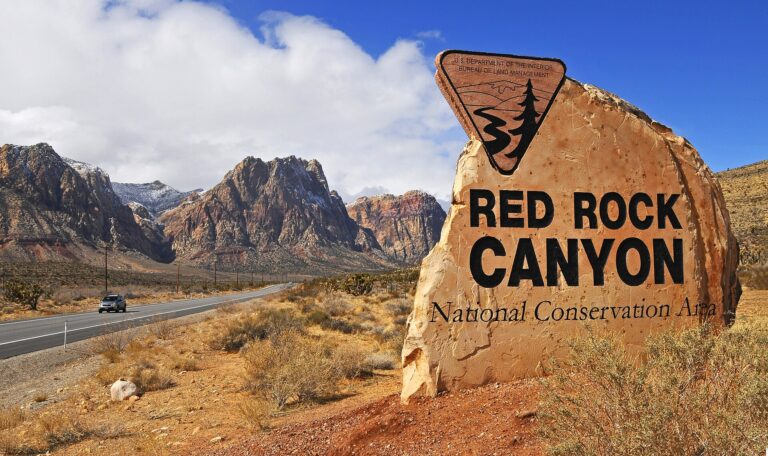


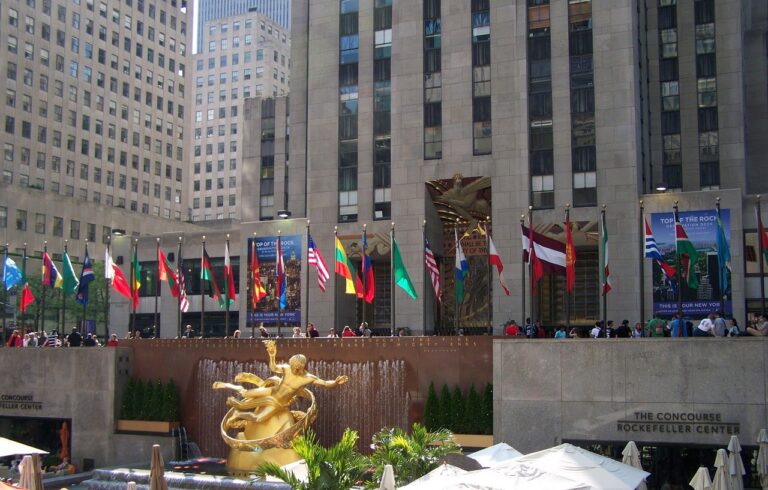





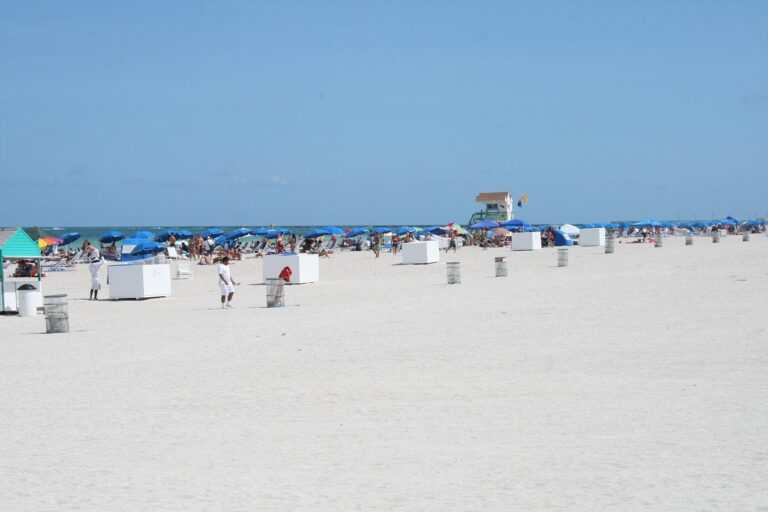







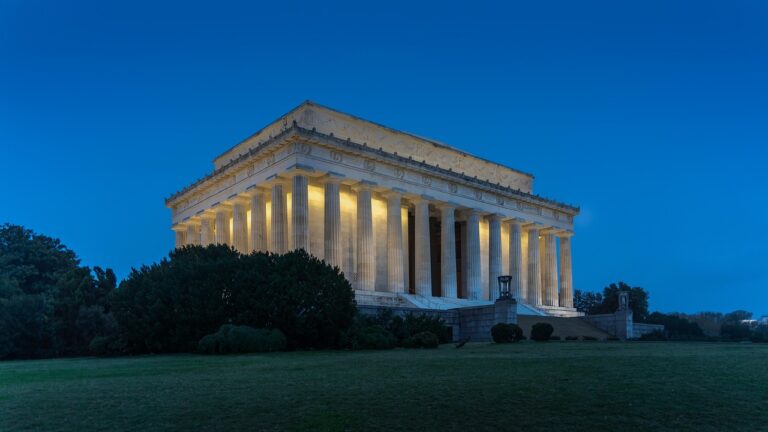
















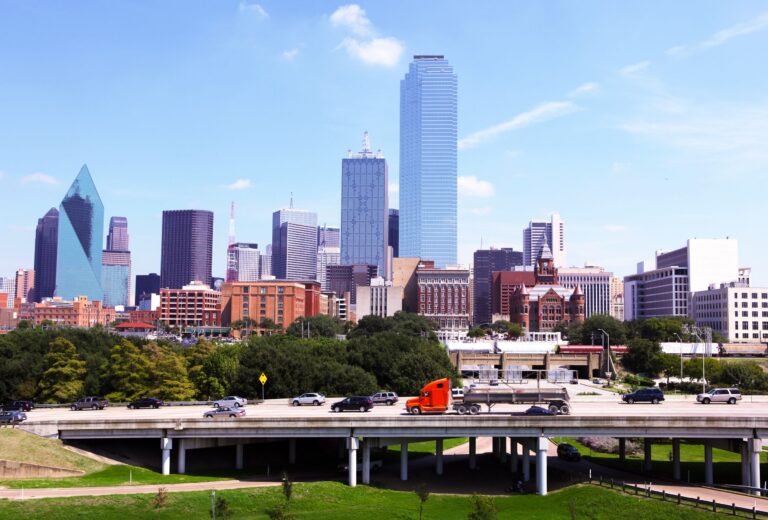
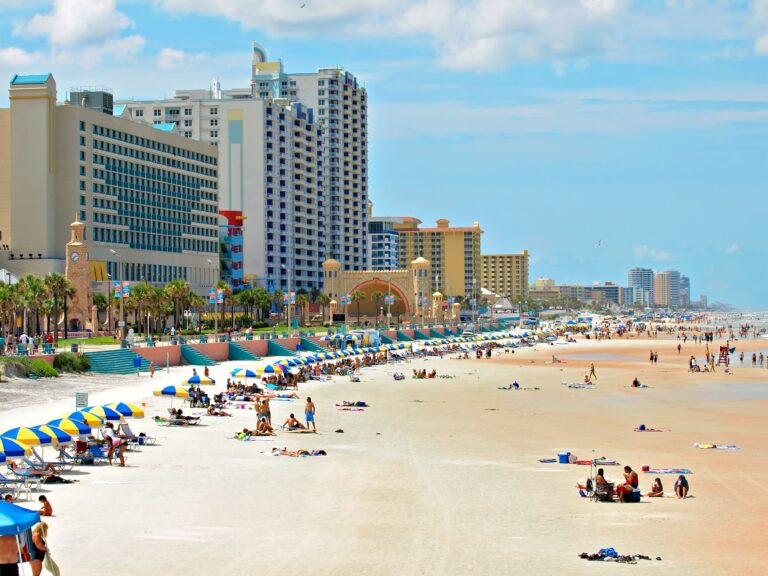
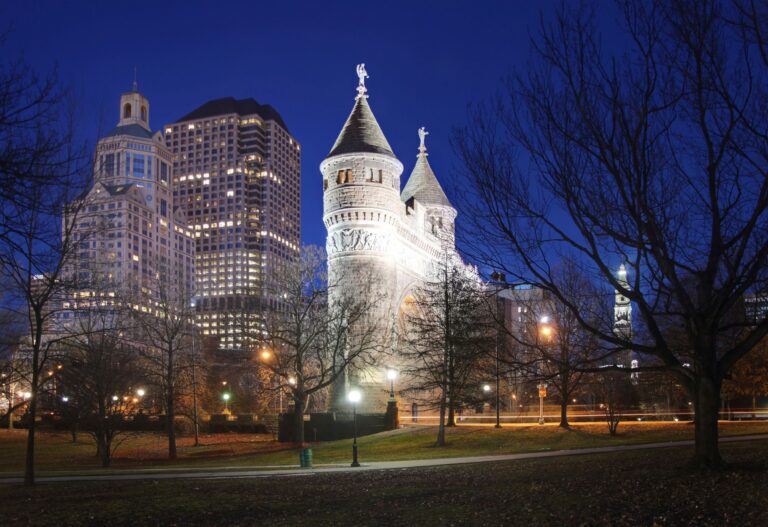
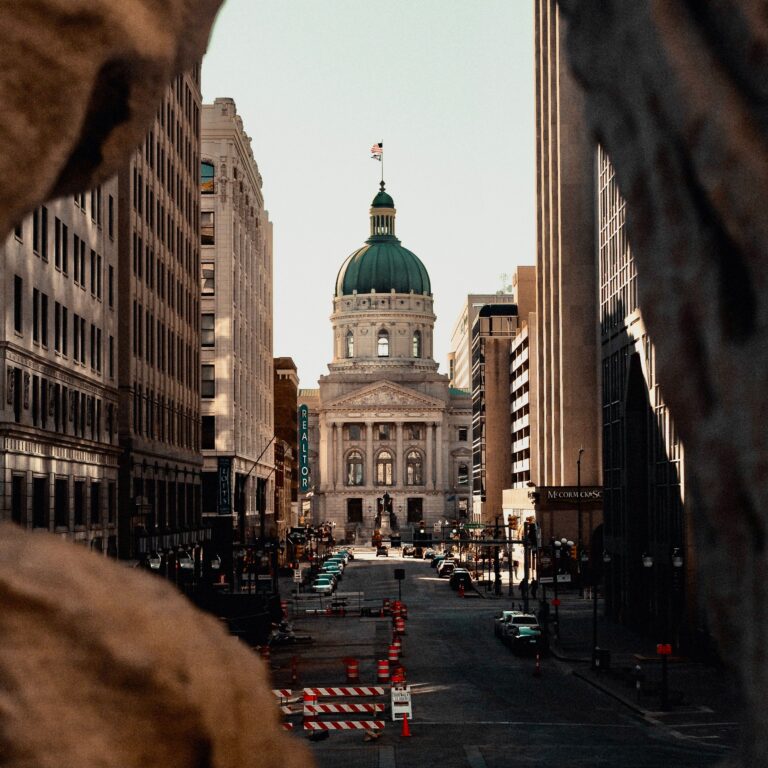
Cities in United States














































About NomadRoute
NomadRoute helps travelers discover destinations, compare flight options, and find competitive fares from trusted airlines and travel providers worldwide. We do not sell airline tickets directly. Instead, we connect travelers with leading booking partners.
Discover More Destinations
Find low fares from trusted travel providers.
Compare options and book directly with partners.
Explore destinations and routes worldwide.