
Travel Guide to One World Observatory
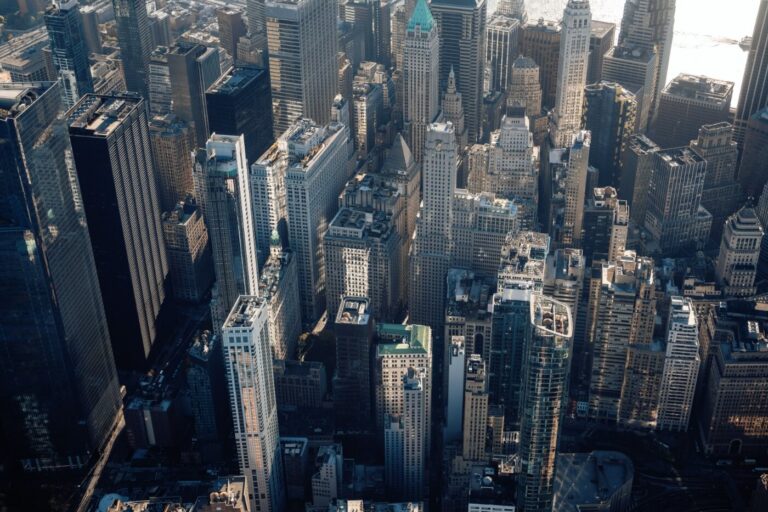
Perched atop the iconic One World Trade Center, One World Observatory provides visitors with an unparalleled panoramic view of New York City and beyond. As the tallest building in the Western Hemisphere, it stands at 1,776 feet, symbolizing resilience and hope. The observatory features state-of-the-art technology, including an immersive elevator ride that showcases the city’s skyline as you ascend. Once at the top, guests can enjoy interactive exhibits that highlight the history and culture of New York, making it a perfect blend of education and breathtaking scenery.
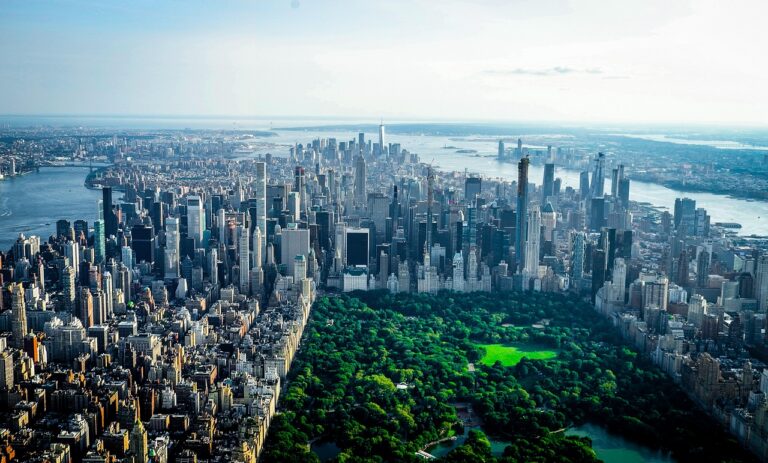
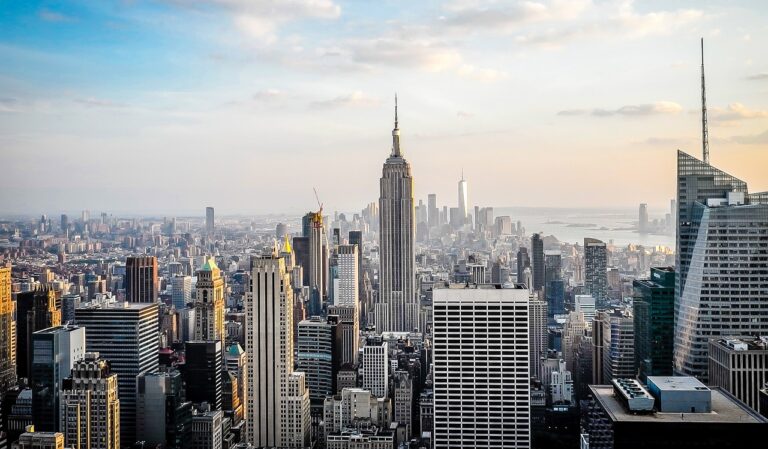
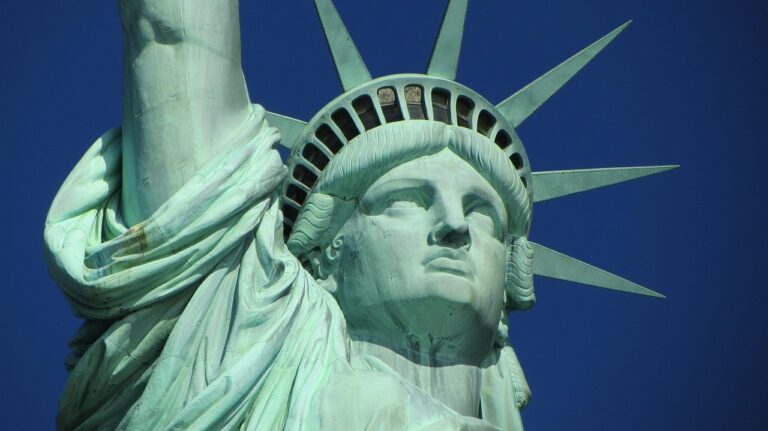
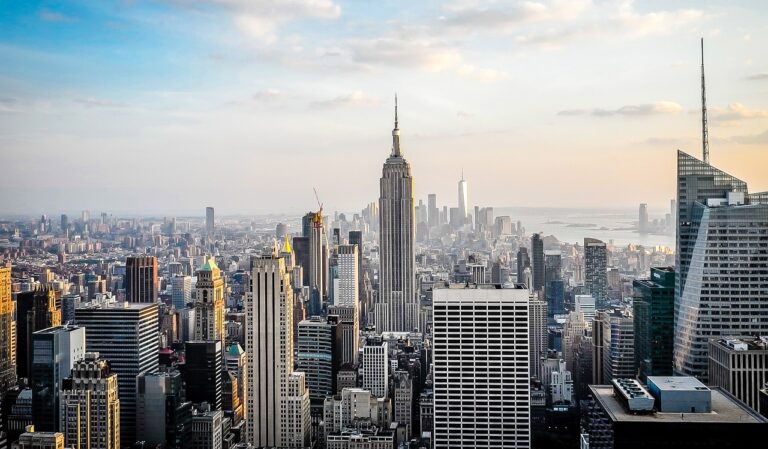
Visitors can expect to see famous landmarks such as the Statue of Liberty, Central Park, and the Empire State Building from the observation deck. The atmosphere is both exhilarating and serene, offering a unique perspective of the bustling city below. For those looking to enhance their experience, the observatory also has a café and a bar, where you can relax with a drink while taking in the stunning views.
Continue reading the travel guide
Travel Guide to One World Observatory
Planning a visit to One World Observatory is straightforward, with various ticket options available online. It’s advisable to book in advance, especially during peak tourist seasons, to ensure a smooth experience. The observatory is conveniently located in Lower Manhattan, making it easily accessible from various parts of the city.
Why Visit?
One World Observatory is a must-visit for anyone looking to experience New York City from a unique vantage point. The combination of stunning views, educational exhibits, and the historical significance of the One World Trade Center makes it a memorable stop on any itinerary.
Best Time to Visit
The best time to visit One World Observatory is during the spring and fall when the weather is mild, and the views are often clear. Early morning or late afternoon visits can also provide stunning light for photography.
Ready to go? Plan your One World Observatory trip → Good to know →
Plan your trip to One World Observatory
Flights, accommodation and ways to get around — plan the details that matter to you.
Find flights to One World Observatory
Nearest recommended airport search point: JFK.
See recent flight offersFrom JFK €135
Recent flight offers
Compare available fares and routes for One World Observatory.
Flights from One World Observatory Departures · JFK
Cheap Flights from JFK (JFK)
Compare the latest low fares from JFK to popular destinations. Prices are updated regularly and may change based on travel dates and availability.
Stay & getting around
Choose a neighbourhood, then decide how you will get from the airport and around the city.
Where to stay Neighbourhoods and accommodation
Where to Stay in One World Observatory
For convenience, consider staying in Lower Manhattan or nearby neighborhoods such as Tribeca or the Financial District, which offer a range of accommodations from luxury hotels to budget-friendly options.
Getting around Airport transfers and local transport

Getting Around One World Observatory
One World Observatory is easily accessible via public transportation, with several subway lines stopping nearby. The nearest subway station is the World Trade Center station. If you're arriving from JFK Airport, you can take the AirTrain to Jamaica Station and transfer to the subway, or opt for a taxi or rideshare service for a more direct route.
Travel essentials
 Stay connected
 Flight delayed or cancelled?
Popular Activities in One World Observatory
Good to know about One World Observatory
Map & DirectionsChoose a map
Open One World Observatory in your preferred map app.




Country factsCapital, language and useful details
Quick Facts
Country
Location
Practical Information
Climate
The United States has a diverse climate, ranging from arctic conditions in Alaska to tropical weather in Florida and Hawaii. Seasonal variations are significant, with each region offering unique weather patterns.
Money
The local currency is the US Dollar (USD). Credit and debit cards are widely accepted, but it's advisable to carry some cash for small purchases, local transport, and in rural areas.
Internet & SIM
Mobile coverage is generally good across urban areas, with various options for purchasing SIM cards or eSIMs available at airports and stores. Wi-Fi is commonly found in hotels, cafes, and public spaces.
Electricity
Voltage: 120 V
Frequency: 60 Hz
Safety
Emergency
911
Explore more in United States
Places to Visit in United States



























































Cities in United States




































About NomadRoute
NomadRoute helps travelers discover destinations, compare flight options, and find competitive fares from trusted airlines and travel providers worldwide. We do not sell airline tickets directly. Instead, we connect travelers with leading booking partners.
Discover More Destinations
Find low fares from trusted travel providers.
Compare options and book directly with partners.
Explore destinations and routes worldwide.