
Travel Guide to Great Smoky Mountains National Park
Great Smoky Mountains National Park is a breathtaking expanse of nature straddling the border between North Carolina and Tennessee. This UNESCO World Heritage Site is celebrated for its lush forests, rolling mountains, and vibrant ecosystems, making it a haven for outdoor enthusiasts and nature lovers alike. Visitors can explore over 800 miles of hiking trails, including a portion of the famous Appalachian Trail, which offers stunning vistas and a chance to experience the park's diverse flora and fauna.
The park is also home to a wealth of historical significance, with remnants of early Appalachian culture visible in preserved homesteads and historic buildings. The Cades Cove area, for instance, showcases a picturesque valley where visitors can see wildlife and learn about the lives of early settlers. The park's rich biodiversity includes over 19,000 documented species, with many more yet to be discovered, making it one of the most biologically diverse areas in North America.
Continue reading the travel guide
Travel Guide to Great Smoky Mountains National Park
When planning a visit, expect to encounter a variety of experiences, from scenic drives along the Cades Cove Loop Road to peaceful picnics by the numerous streams and waterfalls. The park is particularly stunning in the fall when the foliage transforms into a vibrant tapestry of colors. Whether you're seeking adventure, tranquility, or a deeper understanding of nature, Great Smoky Mountains National Park offers something for everyone.
Why Visit?
Visiting Great Smoky Mountains National Park is a must for anyone who appreciates stunning landscapes, rich biodiversity, and a glimpse into the cultural history of the Appalachian region. The park's extensive trail system and scenic drives provide ample opportunities for exploration and adventure, making it an ideal destination for families, hikers, and wildlife enthusiasts alike.
Best Time to Visit
The best time to visit Great Smoky Mountains National Park is during the spring and fall. Spring brings blooming wildflowers and mild weather, while fall offers stunning foliage. Summer can be crowded, and winter may bring snow, which can limit access to some areas.
Ready to go? Plan your Great Smoky Mountains National Park trip → Good to know →
Plan your trip to Great Smoky Mountains National Park
Flights, accommodation and ways to get around — plan the details that matter to you.
Find flights to Great Smoky Mountains National Park
Nearest recommended airport search point: GKT.
See recent flight offers
Recent flight offers
Compare available fares and routes for Great Smoky Mountains National Park.
Stay & getting around
Choose a neighbourhood, then decide how you will get from the airport and around the city.
Where to stay Neighbourhoods and accommodation
Where to Stay in Great Smoky Mountains National Park
The nearest town with accommodation options is Gatlinburg, which offers a range of hotels, cabins, and lodges. Pigeon Forge is another nearby option, providing additional amenities and attractions.
Getting around Airport transfers and local transport

Getting Around Great Smoky Mountains National Park
Visitors can access Great Smoky Mountains National Park via several entrances, with the Sugarlands Visitor Center being the most popular. Once inside, a personal vehicle is the best way to navigate the park, though there are shuttle services available during peak seasons. Hiking is the primary way to explore the park's interior, with numerous trails leading to scenic viewpoints and historical sites.
Travel essentials
 Stay connected
 Flight delayed or cancelled?
Popular Activities in Great Smoky Mountains National Park
Good to know about Great Smoky Mountains National Park
Map & DirectionsChoose a map
Open Great Smoky Mountains National Park in your preferred map app.




Country factsCapital, language and useful details
Quick Facts
Country
Location
Practical Information
Climate
The United States has a diverse climate, ranging from arctic conditions in Alaska to tropical weather in Florida and Hawaii. Seasonal variations are significant, with each region offering unique weather patterns.
Money
The local currency is the US Dollar (USD). Credit and debit cards are widely accepted, but it's advisable to carry some cash for small purchases, local transport, and in rural areas.
Internet & SIM
Mobile coverage is generally good across urban areas, with various options for purchasing SIM cards or eSIMs available at airports and stores. Wi-Fi is commonly found in hotels, cafes, and public spaces.
Electricity
Voltage: 120 V
Frequency: 60 Hz
Safety
Emergency
911
Explore more in United States
Places to Visit in United States






















































































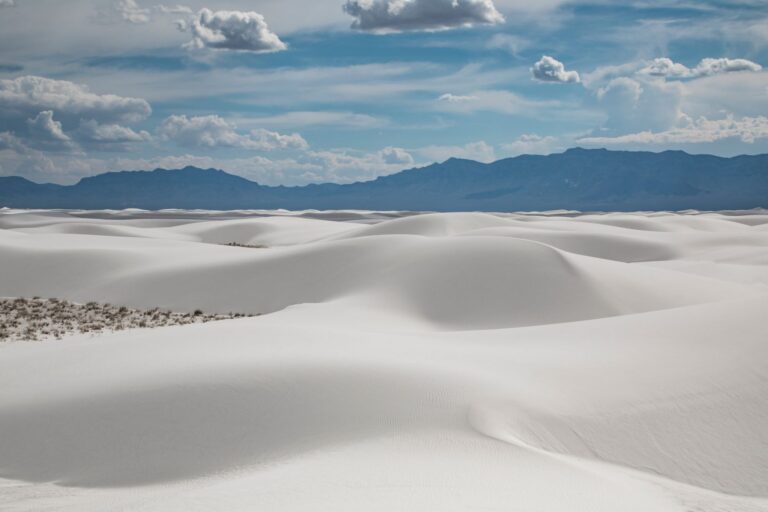


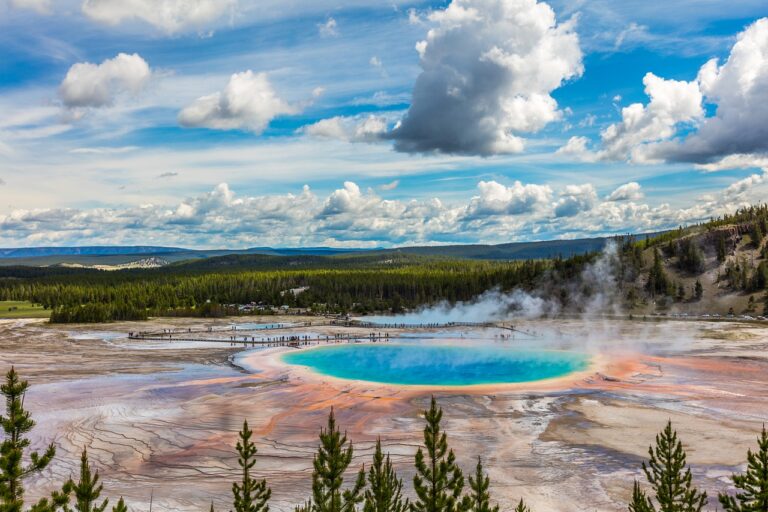

Cities in United States
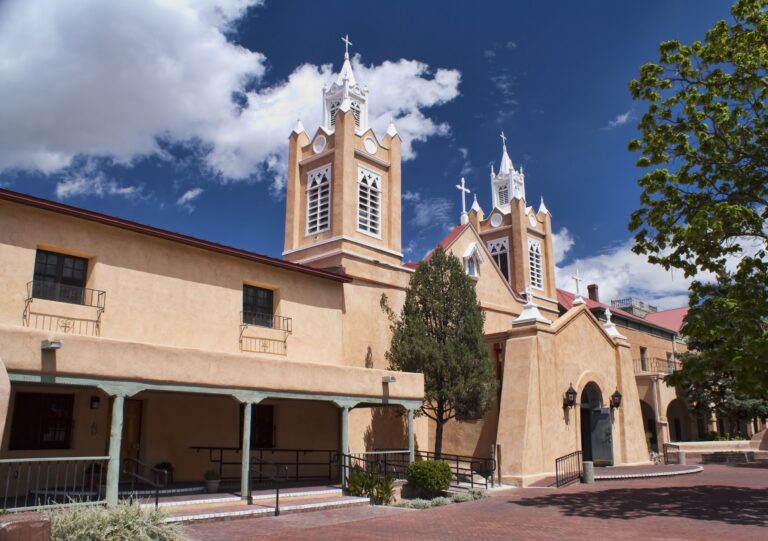
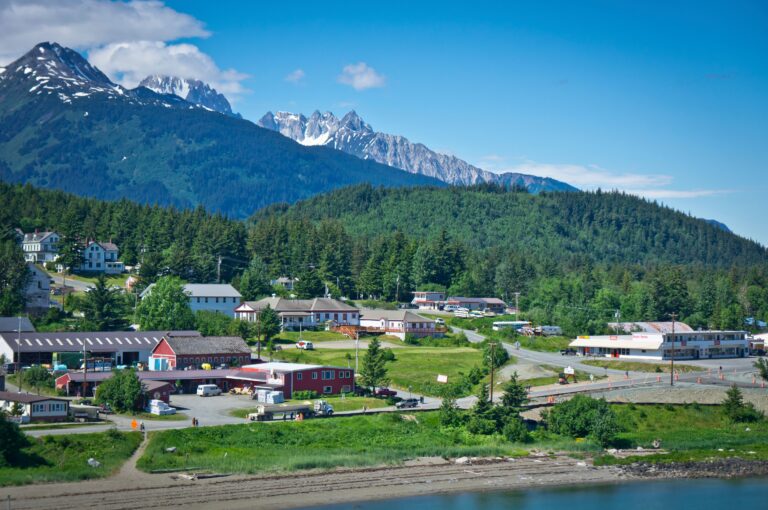






























































About NomadRoute
NomadRoute helps travelers discover destinations, compare flight options, and find competitive fares from trusted airlines and travel providers worldwide. We do not sell airline tickets directly. Instead, we connect travelers with leading booking partners.
Discover More Destinations
Find low fares from trusted travel providers.
Compare options and book directly with partners.
Explore destinations and routes worldwide.
Photo · Mark Stebnicki · Pexels