
Travel Guide to Everglades National Park
Everglades National Park, a UNESCO World Heritage Site, encompasses a breathtaking expanse of wetlands and subtropical wilderness in southern Florida. Covering over 1.5 million acres, it stands as the largest subtropical wilderness in the United States, hosting a rich array of wildlife, including alligators, manatees, and countless bird species. The park's distinctive ecosystem features slow-moving waters, sawgrass marshes, and mangrove forests, making it a paradise for nature enthusiasts and outdoor adventurers.
Visitors to Everglades National Park can engage in various activities such as hiking, canoeing, and birdwatching. The park is home to several visitor centers, including the Ernest F. Coe Visitor Center, where guests can delve into the park's ecology and history. The diverse landscapes provide ample opportunities for photography and wildlife observation, especially during the cooler months when animal activity peaks.
Continue reading the travel guide
Travel Guide to Everglades National Park
When planning a visit, it's essential to bring plenty of water, sunscreen, and insect repellent, as the park can be hot and humid, particularly in the summer. For those seeking a more structured experience, guided tours are available, allowing visitors to gain insights from knowledgeable park rangers and naturalists.
Why Visit?
Everglades National Park offers a rare chance to immerse yourself in one of the world's most vital ecosystems, brimming with diverse wildlife and breathtaking scenery. It's a perfect destination for outdoor activities, photography, and learning about conservation efforts.
Best Time to Visit
The ideal time to visit Everglades National Park is during the dry season, from December to April, when temperatures are cooler and wildlife is more active. Early mornings or late afternoons are particularly good for spotting animals.
Ready to go? Plan your Everglades National Park trip → Good to know →
Plan your trip to Everglades National Park
Flights, accommodation and ways to get around — plan the details that matter to you.
Find flights to Everglades National Park
Nearest recommended airport search point: MIA.
See recent flight offersTo Miami €43From Miami €80
Recent flight offers
Compare available fares and routes for Everglades National Park.
Flights to Miami Arrivals · MIA
Cheap Flights to Miami for Everglades National Park (MIA)
Compare recent fares to Miami, the suggested airport search point for visiting Everglades National Park. Choose a listed deal or use the search box above to check prices from your airport.
Flights from Everglades National Park Departures · MIA
Cheap Flights from Miami (MIA)
Compare the latest low fares from Miami to popular destinations. Prices are updated regularly and may change based on travel dates and availability.
Stay & getting around
Choose a neighbourhood, then decide how you will get from the airport and around the city.
Where to stay Neighbourhoods and accommodation
Where to Stay in Everglades National Park
While there are no accommodations within the park itself, nearby towns such as Homestead and Florida City provide a variety of lodging options. For a more immersive experience, consider camping at designated campgrounds within the park.
Getting around Airport transfers and local transport

Getting Around Everglades National Park
Visitors can access Everglades National Park through its main entrances, with the Ernest F. Coe Visitor Center being the most common. Once inside, the park is best explored by car, bike, or on foot, with several trails and roads leading to key attractions. Guided tours are also available for those who prefer a more informative experience.
Travel essentials
 Stay connected
 Flight delayed or cancelled?
Popular Activities in Everglades National Park
Good to know about Everglades National Park
Map & DirectionsChoose a map
Open Everglades National Park in your preferred map app.




Country factsCapital, language and useful details
Quick Facts
Country
Location
Practical Information
Climate
The United States has a diverse climate, ranging from arctic conditions in Alaska to tropical weather in Florida and Hawaii. Seasonal variations are significant, with each region offering unique weather patterns.
Money
The local currency is the US Dollar (USD). Credit and debit cards are widely accepted, but it's advisable to carry some cash for small purchases, local transport, and in rural areas.
Internet & SIM
Mobile coverage is generally good across urban areas, with various options for purchasing SIM cards or eSIMs available at airports and stores. Wi-Fi is commonly found in hotels, cafes, and public spaces.
Electricity
Voltage: 120 V
Frequency: 60 Hz
Safety
Emergency
911
Explore more in United States
Places to Visit in United States




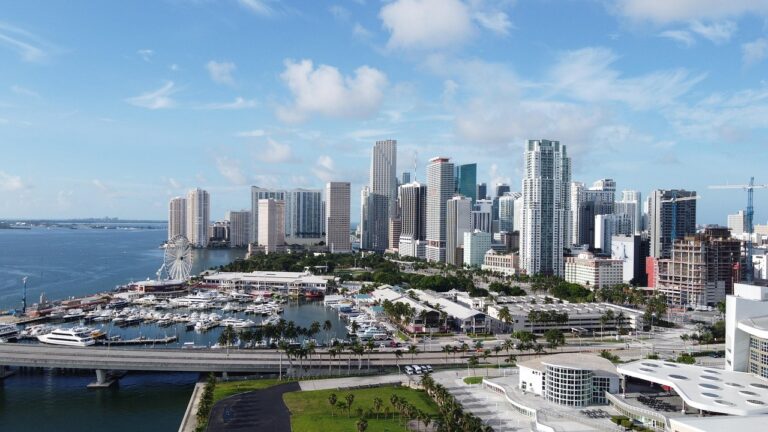

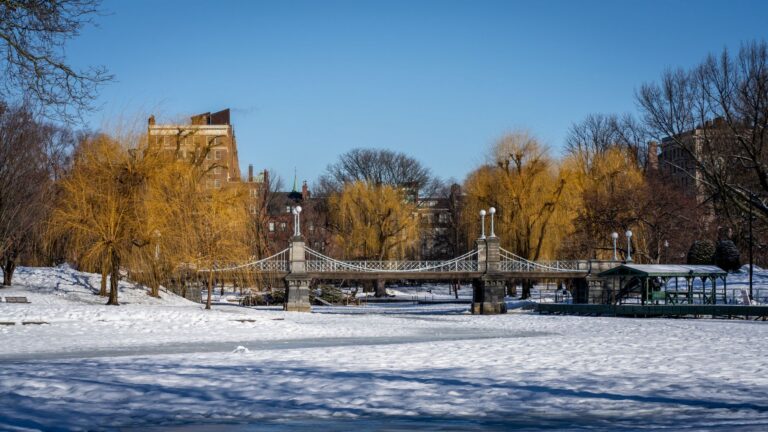
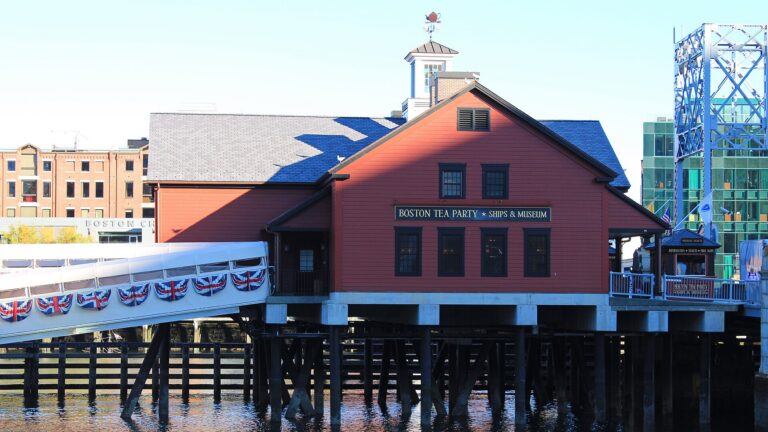
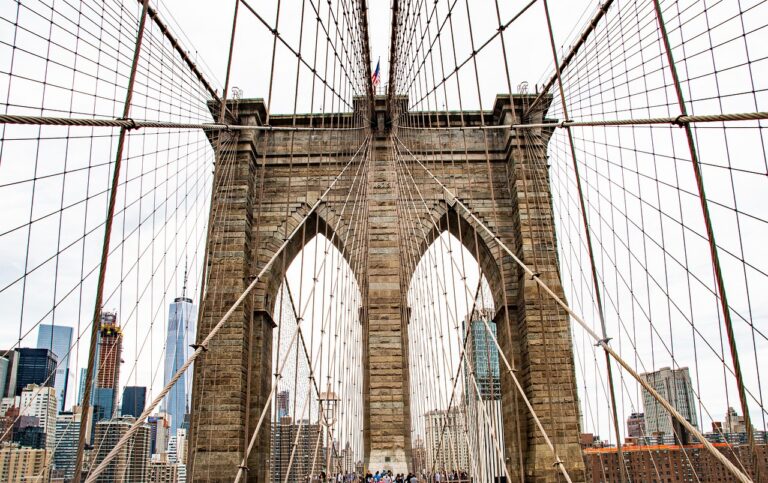



























































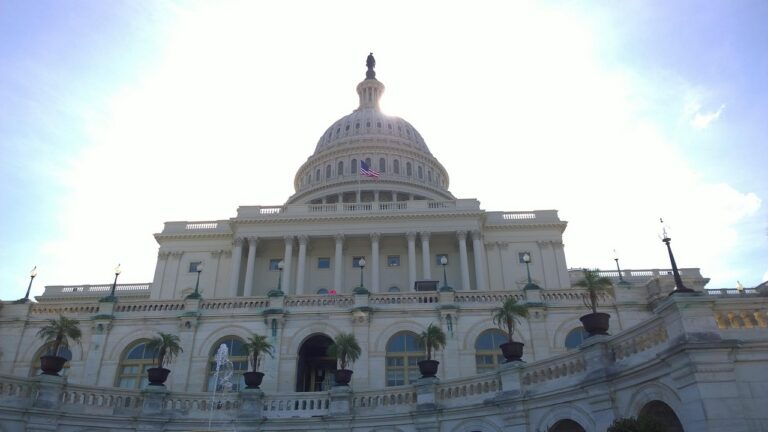


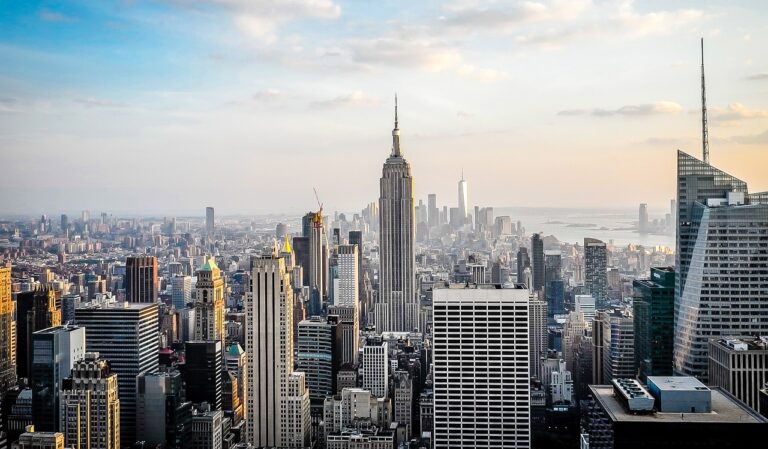






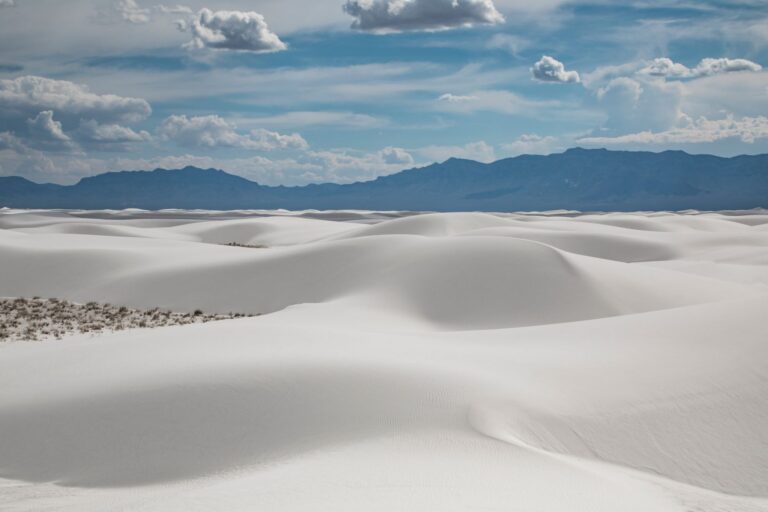


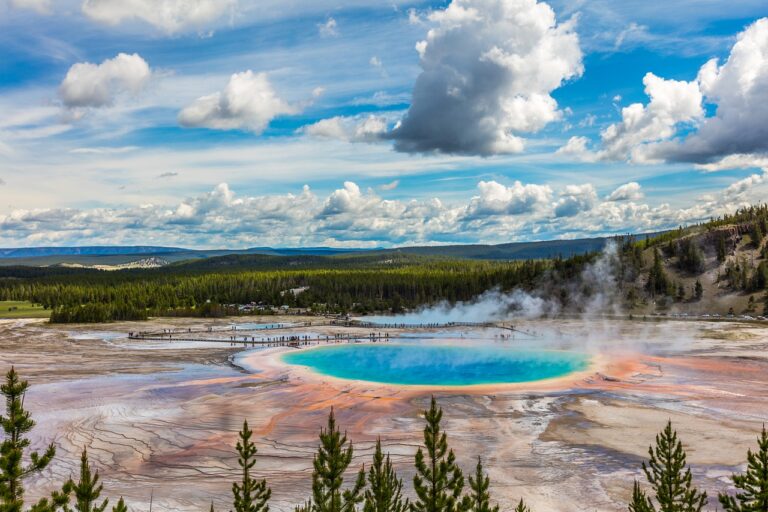
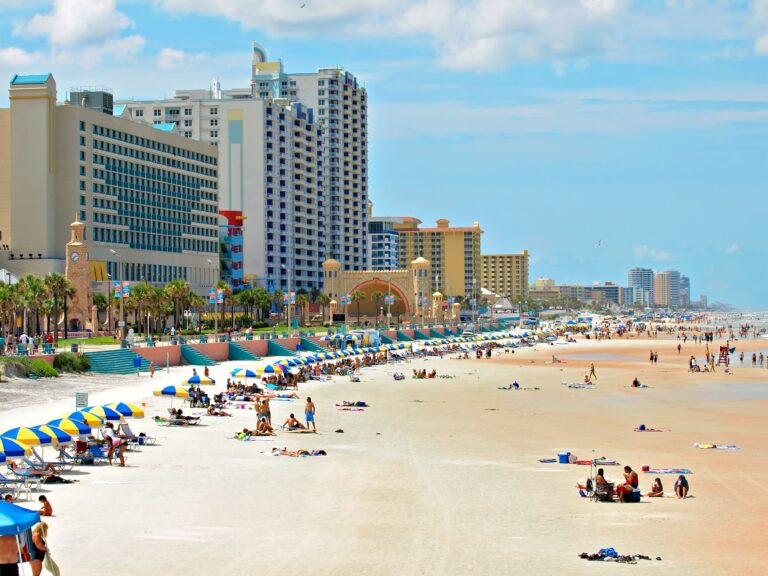
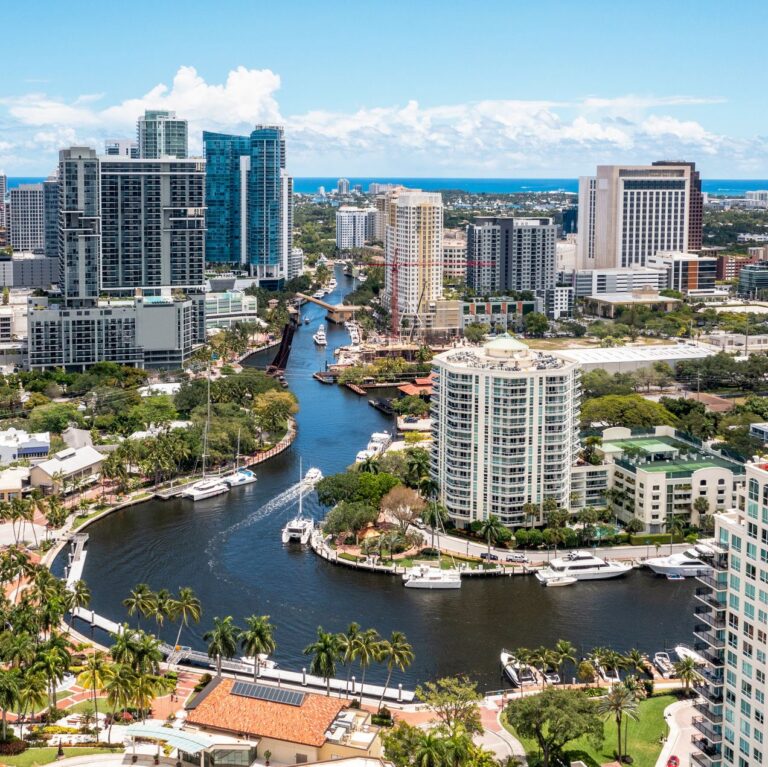
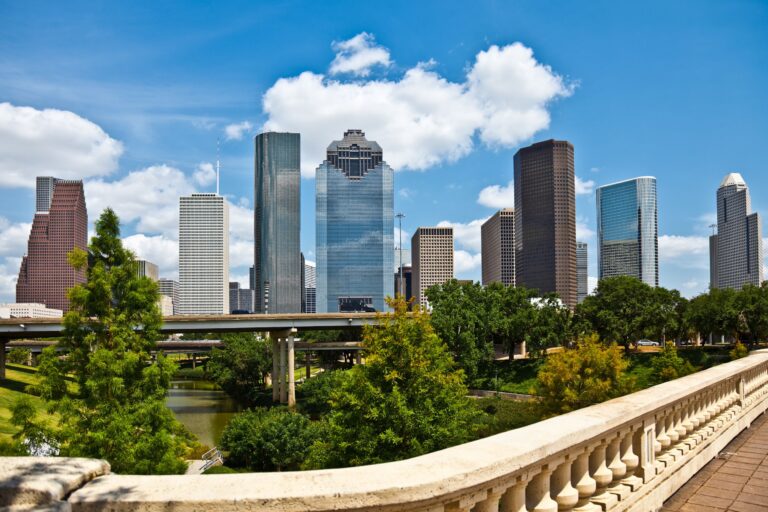
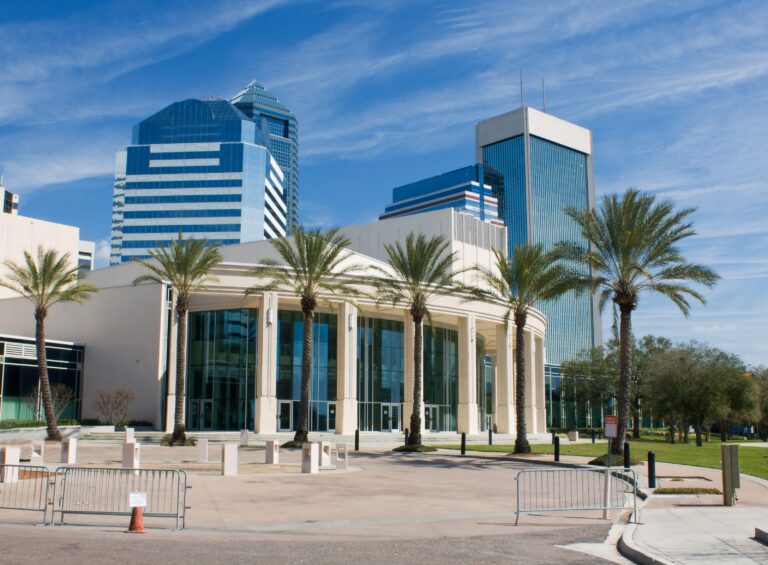
Cities in United States












































About NomadRoute
NomadRoute helps travelers discover destinations, compare flight options, and find competitive fares from trusted airlines and travel providers worldwide. We do not sell airline tickets directly. Instead, we connect travelers with leading booking partners.
Discover More Destinations
Find low fares from trusted travel providers.
Compare options and book directly with partners.
Explore destinations and routes worldwide.