
Travel Guide to Cuba
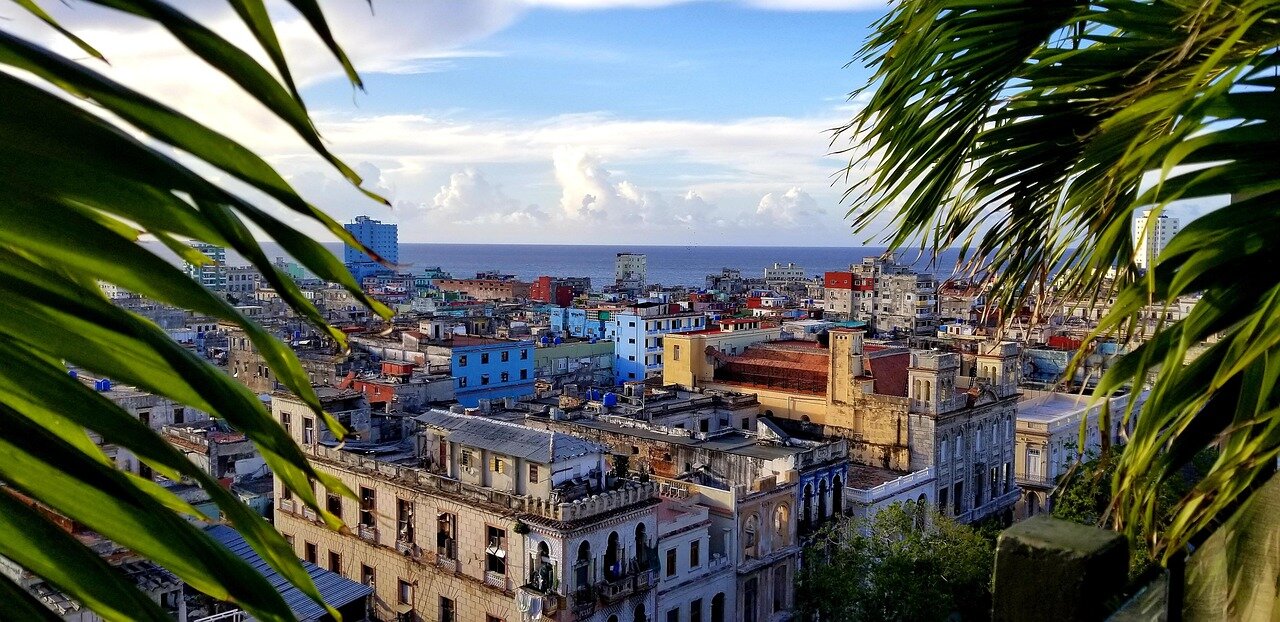
Cuba, the largest island in the Caribbean, boasts a rich tapestry of history, culture, and natural beauty. Its capital, Havana, is a lively city where colonial architecture coexists with modern life, offering visitors a glimpse into the island's storied past. Beyond Havana, cities like Santiago de Cuba and Trinidad reveal distinct regional flavors, music, and traditions that reflect Cuba's diverse heritage.
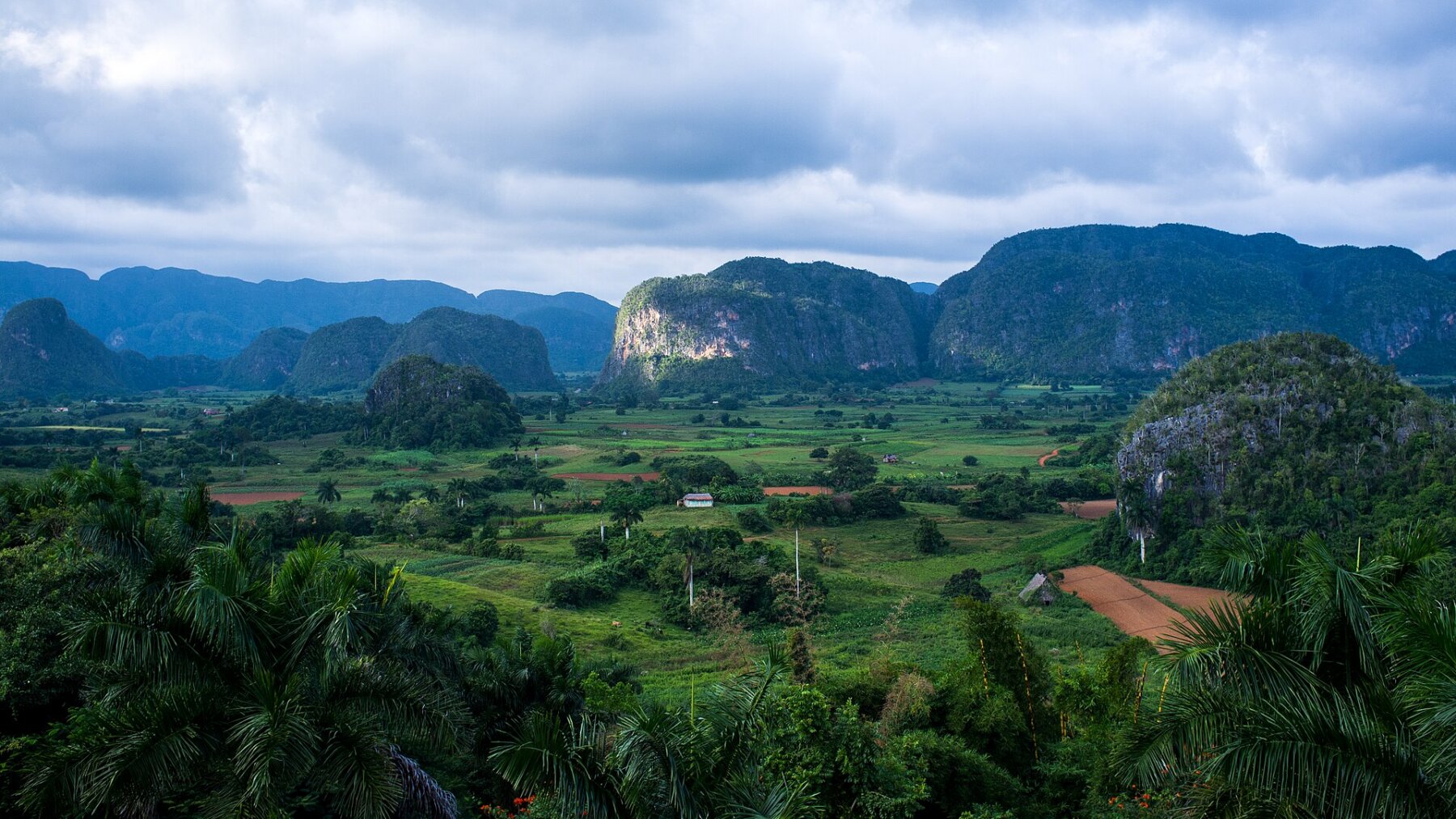
The geography of Cuba is as varied as its culture, featuring beautiful beaches, lush valleys, and the iconic Viñales Valley, famous for its tobacco farms and dramatic limestone mogotes. Outdoor enthusiasts can explore the Sierra Maestra mountains, hike through national parks, or unwind on the pristine shores of Varadero and Cayo Coco. Cuba's cultural scene is vibrant, with music and dance integral to daily life; visitors can enjoy salsa dancing in local clubs or attend a performance at the Gran Teatro de La Habana.
Continue reading the travel guide
Travel Guide to Cuba
Cuba's history is marked by its colonial past and revolutionary spirit. The island is home to several UNESCO World Heritage sites, including Old Havana and its Fortification System, showcasing the architectural grandeur of the Spanish colonial era. Travelers can immerse themselves in the local culture by visiting museums, art galleries, and historical landmarks that narrate Cuba's journey through time. From the colorful streets of Havana to the serene landscapes of the countryside, Cuba offers a unique travel experience that leaves a lasting impression.
Why Visit?
Cuba is a destination that seamlessly blends history, culture, and natural beauty. Explore the vibrant streets of Havana, the colonial charm of Trinidad, and the breathtaking landscapes of Viñales Valley. With its rich musical heritage, delicious cuisine, and warm hospitality, Cuba promises an unforgettable travel experience filled with unique adventures.
Best Time to Visit
The best time to visit Cuba is during the dry season, which runs from November to April. This period offers pleasant weather ideal for outdoor activities and sightseeing. However, it coincides with peak tourist season, leading to larger crowds and higher prices. For a quieter experience, consider visiting in late spring or early autumn when the weather remains warm but tourist numbers are lower. Be mindful of the hurricane season from June to November, especially if planning to explore coastal areas.
Cuba highlights

View all
Top Attractions in Cuba
- Old Havana
- Viñales Valley
- Trinidad
- Varadero Beach
- Sierra Maestra
- Gran Teatro de La Habana
- Cayo Coco
- Santiago de Cuba
- Museum of the Revolution
- Castillo del Morro
Ready to go? Plan your Cuba trip → Good to know →
Plan your trip to Cuba
Flights, accommodation and ways to get around — plan the details that matter to you.
Find flights to Cuba
Suggested airport search point: HAV.
See recent flight offersTo Havana €213From Havana €250
Recent flight offers
Compare available fares and routes for Cuba.
Flights to Havana Arrivals · HAV
Cheap Flights to Havana for Cuba (HAV)
Compare recent fares to Havana, the suggested airport search point for visiting Cuba. Choose a listed deal or use the search box above to check prices from your airport.
Flights from Cuba Departures · HAV
Cheap Flights from Havana (HAV)
Compare the latest low fares from Havana to popular destinations. Prices are updated regularly and may change based on travel dates and availability.
Stay & getting around
Choose a neighbourhood, then decide how you will get from the airport and around the city.
Where to stay Neighbourhoods and accommodation
Getting around Airport transfers and local transport

Travel essentials
 Stay connected
 Flight delayed or cancelled?
Popular Activities in Cuba
Good to know about Cuba
Map & DirectionsChoose a map
Open Cuba in your preferred map app.




Country factsCapital, language and useful details
Quick Facts
Country
Location
Practical Information
Climate
Cuba has a tropical climate characterized by warm temperatures year-round. The dry season from November to April is ideal for travel, while the wet season from May to October can bring heavy rains and humidity.
Money
The local currency is CUC - Peso Convertible, CUP - Cuban Peso. Cards are accepted in many places, but carrying some cash can be useful for small purchases, local transport, and rural areas.
Internet & SIM
Mobile coverage is generally good in urban areas, with several providers offering SIM and eSIM options for tourists. Wi-Fi is available in many hotels and public areas, although access may be limited in rural regions.
Electricity
Voltage: 110 / 220 V
Frequency: 60 Hz
Safety
Emergency
106 / 104 / 105
Frequently Asked Travel Questions
What is the best time to visit Cuba?
The best time to visit Cuba is from November to April, during the dry season, when the weather is pleasant and ideal for outdoor activities.
What currency is used in Cuba?
Cuba uses the CUC (Peso Convertible) and CUP (Cuban Peso). While cards are accepted in many places, it's advisable to carry cash for smaller purchases.
What are the main airports in Cuba?
The main international airport is José Martí International Airport (HAV) in Havana, with other significant airports in Varadero, Santiago de Cuba, and Holguín.
Is Cuba safe for tourists?
Cuba is generally safe for tourists, but it's important to remain vigilant, secure your belongings, and follow local guidance.
Do I need a visa to visit Cuba?
Most travelers require a tourist card to enter Cuba, which can be obtained through airlines or travel agencies. It's best to check the specific entry requirements based on your nationality.
Explore more in Cuba
Places to Visit in Cuba






Cities in Cuba



About NomadRoute
NomadRoute helps travelers discover destinations, compare flight options, and find competitive fares from trusted airlines and travel providers worldwide. We do not sell airline tickets directly. Instead, we connect travelers with leading booking partners.
Discover More Destinations
Find low fares from trusted travel providers.
Compare options and book directly with partners.
Explore destinations and routes worldwide.