
Travel Guide to The Malecón
The Malecón stretches along the coast of Havana, offering a picturesque view of the Gulf of Mexico and the city's iconic skyline. This famous esplanade is not just a walkway; it serves as a social hub for both locals and visitors. As you stroll along the Malecón, you'll encounter fishermen casting their lines, families enjoying picnics, and couples taking romantic evening walks. The atmosphere is particularly lively during sunset when the sky transforms into a canvas of vibrant colors.
Historically, the Malecón has been a witness to many significant events in Cuba's past, from celebrations to protests. It reflects the spirit of the Cuban people and their connection to the sea. Along the promenade, you'll find various sculptures and monuments that add to its cultural richness, making it a perfect spot for photography and leisurely exploration.
Continue reading the travel guide
Travel Guide to The Malecón
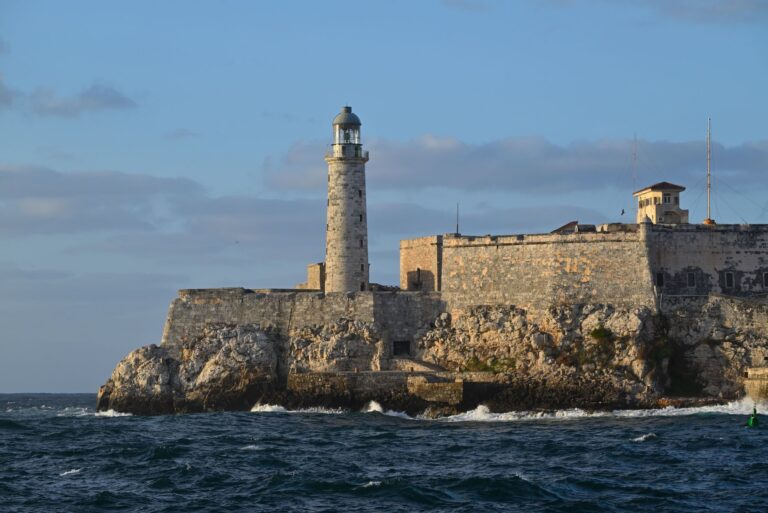
Visitors can expect to see a blend of architectural styles, from colonial buildings to modern structures, showcasing Havana's diverse history. The Malecón is also a great starting point for exploring nearby attractions, such as the historic Old Havana and the famous Castillo del Morro, which guards the entrance to the harbor. Whether you're looking to relax, socialize, or soak in the local culture, the Malecón is a must-visit destination in Havana.
Why Visit?
Visiting the Malecón offers an authentic glimpse into Havana's vibrant life, with its stunning coastal views, rich history, and lively atmosphere. It's the perfect place to experience the local culture, enjoy a leisurely stroll, and capture breathtaking sunset moments.
Best Time to Visit
The best time to visit the Malecón is during the cooler months from November to April, when the weather is pleasant and ideal for outdoor activities. Early mornings and late afternoons are particularly enjoyable for walks, as you can witness stunning sunrises or sunsets over the ocean.
Ready to go? Plan your The Malecón trip → Good to know →
Plan your trip to The Malecón
Flights, accommodation and ways to get around — plan the details that matter to you.
Find flights to The Malecón
Nearest recommended airport search point: HAV.
See recent flight offersTo Havana €193From Havana €246
Recent flight offers
Compare available fares and routes for The Malecón.
Flights to Havana Arrivals · HAV
Cheap Flights to Havana for The Malecón (HAV)
Compare recent fares to Havana, the suggested airport search point for visiting The Malecón. Choose a listed deal or use the search box above to check prices from your airport.
Flights from The Malecón Departures · HAV
Cheap Flights from Havana (HAV)
Compare the latest low fares from Havana to popular destinations. Prices are updated regularly and may change based on travel dates and availability.
Stay & getting around
Choose a neighbourhood, then decide how you will get from the airport and around the city.
Where to stay Neighbourhoods and accommodation
Where to Stay in The Malecón
For a convenient stay, consider accommodations in Old Havana, where you'll find a range of hotels and guesthouses. This area is not only close to the Malecón but also rich in history and culture, making it an ideal base for exploring the city.
Getting around Airport transfers and local transport

Getting Around The Malecón
Reaching the Malecón is easy, as it is centrally located in Havana and accessible by taxi or public transportation. Once there, walking is the best way to explore the promenade and nearby attractions. Bicycles and classic cars are also popular for getting around the city.
Travel essentials
 Stay connected
 Flight delayed or cancelled?
Popular Activities in The Malecón
Good to know about The Malecón
Map & DirectionsChoose a map
Open The Malecón in your preferred map app.




Country factsCapital, language and useful details
Quick Facts
Country
Location
Practical Information
Climate
Cuba has a tropical climate characterized by warm temperatures year-round. The dry season from November to April is ideal for travel, while the wet season from May to October can bring heavy rains and humidity.
Money
The local currency is CUC - Peso Convertible, CUP - Cuban Peso. Cards are accepted in many places, but carrying some cash can be useful for small purchases, local transport, and rural areas.
Internet & SIM
Mobile coverage is generally good in urban areas, with several providers offering SIM and eSIM options for tourists. Wi-Fi is available in many hotels and public areas, although access may be limited in rural regions.
Electricity
Voltage: 110 / 220 V
Frequency: 60 Hz
Safety
Emergency
106 / 104 / 105
Explore more in Cuba
Places to Visit in Cuba
Cities in Cuba

About NomadRoute
NomadRoute helps travelers discover destinations, compare flight options, and find competitive fares from trusted airlines and travel providers worldwide. We do not sell airline tickets directly. Instead, we connect travelers with leading booking partners.
Discover More Destinations
Find low fares from trusted travel providers.
Compare options and book directly with partners.
Explore destinations and routes worldwide.