
Travel Guide to Santiago de Cuba
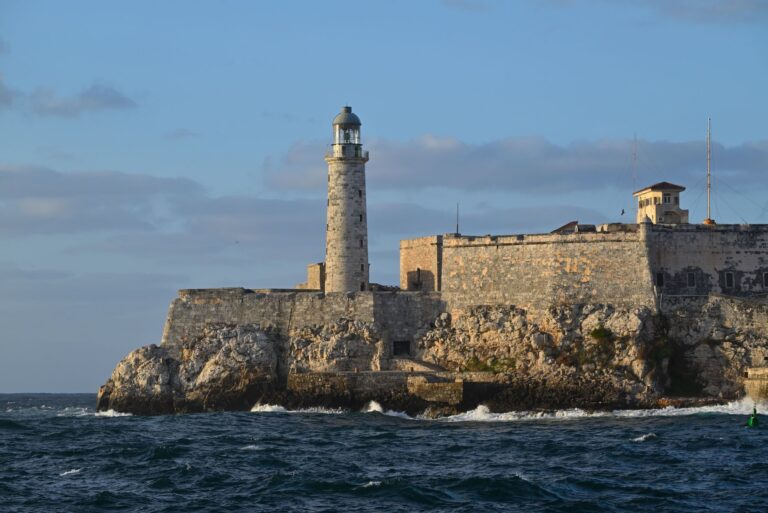
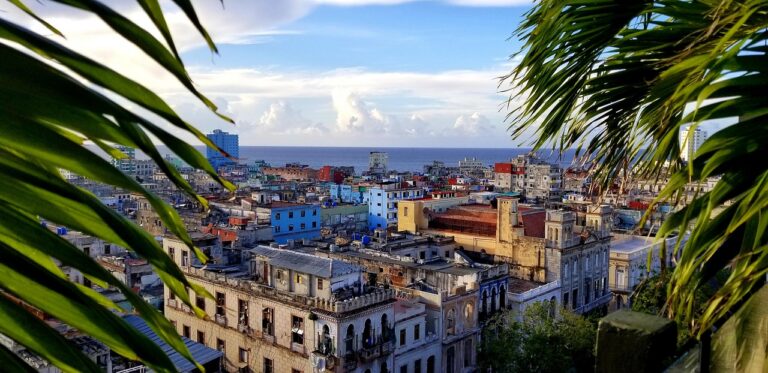
Santiago de Cuba, the second-largest city in Cuba, is a captivating destination steeped in history and culture. Nestled on the southeastern coast, this city is renowned for its colonial architecture, vibrant music scene, and significant role in the Cuban Revolution. Visitors can explore the historic streets lined with colorful buildings, visit the iconic Castillo del Morro, and immerse themselves in the local culture at lively plazas and markets.
The city is also famous for its unique blend of African, Spanish, and Caribbean influences, which can be experienced through its music, dance, and cuisine. The annual Carnaval de Santiago de Cuba, held in July, showcases the city's festive spirit with parades, music, and dance, making it a must-see event for visitors.
Continue reading the travel guide
Travel Guide to Santiago de Cuba
For those interested in history, Santiago de Cuba offers numerous museums and sites that highlight its revolutionary past, including the Moncada Barracks and the Cementerio de Santa Ifigenia, where the national hero José Martí is buried. The surrounding natural beauty, with the Sierra Maestra mountains nearby, provides opportunities for hiking and exploring the lush landscapes.
Whether you're wandering through the historic center, enjoying the local cuisine, or experiencing the vibrant nightlife, Santiago de Cuba promises a rich and memorable travel experience.
Why Visit?
Santiago de Cuba is a must-visit for its rich cultural heritage, historical significance, and vibrant atmosphere. The city's unique blend of music, dance, and culinary delights, along with its stunning colonial architecture, offers a captivating experience for all travelers.
Best Time to Visit
The best time to visit Santiago de Cuba is from December to April when the weather is cooler and drier. This period is ideal for exploring the city and enjoying outdoor activities. However, if you're interested in experiencing the vibrant Carnaval, plan your visit for July.
Ready to go? Plan your Santiago de Cuba trip → Good to know →
Plan your trip to Santiago de Cuba
Flights, accommodation and ways to get around — plan the details that matter to you.
Find flights to Santiago de Cuba
Nearest recommended airport search point: HAV.
See recent flight offersTo Havana €193From Havana €246
Recent flight offers
Compare available fares and routes for Santiago de Cuba.
Flights to Havana Arrivals · HAV
Cheap Flights to Havana for Santiago de Cuba (HAV)
Compare recent fares to Havana, the suggested airport search point for visiting Santiago de Cuba. Choose a listed deal or use the search box above to check prices from your airport.
Flights from Santiago de Cuba Departures · HAV
Cheap Flights from Havana (HAV)
Compare the latest low fares from Havana to popular destinations. Prices are updated regularly and may change based on travel dates and availability.
Stay & getting around
Choose a neighbourhood, then decide how you will get from the airport and around the city.
Where to stay Neighbourhoods and accommodation
Where to Stay in Santiago de Cuba
For a convenient stay, consider accommodations in the historic center of Santiago de Cuba, where you'll find a range of hotels and guesthouses that offer easy access to major attractions and local dining options.
Getting around Airport transfers and local transport

Getting Around Santiago de Cuba
Travelers can reach Santiago de Cuba via the Antonio Maceo International Airport (HAV), which is about 10 km from the city center. Once in the city, options for getting around include taxis, local buses, and walking, especially in the compact historic district where many attractions are within easy reach.
Travel essentials
 Stay connected
 Flight delayed or cancelled?
Popular Activities in Santiago de Cuba
Good to know about Santiago de Cuba
Country factsCapital, language and useful details
Quick Facts
Country
Location
Practical Information
Climate
Cuba has a tropical climate characterized by warm temperatures year-round. The dry season from November to April is ideal for travel, while the wet season from May to October can bring heavy rains and humidity.
Money
The local currency is CUC - Peso Convertible, CUP - Cuban Peso. Cards are accepted in many places, but carrying some cash can be useful for small purchases, local transport, and rural areas.
Internet & SIM
Mobile coverage is generally good in urban areas, with several providers offering SIM and eSIM options for tourists. Wi-Fi is available in many hotels and public areas, although access may be limited in rural regions.
Electricity
Voltage: 110 / 220 V
Frequency: 60 Hz
Safety
Emergency
106 / 104 / 105
Explore more in Cuba
Places to Visit in Cuba


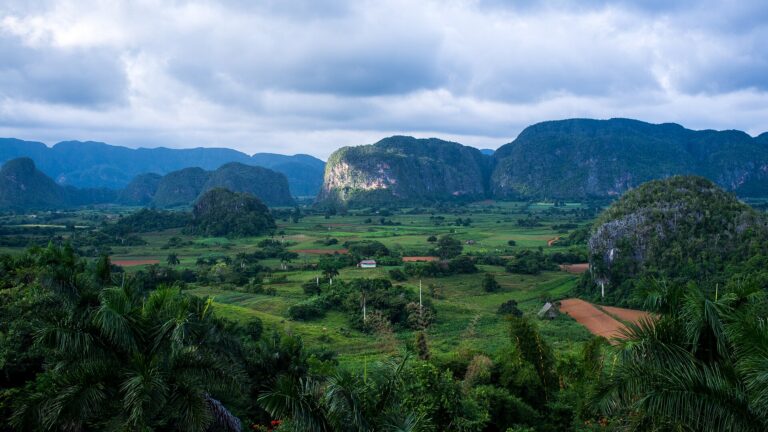
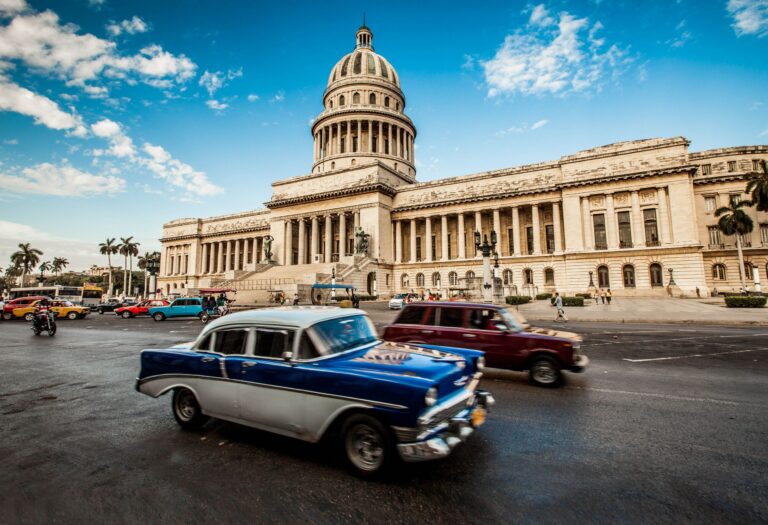
Cities in Cuba

About NomadRoute
NomadRoute helps travelers discover destinations, compare flight options, and find competitive fares from trusted airlines and travel providers worldwide. We do not sell airline tickets directly. Instead, we connect travelers with leading booking partners.
Discover More Destinations
Find low fares from trusted travel providers.
Compare options and book directly with partners.
Explore destinations and routes worldwide.
Photo · Reinhard Bruckner · Pexels