
Travel Guide to Tikal
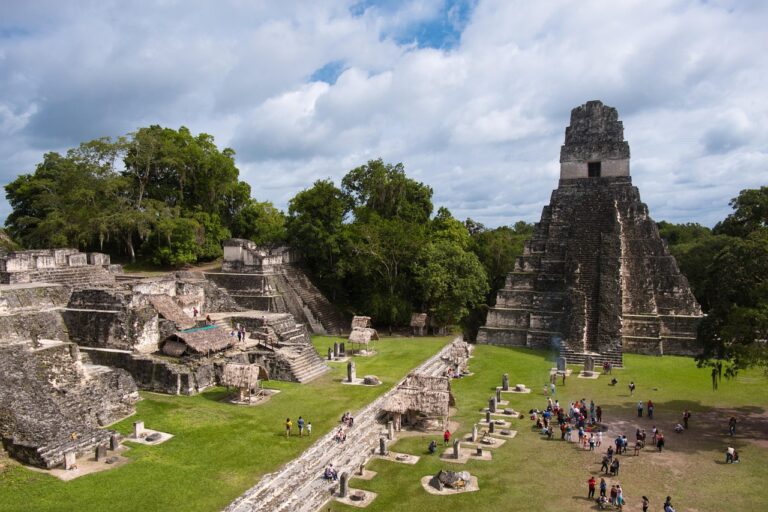
Tikal, one of the largest and most significant archaeological sites of the Mayan civilization, is located in the heart of Guatemala's rainforest. This UNESCO World Heritage site boasts towering pyramids, ancient temples, and a rich biodiversity that enchants visitors. The atmosphere is a captivating blend of history and nature, where the echoes of the past resonate amidst the sounds of the jungle.
Visitors to Tikal can explore its vast grounds, which cover over 16 square kilometers, featuring iconic structures such as Temple I, also known as Temple of the Great Jaguar, and Temple II, the Temple of the Masks. Each structure offers a glimpse into the architectural prowess of the Mayans and their deep connection to the cosmos. The site is also home to diverse wildlife, including howler monkeys, toucans, and various species of orchids, making it a paradise for nature lovers.
Continue reading the travel guide
Travel Guide to Tikal
To make the most of your visit, consider joining a guided tour that can provide insights into the history and significance of the ruins. The best time to visit is during the dry season, from November to April, when the weather is more favorable for exploration. Be sure to wear comfortable shoes and bring plenty of water, as the site requires a fair amount of walking.
Tikal is not only a testament to the ingenuity of the Mayan civilization but also a place where visitors can immerse themselves in the beauty of Guatemala's natural landscape. Its proximity to other attractions, such as the picturesque town of Flores and the stunning Lake Petén Itzá, makes it an essential stop on any Guatemalan itinerary.
Why Visit?
Tikal is a must-visit for history enthusiasts and nature lovers alike, offering a unique opportunity to explore ancient Mayan ruins set in a breathtaking jungle environment. The site's grandeur and historical significance provide a profound insight into the Mayan civilization, making it an unforgettable experience.
Best Time to Visit
The ideal time to visit Tikal is during the dry season, from November to April, when the weather is pleasant for exploring the site. Early mornings or late afternoons are also recommended to avoid the heat and enjoy the wildlife.
Ready to go? Plan your Tikal trip → Good to know →
Plan your trip to Tikal
Flights, accommodation and ways to get around — plan the details that matter to you.
Find flights to Tikal
Nearest recommended airport search point: FRS.
See recent flight offersTo Flores €193From Flores €602
Recent flight offers
Compare available fares and routes for Tikal.
Flights to Flores Arrivals · FRS
Cheap Flights to Flores for Tikal (FRS)
Compare recent fares to Flores, the suggested airport search point for visiting Tikal. Choose a listed deal or use the search box above to check prices from your airport.
Flights from Tikal Departures · FRS
Cheap Flights from Flores (FRS)
Compare the latest low fares from Flores to popular destinations. Prices are updated regularly and may change based on travel dates and availability.
Stay & getting around
Choose a neighbourhood, then decide how you will get from the airport and around the city.
Where to stay Neighbourhoods and accommodation
Where to Stay in Tikal
The nearest town for accommodations is Flores, located about an hour's drive from Tikal. Flores offers a range of hotels and guesthouses, making it a convenient base for exploring the archaeological site.
Getting around Airport transfers and local transport

Getting Around Tikal
To reach Tikal, most visitors fly into Mundo Maya International Airport (FRS) and then take a shuttle or taxi to the site. Once at Tikal, walking is the primary way to navigate the expansive grounds, so be prepared for some hiking.
Travel essentials
 Stay connected
 Flight delayed or cancelled?
Popular Activities in Tikal
Good to know about Tikal
Map & DirectionsChoose a map
Open Tikal in your preferred map app.




Country factsCapital, language and useful details
Quick Facts
Country
Location
Practical Information
Climate
Guatemala has a diverse climate that varies by region and altitude. Generally, the country experiences a tropical climate with a wet season from May to October and a dry season from November to April, making it essential to check local conditions before planning your visit.
Money
The local currency is GTQ - Quetzal. Cards are accepted in many places, but carrying some cash can be useful for small purchases, local transport, and in rural areas where card acceptance may be limited.
Internet & SIM
Mobile coverage is generally good in urban areas, with several local providers offering SIM and eSIM options for tourists. Wi-Fi is available in many hotels and cafes, but connectivity may be limited in remote regions.
Electricity
Voltage: 120 V
Frequency: 60 Hz
Safety
Emergency
911
Explore more in Guatemala
Places to Visit in Guatemala
Cities in Guatemala
About NomadRoute
NomadRoute helps travelers discover destinations, compare flight options, and find competitive fares from trusted airlines and travel providers worldwide. We do not sell airline tickets directly. Instead, we connect travelers with leading booking partners.
Discover More Destinations
Find low fares from trusted travel providers.
Compare options and book directly with partners.
Explore destinations and routes worldwide.