
Travel Guide to The ancient city of Palmyra
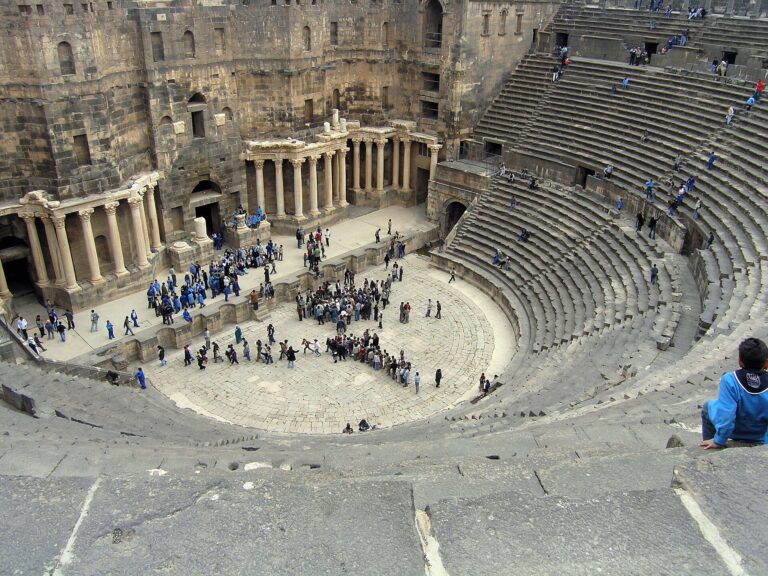
The ancient city of Palmyra, often referred to as the 'Pearl of the Desert', is a remarkable archaeological site situated in the heart of Syria. This once-thriving metropolis was a vital trading hub between the Roman Empire and the East, flourishing from the 1st to the 3rd centuries AD. Visitors to Palmyra can explore its impressive ruins, which include the grand Temple of Bel, the monumental Arch of Triumph, and the well-preserved Roman theater, all set against a backdrop of stunning desert landscapes.
Palmyra's historical significance is profound, as it showcases the architectural ingenuity of the Romans and the cultural exchanges that occurred along ancient trade routes. The site is not only a testament to the city's former glory but also a symbol of resilience, having endured various challenges throughout its history. As you wander through the ancient streets, you can almost hear the echoes of merchants and travelers who once populated this vibrant city.
Continue reading the travel guide
Travel Guide to The ancient city of Palmyra
When planning your visit, it's essential to consider the best times to explore Palmyra, typically during the cooler months from October to April. The site is accessible from the nearest airport in Palmyra (PMS), and while there are limited accommodation options directly in the area, nearby towns offer various lodging choices. Visitors should also be prepared for the desert climate, which can be quite hot during the summer months.
Overall, Palmyra offers a unique glimpse into the past, making it a must-visit destination for history enthusiasts and travelers seeking to experience the grandeur of ancient civilizations.
Why Visit?
Visiting the ancient city of Palmyra allows you to step back in time and witness the grandeur of Roman architecture amidst a stunning desert landscape. Its rich history and cultural significance make it an essential destination for anyone interested in archaeology and ancient civilizations.
Best Time to Visit
The best time to visit Palmyra is between October and April when the weather is cooler and more pleasant for exploring the archaeological site. Early mornings or late afternoons are ideal for avoiding the midday heat.
Ready to go? Plan your The ancient city of Palmyra trip → Good to know →
Plan your trip to The ancient city of Palmyra
Flights, accommodation and ways to get around — plan the details that matter to you.
Find flights to The ancient city of Palmyra
Nearest recommended airport search point: PMS.
See recent flight offers
Recent flight offers
Compare available fares and routes for The ancient city of Palmyra.
Stay & getting around
Choose a neighbourhood, then decide how you will get from the airport and around the city.
Where to stay Neighbourhoods and accommodation
Where to Stay in The ancient city of Palmyra
While there are limited accommodations directly in Palmyra, nearby towns such as Tadmur offer various lodging options, making them a practical base for exploring the ancient site.
Getting around Airport transfers and local transport

Getting Around The ancient city of Palmyra
Palmyra is accessible via the nearest airport in Palmyra (PMS), with local transportation options available to reach the archaeological site. Once there, the site is best explored on foot, allowing visitors to fully appreciate the grandeur of the ruins.
Travel essentials
 Stay connected
 Flight delayed or cancelled?
Popular Activities in The ancient city of Palmyra
Good to know about The ancient city of Palmyra
Map & DirectionsChoose a map
Open The ancient city of Palmyra in your preferred map app.




Country factsCapital, language and useful details
Quick Facts
Country
Location
Practical Information
Climate
Syria has a diverse climate, with a Mediterranean climate along the coast and a more arid climate in the interior. Summers can be hot, while winters are mild to cool, especially in the mountainous regions.
Money
The local currency is the Syrian Pound (SYP). Cards are accepted in many places, but carrying some cash can be useful for small purchases, local transport, and rural areas.
Internet & SIM
Mobile coverage is available in urban areas, and SIM cards can be purchased easily. Wi-Fi is accessible in many hotels and cafes, but connectivity may be limited in remote regions.
Electricity
Voltage: 220 V
Frequency: 50 Hz
Safety
Emergency
112 / 110
Explore more in Syria
Places to Visit in Syria
Cities in Syria
About NomadRoute
NomadRoute helps travelers discover destinations, compare flight options, and find competitive fares from trusted airlines and travel providers worldwide. We do not sell airline tickets directly. Instead, we connect travelers with leading booking partners.
Discover More Destinations
Find low fares from trusted travel providers.
Compare options and book directly with partners.
Explore destinations and routes worldwide.