
Travel Guide to Syria
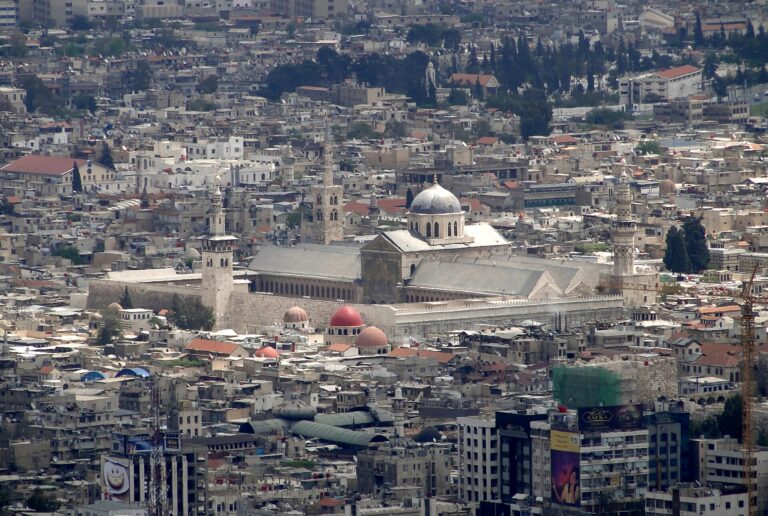
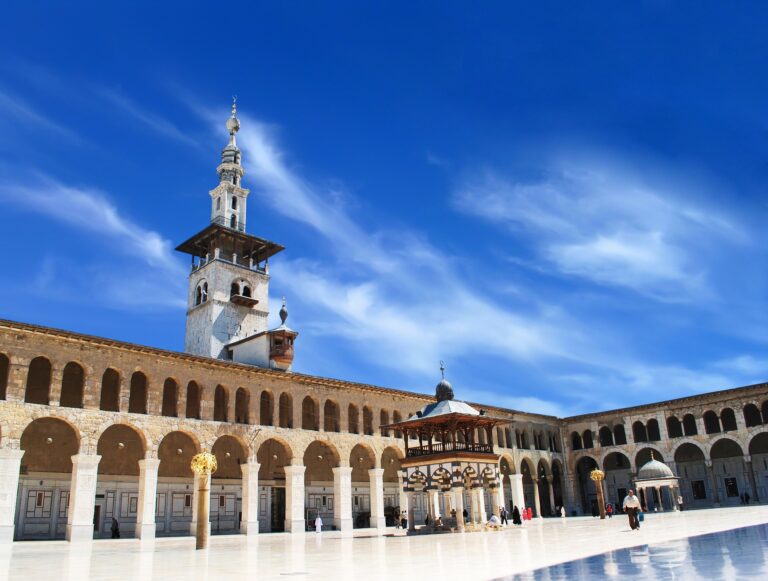
Syria is a captivating destination that offers a unique blend of history, culture, and diverse landscapes. The capital, Damascus, is one of the oldest continuously inhabited cities in the world, where ancient architecture meets modern life. Visitors can explore the Umayyad Mosque, a stunning example of Islamic architecture, and wander through the bustling markets of the Old City.
The ancient city of Palmyra, a UNESCO World Heritage site, showcases remarkable Roman ruins that tell the story of a once-thriving trade hub. Aleppo, known for its historic Citadel and rich culinary traditions, invites travelers to experience its vibrant atmosphere. The Krak des Chevaliers, another UNESCO site, stands as one of the best-preserved medieval castles in the world, offering breathtaking views of the surrounding landscape.
Continue reading the travel guide
Travel Guide to Syria
Syria's geography is as diverse as its history, with coastal Mediterranean regions, arid deserts, and mountainous areas. The country's rich cultural tapestry is reflected in its festivals, music, and cuisine, making it a fascinating destination for travelers seeking authentic experiences. Whether you're exploring archaeological sites, savoring local dishes, or immersing yourself in the vibrant culture, Syria promises a memorable journey.
Why Visit?
Syria is a treasure trove for history buffs and cultural enthusiasts. From the ancient ruins of Palmyra to the vibrant streets of Aleppo, each city offers a unique glimpse into the past. The stunning landscapes, rich culinary traditions, and warm hospitality of the Syrian people make it a compelling choice for travelers looking for an authentic experience.
Best Time to Visit
The best time to visit Syria is during the spring (March to May) and fall (September to November). During these months, temperatures are mild and pleasant, making it ideal for exploring the country's rich historical sites and vibrant cities. Summer can be extremely hot, particularly in the interior regions, while winter brings cooler temperatures, especially in the mountainous areas. Travelers should consider these seasonal variations when planning their trip to ensure a comfortable experience.
View all
Top Attractions in Syria
- The ancient city of Palmyra
- The Umayyad Mosque in Damascus
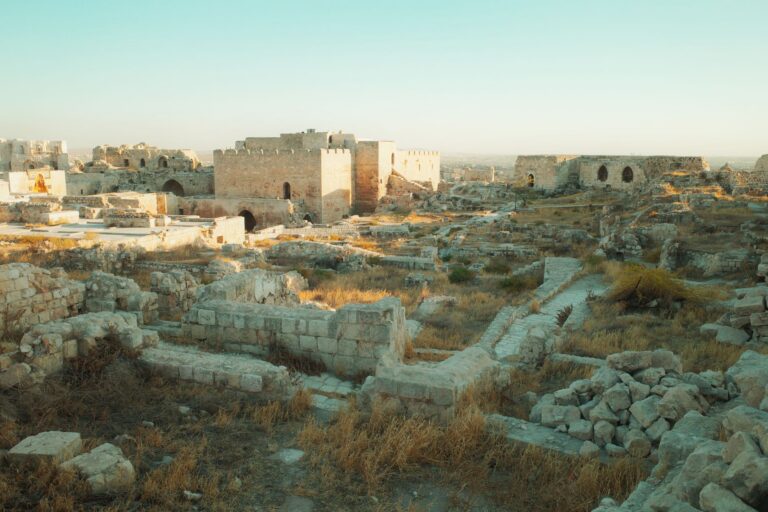
- The Citadel of Aleppo
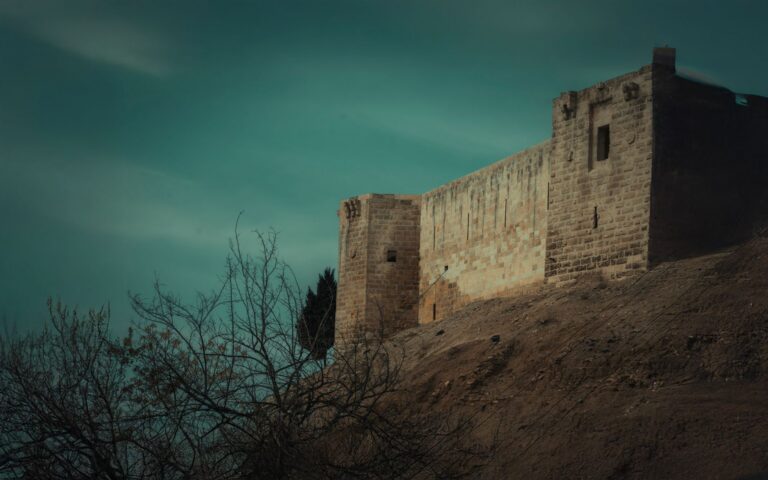
- The Krak des Chevaliers
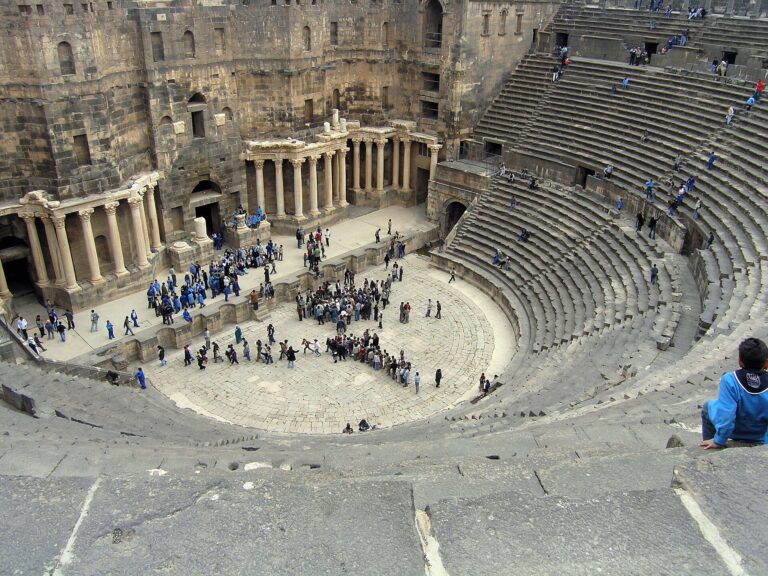
- The Roman Theatre in Bosra
- The Old City of Damascus
- The National Museum of Damascus
- The Crusader Castle of Margat
- The city of Homs
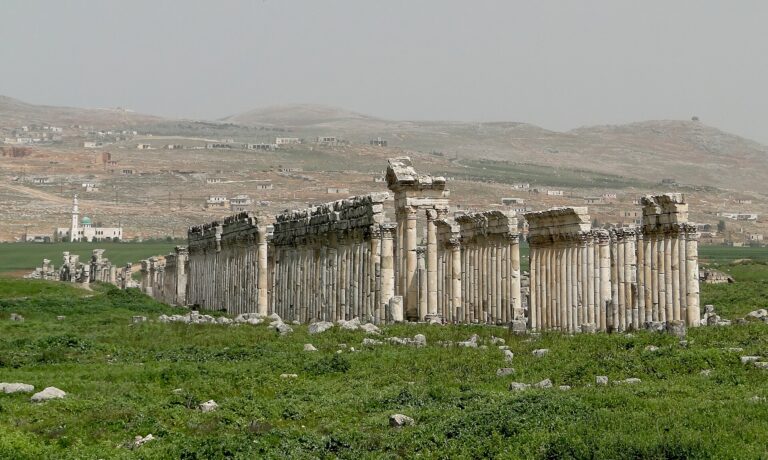
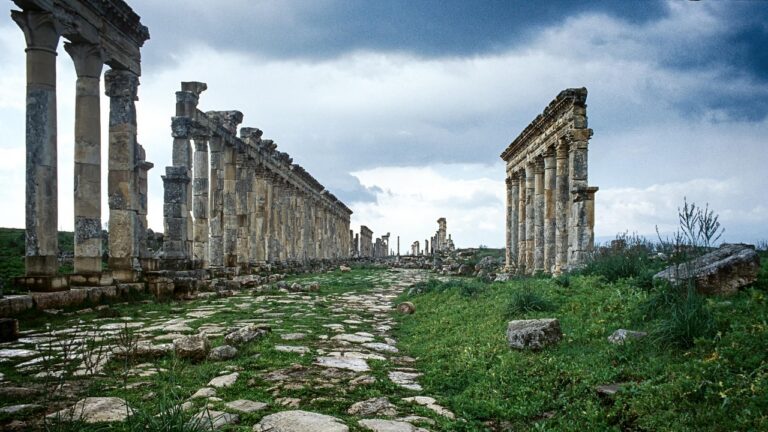
- The ancient city of Apamea
Ready to go? Plan your Syria trip → Good to know →
Plan your trip to Syria
Flights, accommodation and ways to get around — plan the details that matter to you.
Find flights to Syria
Suggested airport search point: DAM.
See recent flight offers
Recent flight offers
Compare available fares and routes for Syria.
Stay & getting around
Choose a neighbourhood, then decide how you will get from the airport and around the city.
Where to stay Neighbourhoods and accommodation
Where to Stay in Syria
Accommodations in Syria range from luxury hotels in major cities to budget-friendly hostels and guesthouses in smaller towns. It's advisable to book in advance, especially during peak tourist seasons, to secure the best options. Many hotels offer unique cultural experiences, allowing visitors to immerse themselves in local traditions.
Getting around Airport transfers and local transport

Getting Around Syria
Public transportation is available, including buses and taxis, but renting a car can provide more flexibility for exploring remote areas. Be sure to check local travel advisories and road conditions before setting out. In cities, walking is often the best way to discover hidden gems and local markets.
Travel essentials
 Stay connected
 Flight delayed or cancelled?
Popular Activities in Syria
Good to know about Syria
Map & DirectionsChoose a map
Open Syria in your preferred map app.




Country factsCapital, language and useful details
Quick Facts
Country
Location
Practical Information
Climate
Syria has a diverse climate, with a Mediterranean climate along the coast and a more arid climate in the interior. Summers can be hot, while winters are mild to cool, especially in the mountainous regions.
Money
The local currency is the Syrian Pound (SYP). Cards are accepted in many places, but carrying some cash can be useful for small purchases, local transport, and rural areas.
Internet & SIM
Mobile coverage is available in urban areas, and SIM cards can be purchased easily. Wi-Fi is accessible in many hotels and cafes, but connectivity may be limited in remote regions.
Electricity
Voltage: 220 V
Frequency: 50 Hz
Safety
Emergency
112 / 110
Frequently Asked Travel Questions
What is the best time to visit Syria?
The best time to visit Syria is during the spring (March to May) and fall (September to November) when the weather is mild and ideal for sightseeing.
What are the entry requirements for Syria?
Entry requirements can vary; it's recommended to check with your local embassy for the latest visa regulations and entry requirements before traveling.
Which airports serve Syria?
The main international airport is Damascus International Airport (DAM), which connects Syria with various destinations in the region.
What currency is used in Syria?
The local currency is the Syrian Pound (SYP). While credit cards are accepted in many places, it's advisable to carry cash for smaller purchases.
Is Syria safe for travelers?
Syria's safety can vary by region, so it's important to stay informed about local conditions and follow travel advisories. Normal precautions should be taken.
Explore more in Syria
Places to Visit in Syria
Cities in Syria
About NomadRoute
NomadRoute helps travelers discover destinations, compare flight options, and find competitive fares from trusted airlines and travel providers worldwide. We do not sell airline tickets directly. Instead, we connect travelers with leading booking partners.
Discover More Destinations
Find low fares from trusted travel providers.
Compare options and book directly with partners.
Explore destinations and routes worldwide.