
Travel Guide to South Korea
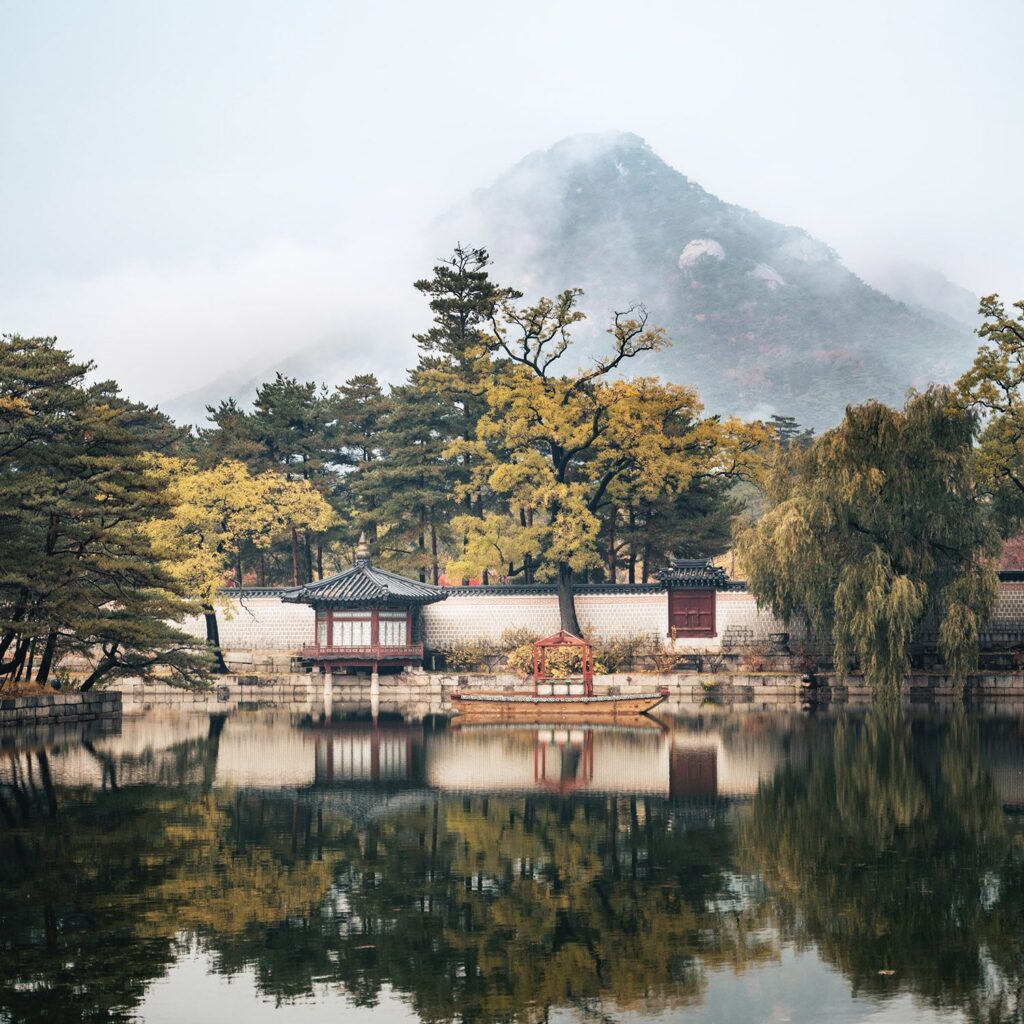
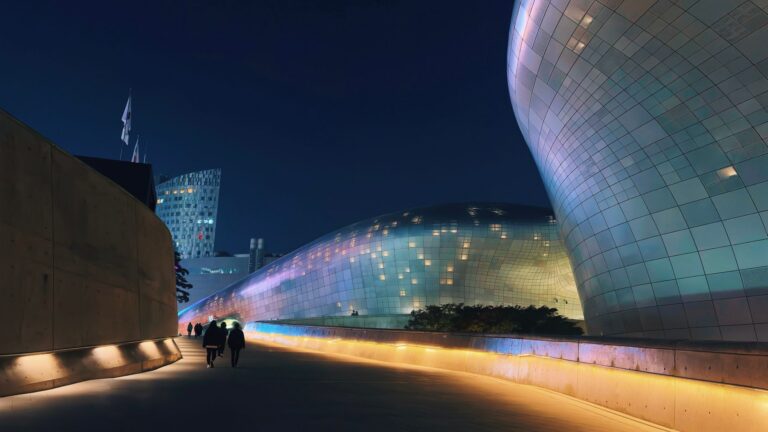
South Korea, located on the southern half of the Korean Peninsula, is a captivating destination where centuries-old traditions coexist with cutting-edge technology. This compact country boasts a remarkable variety of experiences, from royal palaces and Buddhist temples to dramatic mountain landscapes and bustling cities.
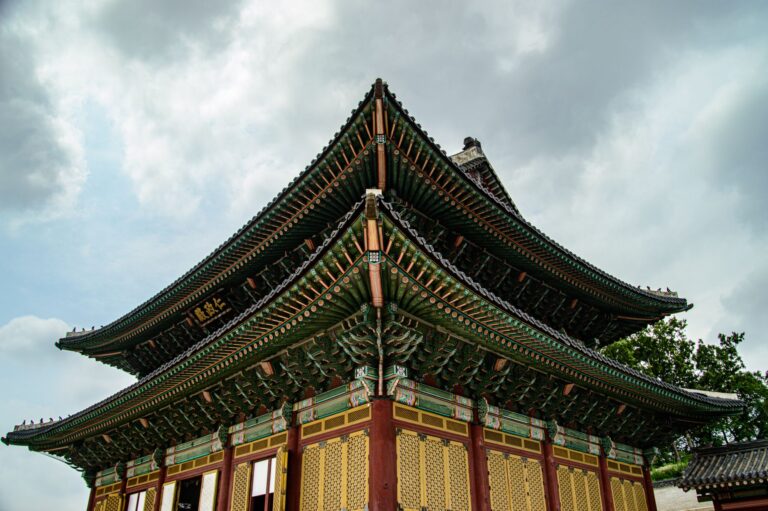
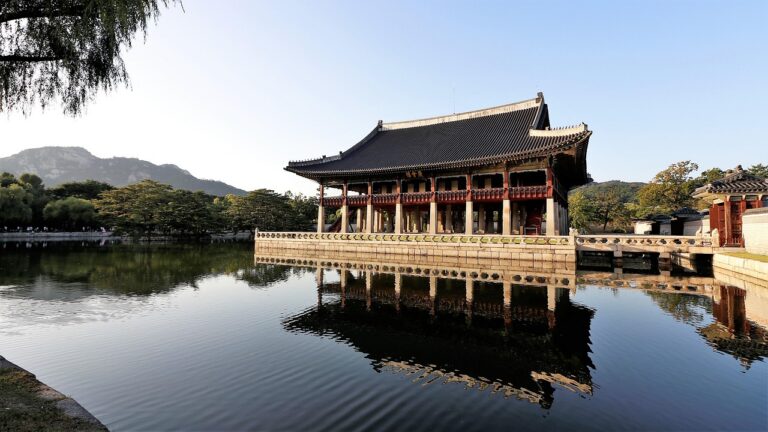
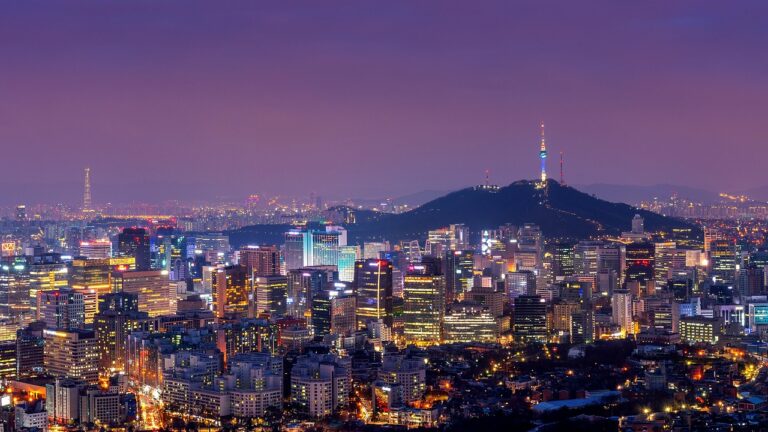
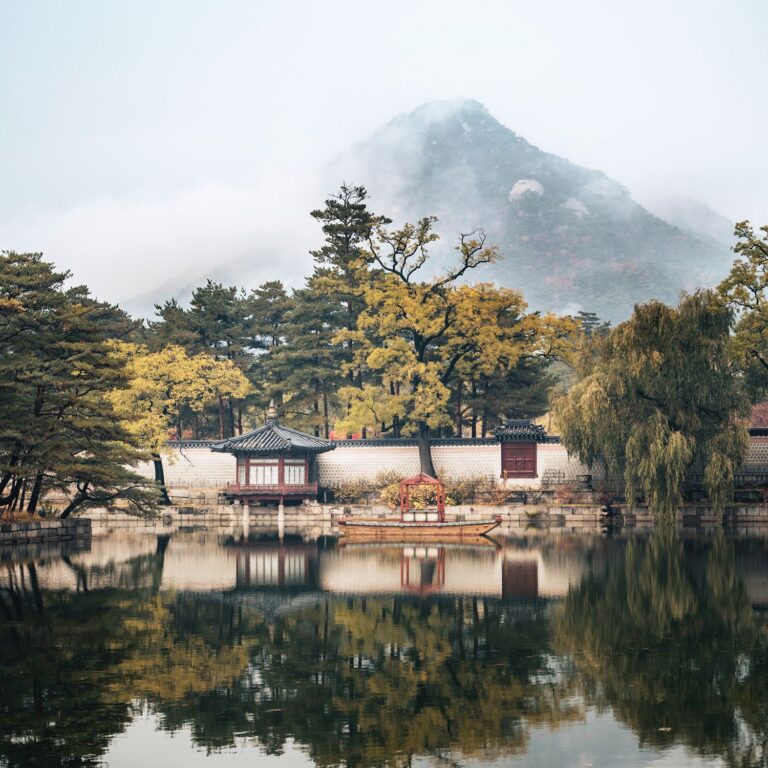
Seoul, the capital, is a vibrant metropolis that showcases both contemporary architecture and historical landmarks, such as the UNESCO-listed Changdeokgung Palace and the traditional Bukchon Hanok Village. The city's extensive metro system makes it easy to explore its diverse districts, each offering unique cultural experiences and culinary delights.
Continue reading the travel guide
Travel Guide to South Korea
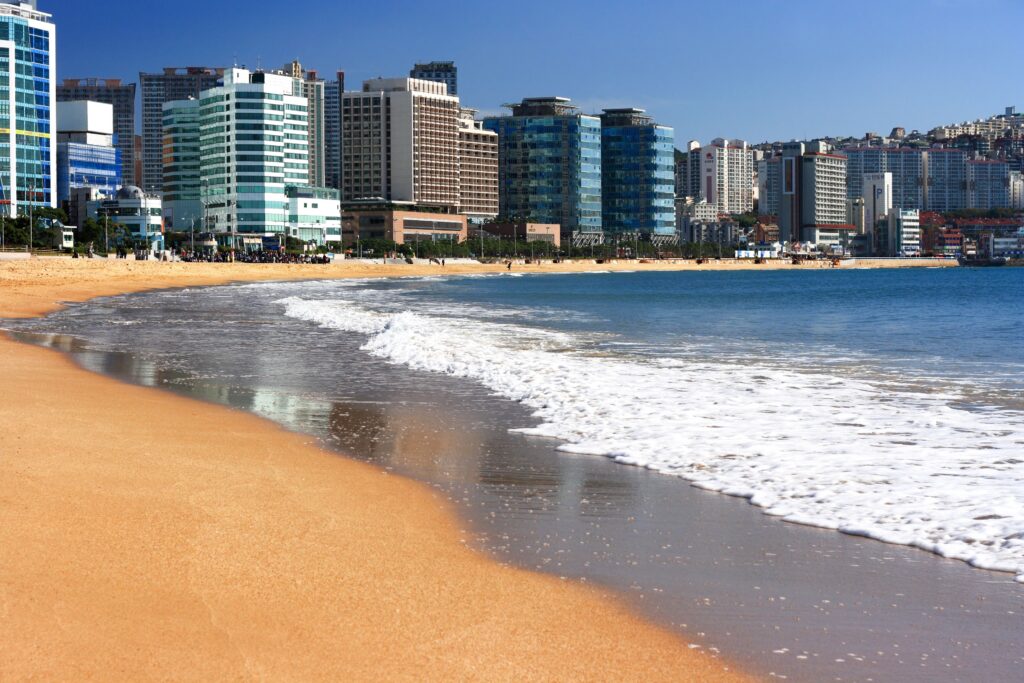
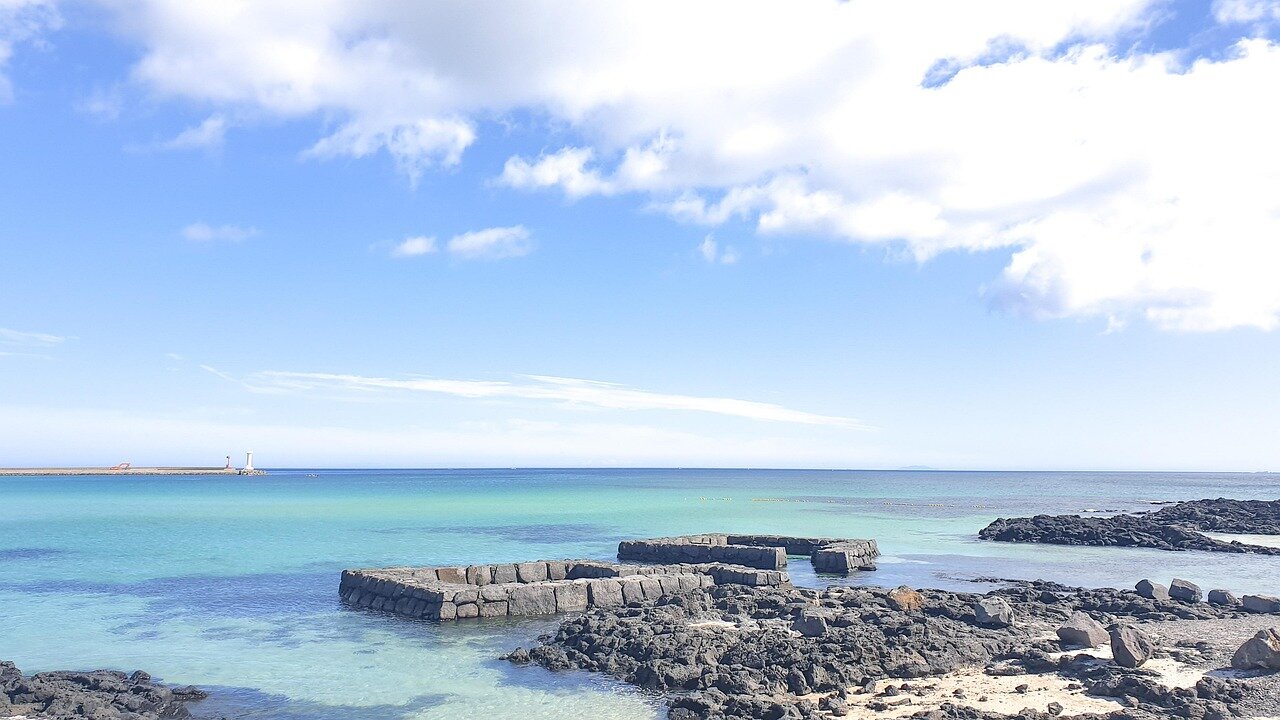
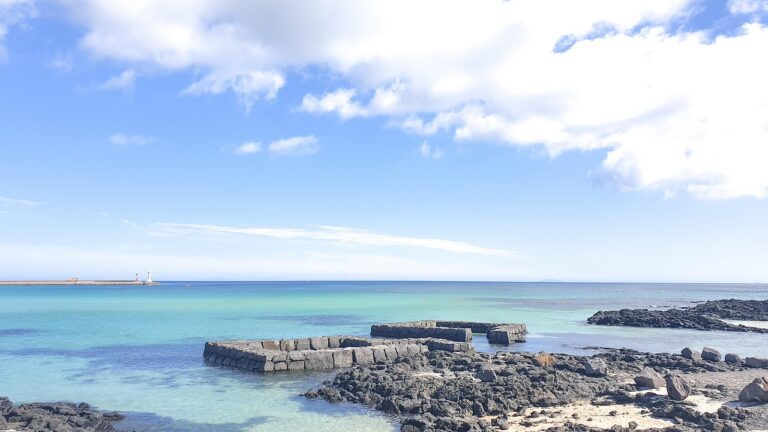
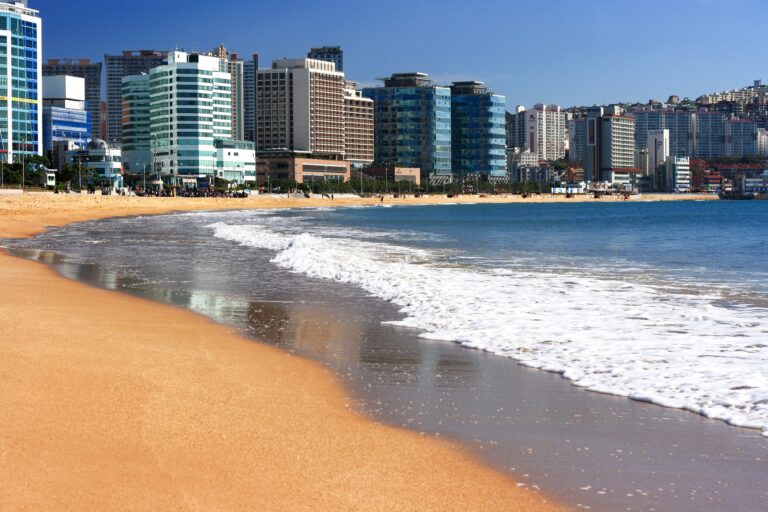
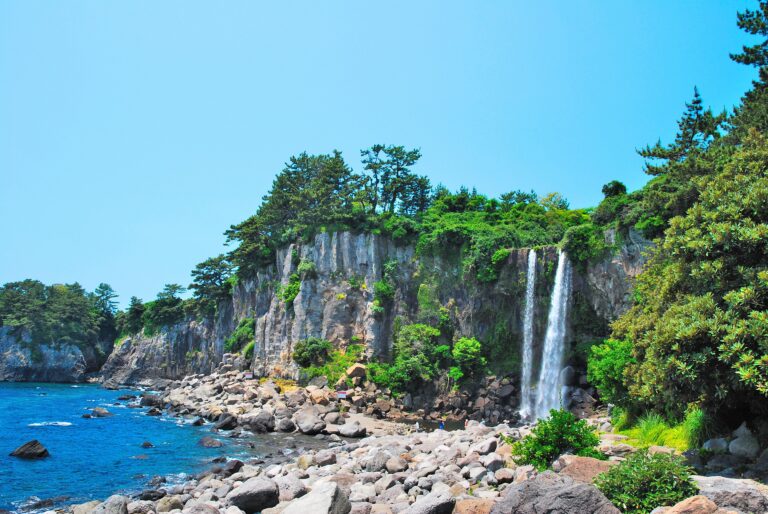
Further south, Busan captivates visitors with its stunning beaches, seafood markets, and the picturesque Gamcheon Culture Village. Jeju Island, a UNESCO World Heritage Site, is famous for its volcanic landscapes, including Hallasan, South Korea's highest mountain, and its breathtaking coastal scenery.
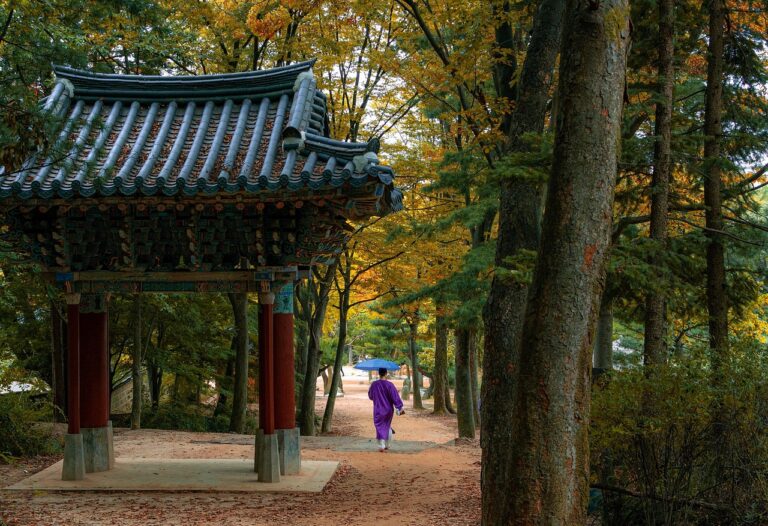
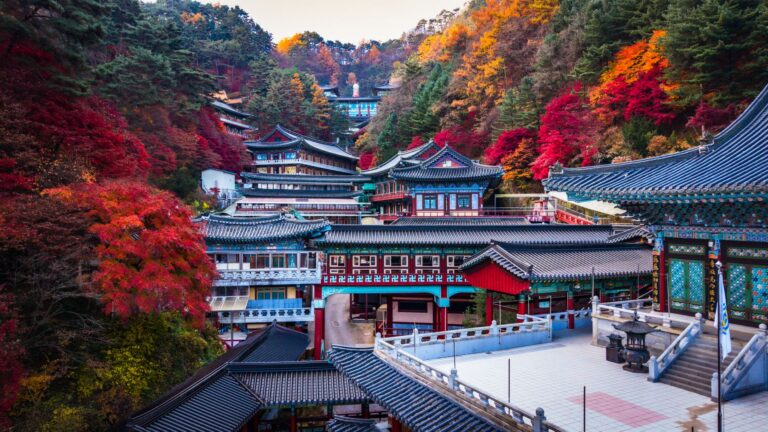
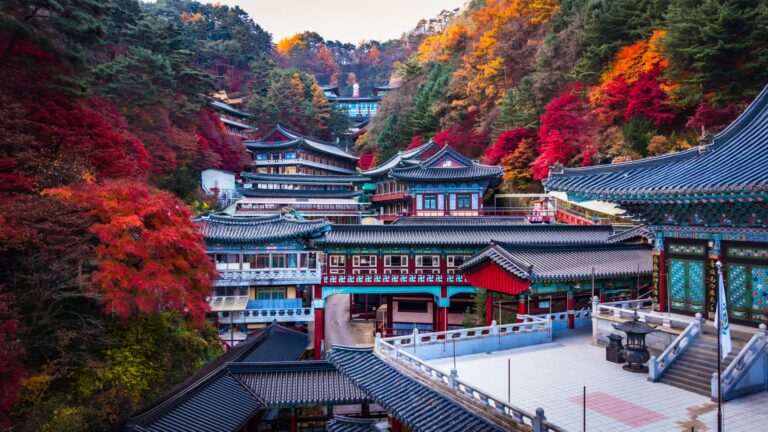
Nature enthusiasts will find solace in South Korea's national parks, such as Seoraksan and Jirisan, where hiking trails lead to breathtaking views and ancient temples nestled within the mountains. The changing seasons enhance the travel experience, with vibrant autumn foliage and cherry blossoms in spring drawing visitors from around the world.
Culinary exploration is a must, as South Korea is renowned for its bold flavors and diverse dishes, from spicy kimchi to savory bulgogi. Traditional markets offer a glimpse into everyday life, where visitors can sample street food and local delicacies.
The Korean Demilitarized Zone (DMZ) provides a unique opportunity to learn about the country’s history and ongoing division. Guided tours allow visitors to explore this intriguing area, highlighting the contrast between the two Koreas.
With its rich history, stunning landscapes, and welcoming culture, South Korea promises an unforgettable journey that beautifully balances tradition and modernity.
Why Visit?
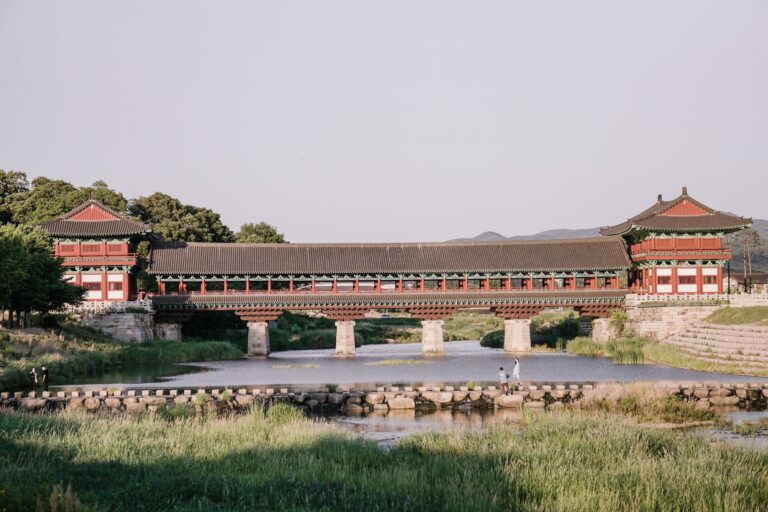
South Korea offers a unique blend of history, culture, and natural beauty that captivates every traveler. From exploring the ancient sites of Gyeongju to enjoying the vibrant nightlife of Seoul, the country provides diverse experiences that cater to all interests. Outdoor enthusiasts can hike in breathtaking national parks, while food lovers can indulge in a rich culinary scene that showcases both traditional and contemporary dishes. Whether you're visiting the bustling streets of Busan or the serene landscapes of Jeju Island, South Korea is a destination that leaves a lasting impression.
Best Time to Visit
The ideal time to visit South Korea is during the autumn months from September to November, when the weather is pleasant, and the foliage turns vibrant shades of red and gold. Spring, from March to May, is also a wonderful time to experience the cherry blossoms and mild temperatures. While summer can be hot and humid due to the monsoon season, winter offers a unique charm with opportunities for skiing and winter festivals. Travelers should plan their visits accordingly to enjoy the best seasonal experiences.
South Korea highlights
View all
Ready to go? Plan your South Korea trip → Good to know →
Plan your trip to South Korea
Flights, accommodation and ways to get around — plan the details that matter to you.
Find flights to South Korea
Suggested airport search point: SEL.
See recent flight offersTo Seoul €43From Seoul €37
Recent flight offers
Compare available fares and routes for South Korea.
Flights to Seoul Arrivals · SEL
Cheap Flights to Seoul for South Korea (SEL)
Compare recent fares to Seoul, the suggested airport search point for visiting South Korea. Choose a listed deal or use the search box above to check prices from your airport.
Flights from South Korea Departures · SEL
Cheap Flights from Seoul (SEL)
Compare the latest low fares from Seoul to popular destinations. Prices are updated regularly and may change based on travel dates and availability.
Stay & getting around
Choose a neighbourhood, then decide how you will get from the airport and around the city.
Where to stay Neighbourhoods and accommodation
Where to Stay in South Korea
South Korea provides a wide range of accommodation options, from luxury hotels in bustling cities to traditional hanok guesthouses in quieter areas. Seoul and Busan serve as excellent bases for first-time visitors, offering easy access to major attractions and vibrant neighborhoods. For those looking to explore natural wonders and UNESCO World Heritage Sites, Jeju Island, Gyeongju, and Sokcho are ideal destinations.
Getting around Airport transfers and local transport

Getting Around South Korea
South Korea boasts one of the most efficient transportation systems in the world. The KTX high-speed train connects major cities swiftly, while extensive metro networks operate in urban areas like Seoul and Busan. Long-distance buses reach nearly every town, and domestic flights are available for travel to Jeju Island and other southern destinations. Public transport is reliable, affordable, and user-friendly, making it easy for travelers to navigate the country.
Travel essentials
 Stay connected
 Flight delayed or cancelled?
Popular Activities in South Korea
Good to know about South Korea
Map & DirectionsChoose a map
Open South Korea in your preferred map app.




Country factsCapital, language and useful details
Quick Facts
Country
Location
Practical Information
Climate
South Korea experiences a temperate climate with four distinct seasons. Spring brings mild temperatures and cherry blossoms, summer is warm and humid with monsoon rains, autumn showcases vibrant foliage, and winter can be cold with snowfall, especially in mountainous regions.
Money
The local currency is KRW - Won (₩). Cards are accepted in many places, but carrying some cash can be useful for small purchases, local transport, and rural areas.
Internet & SIM
Mobile coverage is extensive throughout South Korea, with many options for SIM and eSIM availability. Wi-Fi is widely accessible in urban areas, cafes, and public spaces, making it easy for travellers to stay connected.
Electricity
Voltage: 220 V
Frequency: 60 Hz
Safety
Emergency
112 / 119
Frequently Asked Travel Questions
What is the best time to visit South Korea?
The best time to visit South Korea is from September to November for pleasant weather and beautiful autumn colors. Spring, from March to May, is also great for cherry blossoms.
What is the local currency in South Korea?
The local currency is the South Korean Won (KRW). While cards are widely accepted, it's advisable to carry some cash for small purchases.
What are the main airports in South Korea?
Incheon International Airport is the primary airport serving Seoul, while Gimhae International Airport serves Busan. Both airports offer extensive international and domestic flights.
Is South Korea safe for tourists?
Yes, South Korea is generally safe for tourists, with low crime rates. However, it's always wise to stay aware of your surroundings and secure your belongings.
Do I need a visa to enter South Korea?
Visa requirements vary by nationality. Many travelers can enter South Korea visa-free for short stays, but it's best to check the official requirements before your trip.
Explore more in South Korea
Places to Visit in South Korea


Cities in South Korea
About NomadRoute
NomadRoute helps travelers discover destinations, compare flight options, and find competitive fares from trusted airlines and travel providers worldwide. We do not sell airline tickets directly. Instead, we connect travelers with leading booking partners.
Discover More Destinations
Find low fares from trusted travel providers.
Compare options and book directly with partners.
Explore destinations and routes worldwide.