
Travel Guide to Seoraksan National Park
Seoraksan National Park, located in the northeastern part of South Korea, is a UNESCO Biosphere Reserve celebrated for its dramatic peaks, lush valleys, and rich biodiversity. The park features the iconic Seoraksan Mountain, which rises to 1,708 meters and offers breathtaking views, especially during the autumn months when the foliage transforms into vibrant hues of red and orange. Visitors can explore a variety of hiking trails that cater to all levels, from leisurely walks to challenging climbs. The park is also home to several Buddhist temples, including the historic Sinheungsa Temple, which adds a cultural dimension to the natural beauty.
The atmosphere in Seoraksan National Park is serene and invigorating, making it a perfect escape for nature lovers and adventure seekers alike. Wildlife enthusiasts may spot various species, including deer, foxes, and numerous bird species. The park is particularly popular during the fall, but each season offers unique experiences, such as spring blooms and winter snow-covered landscapes. Practical considerations for visiting include checking trail conditions and preparing for varying weather, as temperatures can change rapidly in the mountains.
Continue reading the travel guide
Travel Guide to Seoraksan National Park
Why Visit?
Seoraksan National Park is a must-visit for its stunning natural scenery, diverse wildlife, and the chance to hike some of South Korea's most beautiful trails. The combination of breathtaking views, cultural heritage, and outdoor activities makes it an unforgettable destination for all types of travelers.
Best Time to Visit
The best time to visit Seoraksan National Park is during the fall (September to November) when the foliage displays vibrant colors. Spring (April to June) is also lovely, with blooming flowers and mild weather. Summer can be hot and humid, while winter offers a chance to see the park blanketed in snow, ideal for winter sports enthusiasts.
Ready to go? Plan your Seoraksan National Park trip → Good to know →
Plan your trip to Seoraksan National Park
Flights, accommodation and ways to get around — plan the details that matter to you.
Find flights to Seoraksan National Park
Nearest recommended airport search point: YNY.
See recent flight offersTo Yangyang €281From Yangyang €1 185
Recent flight offers
Compare available fares and routes for Seoraksan National Park.
Flights to Yangyang Arrivals · YNY
Cheap Flights to Yangyang for Seoraksan National Park (YNY)
Compare recent fares to Yangyang, the suggested airport search point for visiting Seoraksan National Park. Choose a listed deal or use the search box above to check prices from your airport.
Flights from Seoraksan National Park Departures · YNY
Cheap Flights from Yangyang (YNY)
Compare the latest low fares from Yangyang to popular destinations. Prices are updated regularly and may change based on travel dates and availability.
Stay & getting around
Choose a neighbourhood, then decide how you will get from the airport and around the city.
Where to stay Neighbourhoods and accommodation
Where to Stay in Seoraksan National Park
The nearest town for accommodation is Sokcho, which offers a range of hotels, guesthouses, and traditional Korean inns. Staying in Sokcho provides easy access to the park and its attractions.
Getting around Airport transfers and local transport

Getting Around Seoraksan National Park
To reach Seoraksan National Park, travelers can fly into Yangyang International Airport (YNY) and then take a bus or taxi to the park entrance. Once inside, many hiking trails are accessible on foot, and shuttle buses operate between key points in the park.
Travel essentials
 Stay connected
 Flight delayed or cancelled?
Popular Activities in Seoraksan National Park
Good to know about Seoraksan National Park
Map & DirectionsChoose a map
Open Seoraksan National Park in your preferred map app.




Country factsCapital, language and useful details
Quick Facts
Country
Location
Practical Information
Climate
South Korea experiences a temperate climate with four distinct seasons. Spring brings mild temperatures and cherry blossoms, summer is warm and humid with monsoon rains, autumn showcases vibrant foliage, and winter can be cold with snowfall, especially in mountainous regions.
Money
The local currency is KRW - Won (₩). Cards are accepted in many places, but carrying some cash can be useful for small purchases, local transport, and rural areas.
Internet & SIM
Mobile coverage is extensive throughout South Korea, with many options for SIM and eSIM availability. Wi-Fi is widely accessible in urban areas, cafes, and public spaces, making it easy for travellers to stay connected.
Electricity
Voltage: 220 V
Frequency: 60 Hz
Safety
Emergency
112 / 119
Explore more in South Korea
Places to Visit in South Korea

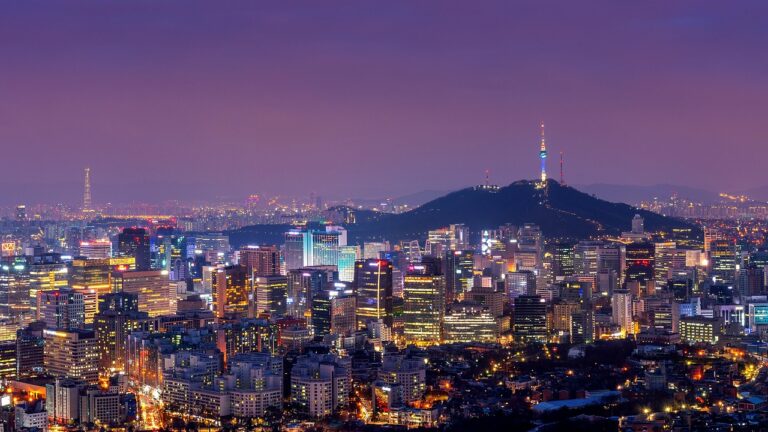
Cities in South Korea
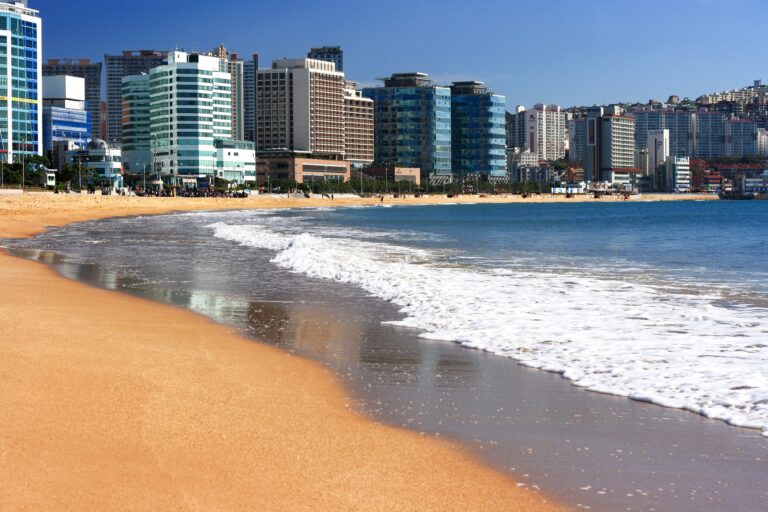
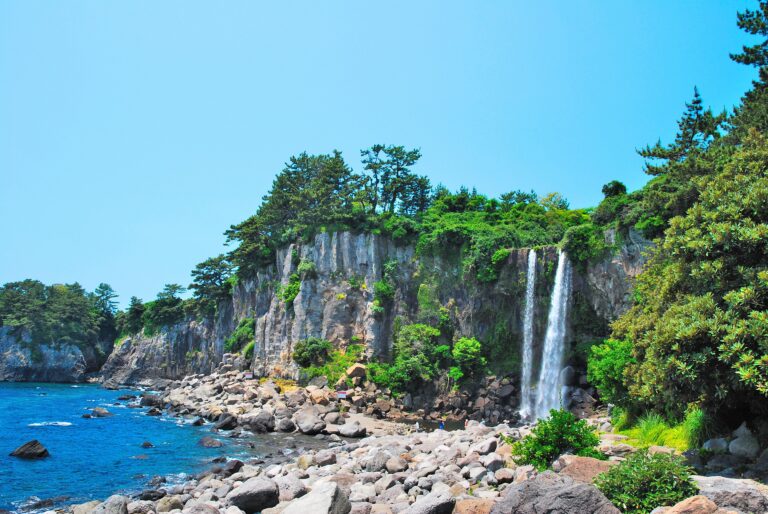
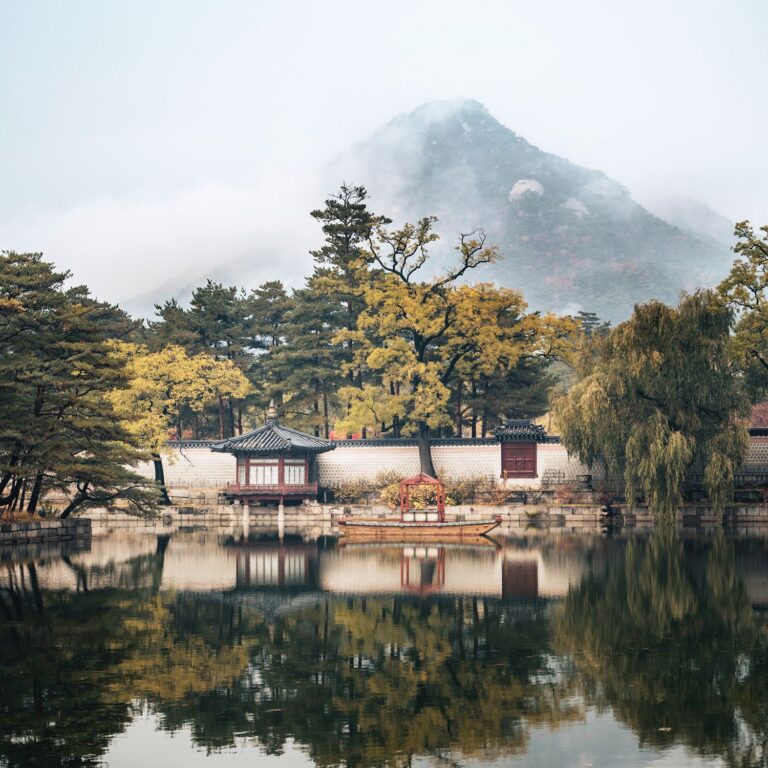
About NomadRoute
NomadRoute helps travelers discover destinations, compare flight options, and find competitive fares from trusted airlines and travel providers worldwide. We do not sell airline tickets directly. Instead, we connect travelers with leading booking partners.
Discover More Destinations
Find low fares from trusted travel providers.
Compare options and book directly with partners.
Explore destinations and routes worldwide.
Photo · 정규송 Nui MALAMA · Pexels