
Travel Guide to Sehlabathebe National Park
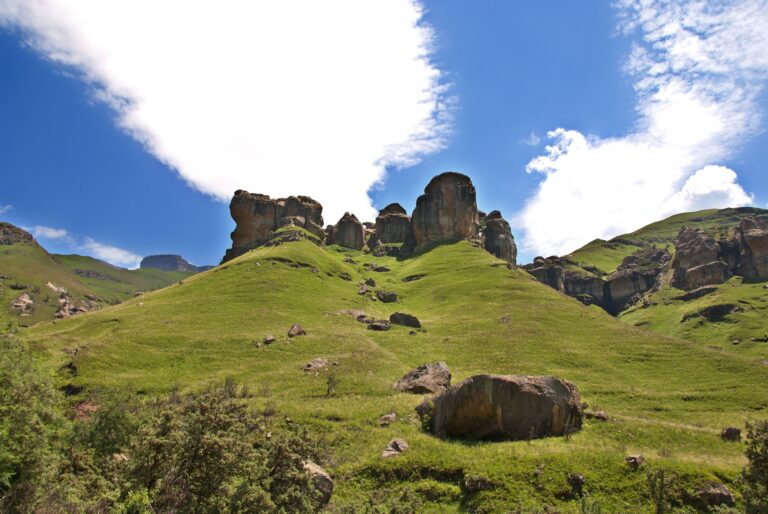
Sehlabathebe National Park is a hidden gem nestled in the mountains of Lesotho, offering visitors a unique blend of natural beauty and cultural heritage. The park is characterized by its dramatic cliffs, rolling grasslands, and vibrant flora and fauna, making it a paradise for nature lovers and adventure seekers alike. With its diverse ecosystems, the park is home to various wildlife species, including the rare and endangered Bearded Vulture, which can often be spotted soaring above the rugged terrain.
Visitors to Sehlabathebe can explore numerous hiking trails that wind through the park, leading to stunning viewpoints and ancient rock art sites that tell the story of the Basotho people. The park's serene environment provides an ideal setting for birdwatching, photography, and simply soaking in the tranquility of nature. Additionally, the rich cultural significance of the area adds depth to the visitor experience, as local guides share insights into the traditions and history of the Basotho community.
Continue reading the travel guide
Travel Guide to Sehlabathebe National Park
For those planning a visit, it is essential to prepare for varying weather conditions, as the park's altitude can lead to sudden changes in temperature. Whether you're seeking adventure or a peaceful retreat, Sehlabathebe National Park promises an unforgettable experience in the heart of Lesotho's breathtaking landscapes.
Why Visit?
Sehlabathebe National Park is a must-visit for its stunning natural beauty, rich biodiversity, and cultural significance. The park offers unique hiking opportunities, ancient rock art, and the chance to see rare wildlife, making it an ideal destination for nature enthusiasts and cultural explorers alike.
Best Time to Visit
The best time to visit Sehlabathebe National Park is during the dry season from May to September when the weather is cooler and more stable, making it ideal for outdoor activities and wildlife spotting.
Ready to go? Plan your Sehlabathebe National Park trip → Good to know →
Plan your trip to Sehlabathebe National Park
Flights, accommodation and ways to get around — plan the details that matter to you.
Find flights to Sehlabathebe National Park
Nearest recommended airport search point: MSU.
See recent flight offersTo Maseru €353From Maseru €1 666
Recent flight offers
Compare available fares and routes for Sehlabathebe National Park.
Flights to Maseru Arrivals · MSU
Cheap Flights to Maseru for Sehlabathebe National Park (MSU)
Compare recent fares to Maseru, the suggested airport search point for visiting Sehlabathebe National Park. Choose a listed deal or use the search box above to check prices from your airport.
Flights from Sehlabathebe National Park Departures · MSU
Cheap Flights from Maseru (MSU)
Compare the latest low fares from Maseru to popular destinations. Prices are updated regularly and may change based on travel dates and availability.
Stay & getting around
Choose a neighbourhood, then decide how you will get from the airport and around the city.
Where to stay Neighbourhoods and accommodation
Where to Stay in Sehlabathebe National Park
The nearest town for accommodation is Mokhotlong, where visitors can find various lodging options ranging from guesthouses to lodges. Staying in Mokhotlong provides easy access to the park and its attractions.
Getting around Airport transfers and local transport

Getting Around Sehlabathebe National Park
To reach Sehlabathebe National Park, travelers typically fly into Moshoeshoe I International Airport (MSU) and then drive or take a taxi to Mokhotlong. Once in the park, visitors can explore on foot via well-marked trails, or arrange for guided tours to enhance their experience.
Travel essentials
 Stay connected
 Flight delayed or cancelled?
Popular Activities in Sehlabathebe National Park
Good to know about Sehlabathebe National Park
Country factsCapital, language and useful details
Quick Facts
Country
Location
Practical Information
Climate
Lesotho has varied travel conditions depending on the region and season. The highlands experience cold winters and mild summers, while the lowlands have a more temperate climate. Rainfall is common in the summer months, particularly from December to February.
Money
The local currency is LSL - Loti, ZAR - Rand (R). Cards are accepted in many places, but carrying some cash can be useful for small purchases, local transport, and rural areas.
Internet & SIM
Mobile coverage is generally good in urban areas, with various local SIM options available for tourists. Wi-Fi is accessible in many hotels and cafes, but connectivity may be limited in remote regions.
Electricity
Voltage: 220 / 230 V
Frequency: 50 Hz
Safety
Emergency
112 / 999
Explore more in Lesotho
Places to Visit in Lesotho
Cities in Lesotho
About NomadRoute
NomadRoute helps travelers discover destinations, compare flight options, and find competitive fares from trusted airlines and travel providers worldwide. We do not sell airline tickets directly. Instead, we connect travelers with leading booking partners.
Discover More Destinations
Find low fares from trusted travel providers.
Compare options and book directly with partners.
Explore destinations and routes worldwide.