
Travel Guide to Katse Dam
Katse Dam, one of the largest dams in Africa, is a remarkable feat of engineering nestled in the picturesque Malibamatso River valley of Lesotho. Completed in 1996, this impressive structure stands at 185 meters high and spans 710 meters across, creating a reservoir that plays a crucial role in the region's water supply. The dam not only serves as a vital resource for Lesotho but also contributes to the Lesotho Highlands Water Project, which supplies water to South Africa.
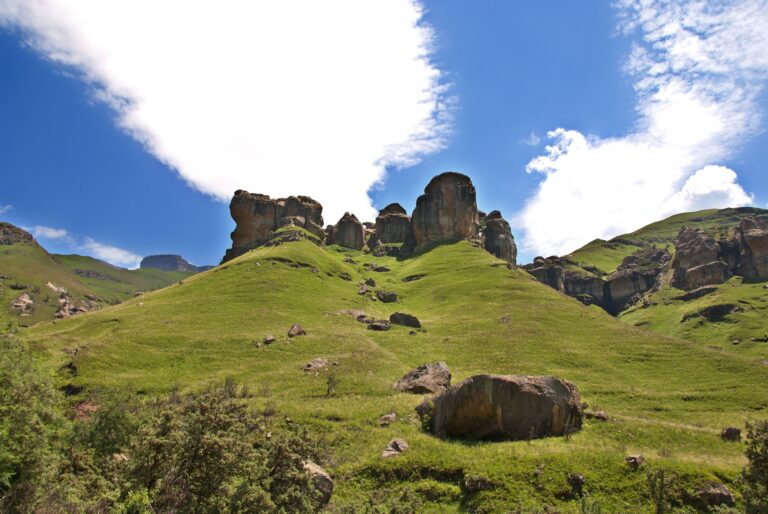
Visitors to Katse Dam can expect to be captivated by the stunning scenery that surrounds the area. The dam's striking blue waters contrast beautifully with the rugged mountains and lush valleys, making it a perfect spot for photography and nature walks. Guided tours are available, providing insights into the dam's construction, its significance, and the environmental impact it has had on the region. The visitor center offers informative displays and exhibits that delve into the history and engineering behind this monumental project.
Continue reading the travel guide
Travel Guide to Katse Dam
For those looking to explore further, the surrounding area offers a variety of outdoor activities, including hiking, bird watching, and cultural experiences with local communities. The unique landscape and serene atmosphere make Katse Dam a must-visit destination for nature lovers and adventure seekers alike.
Why Visit?
Visiting Katse Dam offers a unique opportunity to witness an engineering marvel while enjoying breathtaking natural beauty. The combination of stunning landscapes, informative tours, and outdoor activities makes it an enriching experience for all travelers.
Best Time to Visit
The best time to visit Katse Dam is during the spring and autumn months (September to November and March to May) when the weather is mild and the scenery is particularly vibrant. Summer can be hot, while winter temperatures can drop significantly, especially at night.
Ready to go? Plan your Katse Dam trip → Good to know →
Plan your trip to Katse Dam
Flights, accommodation and ways to get around — plan the details that matter to you.
Find flights to Katse Dam
Nearest recommended airport search point: MSU.
See recent flight offersTo Maseru €353From Maseru €1 666
Recent flight offers
Compare available fares and routes for Katse Dam.
Flights to Maseru Arrivals · MSU
Cheap Flights to Maseru for Katse Dam (MSU)
Compare recent fares to Maseru, the suggested airport search point for visiting Katse Dam. Choose a listed deal or use the search box above to check prices from your airport.
Flights from Katse Dam Departures · MSU
Cheap Flights from Maseru (MSU)
Compare the latest low fares from Maseru to popular destinations. Prices are updated regularly and may change based on travel dates and availability.
Stay & getting around
Choose a neighbourhood, then decide how you will get from the airport and around the city.
Where to stay Neighbourhoods and accommodation
Where to Stay in Katse Dam
The nearest town for accommodation is Mokhotlong, which offers various lodging options, from guesthouses to hotels. Staying in Mokhotlong provides a convenient base for exploring Katse Dam and the surrounding natural attractions.
Getting around Airport transfers and local transport

Getting Around Katse Dam
Travelers can reach Katse Dam from Maseru, the capital of Lesotho, which is approximately a 3-hour drive away. Public transport options include taxis and buses, but renting a car is recommended for greater flexibility. Once at the dam, guided tours are available, and walking paths allow for easy exploration of the area.
Travel essentials
 Stay connected
 Flight delayed or cancelled?
Popular Activities in Katse Dam
Good to know about Katse Dam
Country factsCapital, language and useful details
Quick Facts
Country
Location
Practical Information
Climate
Lesotho has varied travel conditions depending on the region and season. The highlands experience cold winters and mild summers, while the lowlands have a more temperate climate. Rainfall is common in the summer months, particularly from December to February.
Money
The local currency is LSL - Loti, ZAR - Rand (R). Cards are accepted in many places, but carrying some cash can be useful for small purchases, local transport, and rural areas.
Internet & SIM
Mobile coverage is generally good in urban areas, with various local SIM options available for tourists. Wi-Fi is accessible in many hotels and cafes, but connectivity may be limited in remote regions.
Electricity
Voltage: 220 / 230 V
Frequency: 50 Hz
Safety
Emergency
112 / 999
Explore more in Lesotho
Places to Visit in Lesotho
Cities in Lesotho
About NomadRoute
NomadRoute helps travelers discover destinations, compare flight options, and find competitive fares from trusted airlines and travel providers worldwide. We do not sell airline tickets directly. Instead, we connect travelers with leading booking partners.
Discover More Destinations
Find low fares from trusted travel providers.
Compare options and book directly with partners.
Explore destinations and routes worldwide.