
Travel Guide to Lotus Temple
The Lotus Temple, located in the heart of Delhi, India, is a breathtaking example of modern architecture and a prominent Bahá'í House of Worship. Opened in 1986, its unique lotus flower design symbolizes purity and peace, making it a spiritual haven for people of all faiths. Surrounded by beautiful gardens and tranquil ponds, the temple provides a serene atmosphere for reflection and meditation.
Visitors to the Lotus Temple can expect a peaceful environment where they can participate in silent prayers and meditation. The interior is equally impressive, featuring a stunning dome made of white marble that creates a sense of openness and tranquility. The absence of religious symbols inside emphasizes the Bahá'í belief in the unity of all religions, making it a welcoming space for everyone.
Continue reading the travel guide
Travel Guide to Lotus Temple
Practical considerations for visiting include the temple's accessibility, as it is well-connected by public transport, including the Delhi Metro. The best time to visit is early morning or late afternoon when the light enhances the temple's beauty. While there are no entry fees, visitors are encouraged to maintain silence and respect the sanctity of the space. The Lotus Temple is not just a place of worship but also a symbol of harmony and unity, making it a must-visit for anyone traveling to Delhi.
Why Visit?
The Lotus Temple is a must-visit for its stunning architecture, peaceful ambiance, and the unique opportunity to experience a place of worship that welcomes individuals from all backgrounds. Its serene gardens and reflective ponds provide a perfect escape from the bustling city, making it an ideal spot for contemplation and relaxation.
Best Time to Visit
The best time to visit the Lotus Temple is during the cooler months from October to March, when the weather is pleasant. Early mornings or late afternoons are ideal for enjoying the temple's beauty and tranquility.
Ready to go? Plan your Lotus Temple trip → Good to know →
Plan your trip to Lotus Temple
Flights, accommodation and ways to get around — plan the details that matter to you.
Find flights to Lotus Temple
Nearest recommended airport search point: DEL.
See recent flight offersTo New Delhi €80From New Delhi €57
Recent flight offers
Compare available fares and routes for Lotus Temple.
Flights to New Delhi Arrivals · DEL
Cheap Flights to New Delhi for Lotus Temple (DEL)
Compare recent fares to New Delhi, the suggested airport search point for visiting Lotus Temple. Choose a listed deal or use the search box above to check prices from your airport.
Flights from Lotus Temple Departures · DEL
Cheap Flights from New Delhi (DEL)
Compare the latest low fares from New Delhi to popular destinations. Prices are updated regularly and may change based on travel dates and availability.
Stay & getting around
Choose a neighbourhood, then decide how you will get from the airport and around the city.
Where to stay Neighbourhoods and accommodation
Where to Stay in Lotus Temple
For convenient access to the Lotus Temple, consider staying in the nearby neighborhoods of Greater Kailash or Hauz Khas, which offer a range of accommodation options from budget hotels to luxury stays.
Getting around Airport transfers and local transport

Getting Around Lotus Temple
The Lotus Temple is easily accessible via the Delhi Metro, with the nearest station being Kalkaji Mandir. Taxis and auto-rickshaws are also readily available for those traveling from other parts of the city. Once at the temple, visitors can explore the surrounding gardens on foot.
Travel essentials
 Stay connected
 Flight delayed or cancelled?
Popular Activities in Lotus Temple
Good to know about Lotus Temple
Map & DirectionsChoose a map
Open Lotus Temple in your preferred map app.




Country factsCapital, language and useful details
Quick Facts
Country
Location
Practical Information
Climate
India has a varied climate that ranges from tropical in the south to temperate in the north. The country experiences four main seasons: winter (December to February), summer (March to June), monsoon (June to September), and post-monsoon (October to November). Each region has its unique weather patterns, making it essential for travelers to plan accordingly.
Money
The local currency is the Indian rupee (INR). Cards and digital payments are common in cities, but cash remains useful for markets, small restaurants, transport, and rural areas.
Internet & SIM
Mobile coverage is extensive in urban areas, with various SIM and eSIM options available for tourists. Wi-Fi is widely accessible in hotels and cafes, but connectivity may be limited in rural regions.
Electricity
Voltage: 230 V
Frequency: 50 Hz
Safety
Emergency
112
Explore more in India
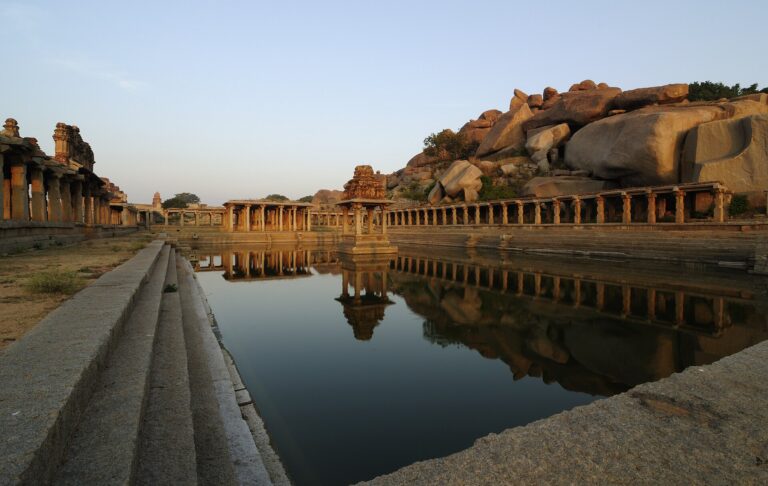
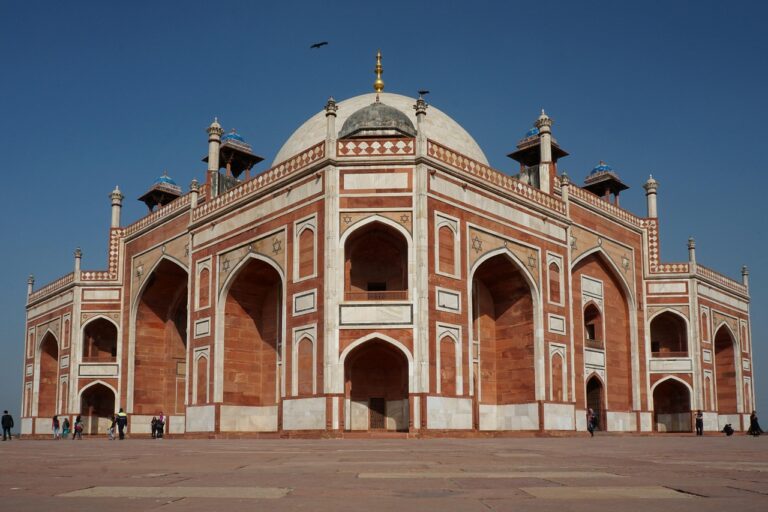
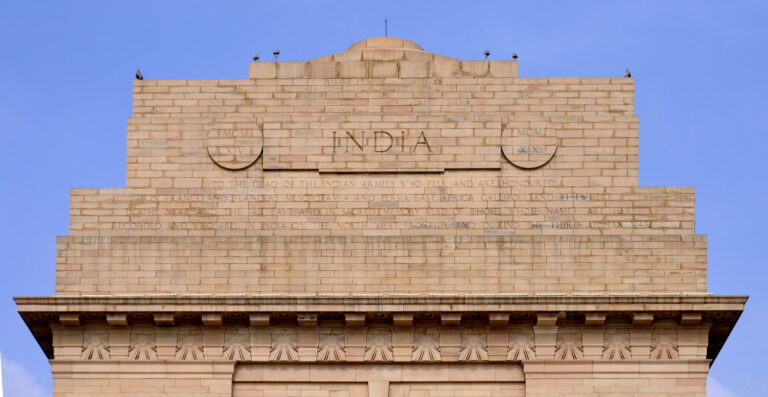
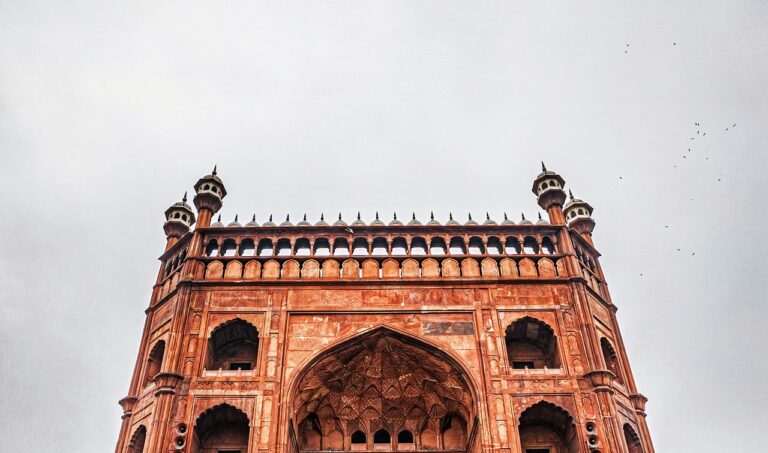
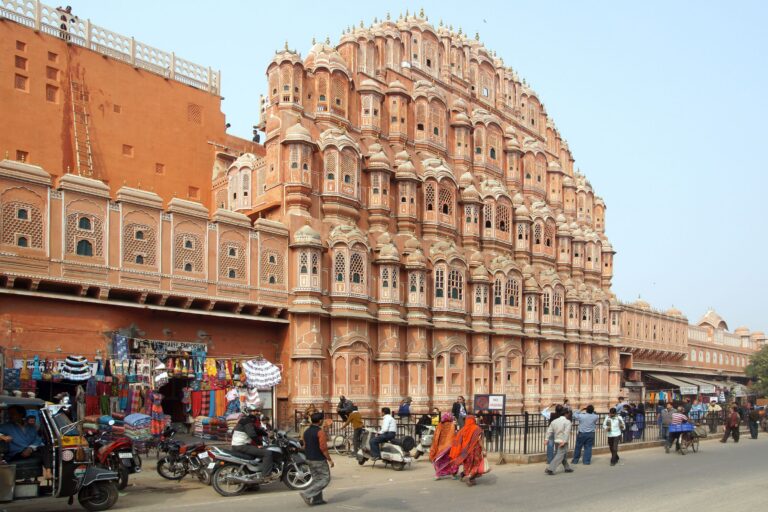
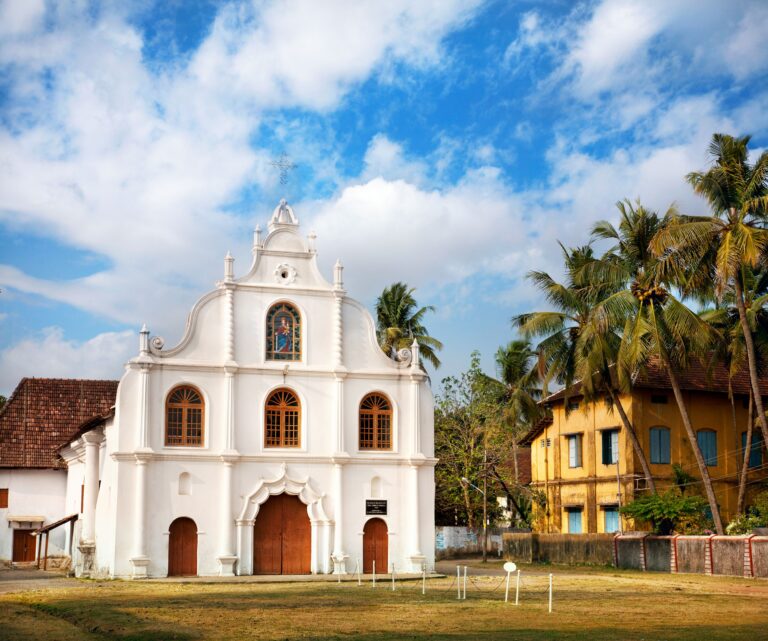
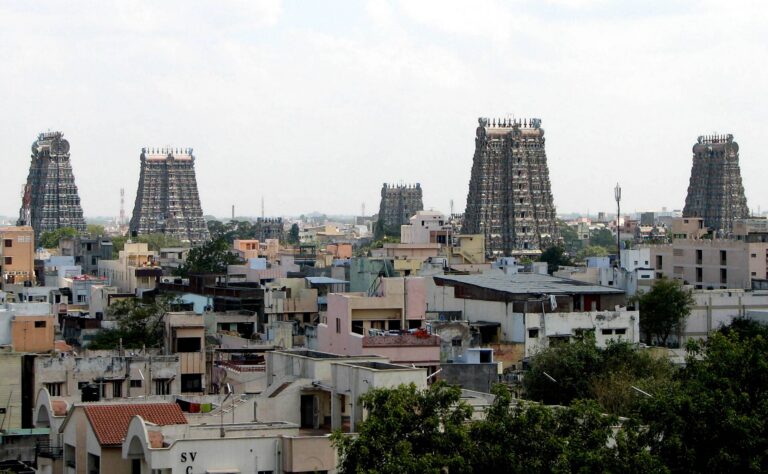
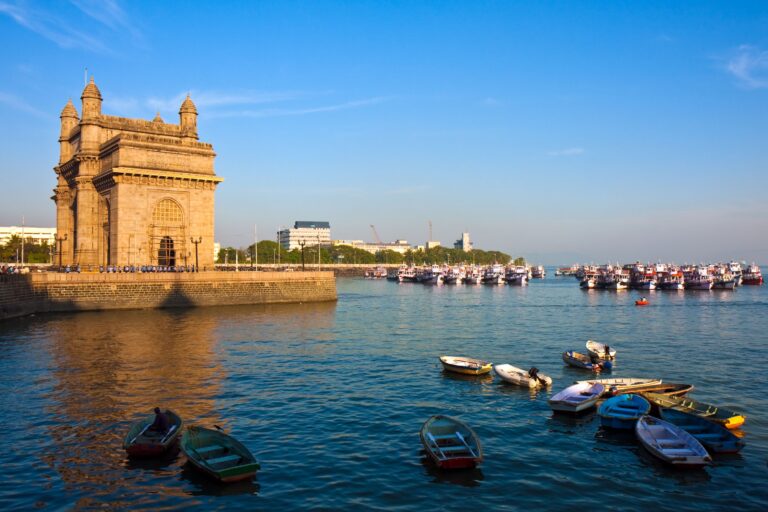
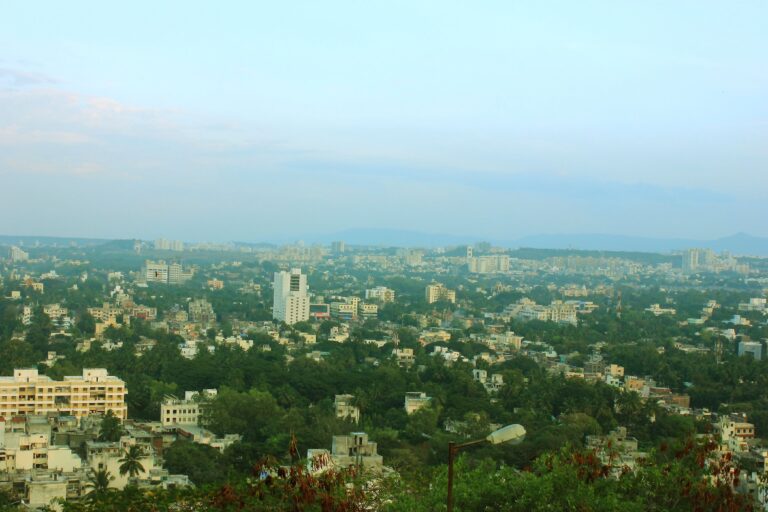
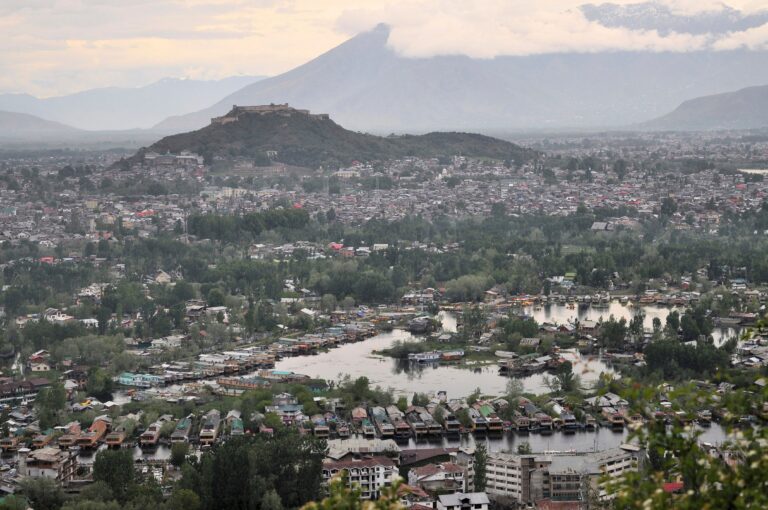
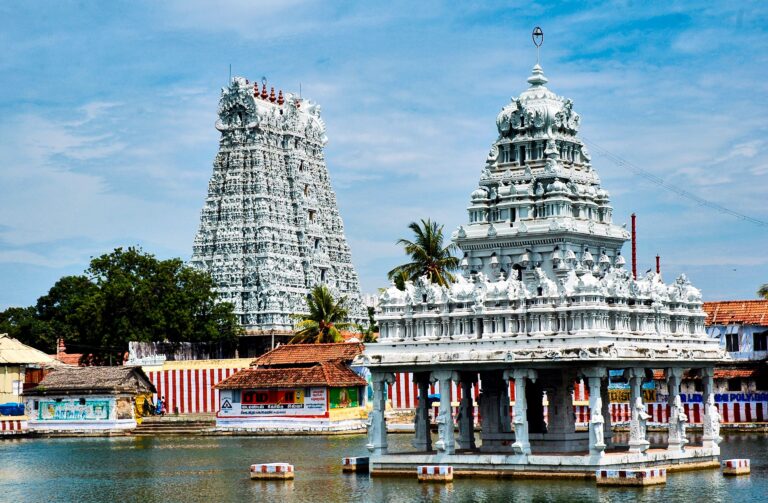
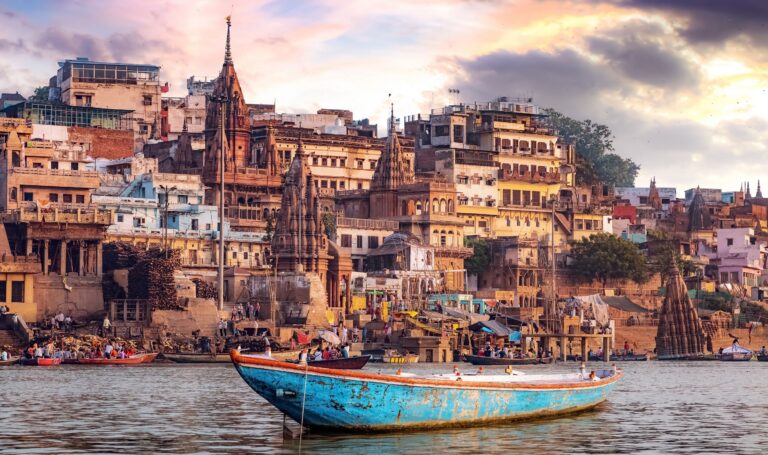
Places to Visit in India
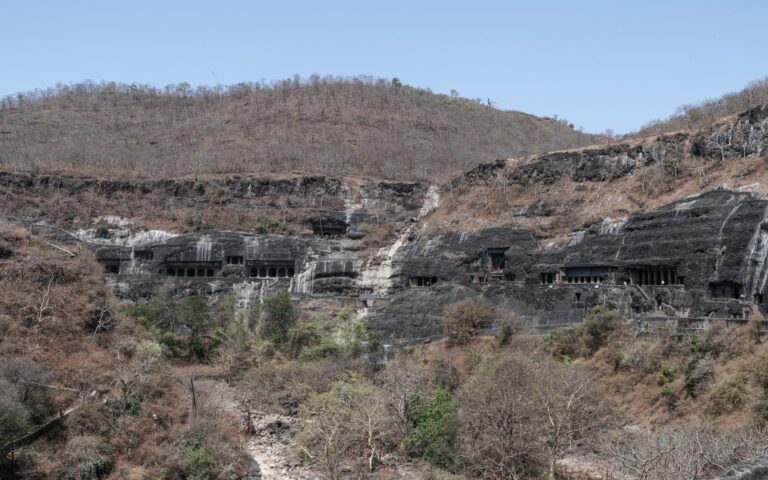
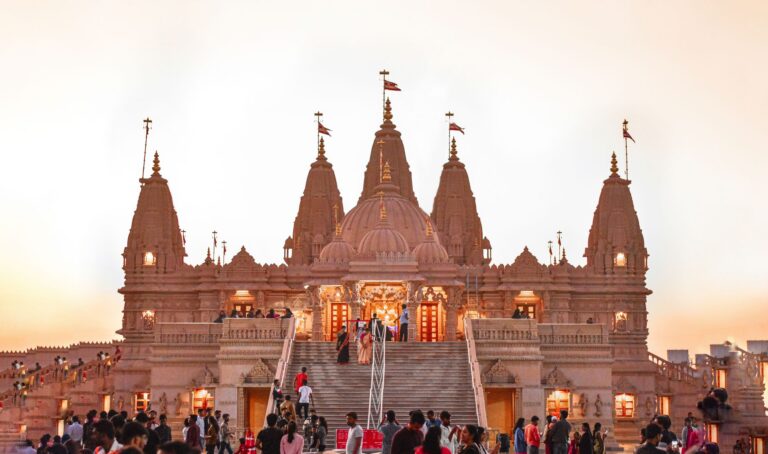

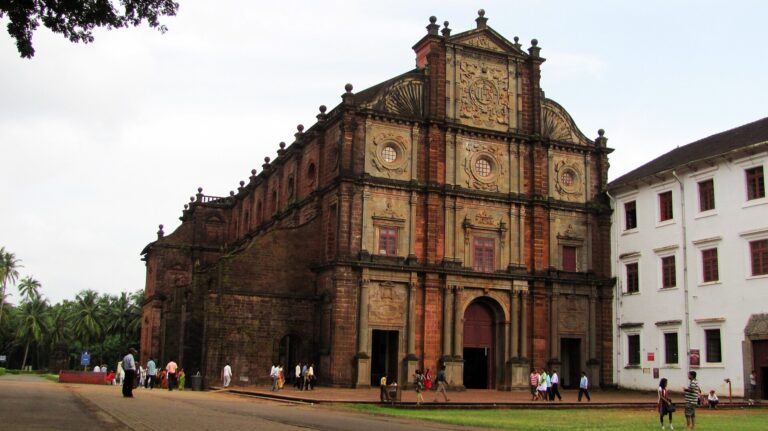
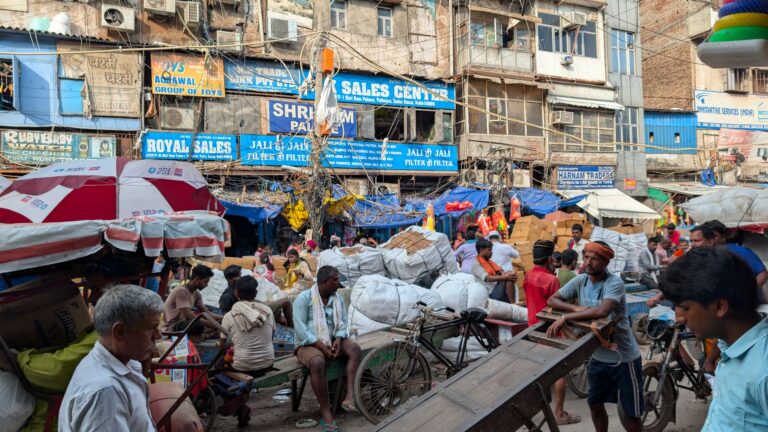


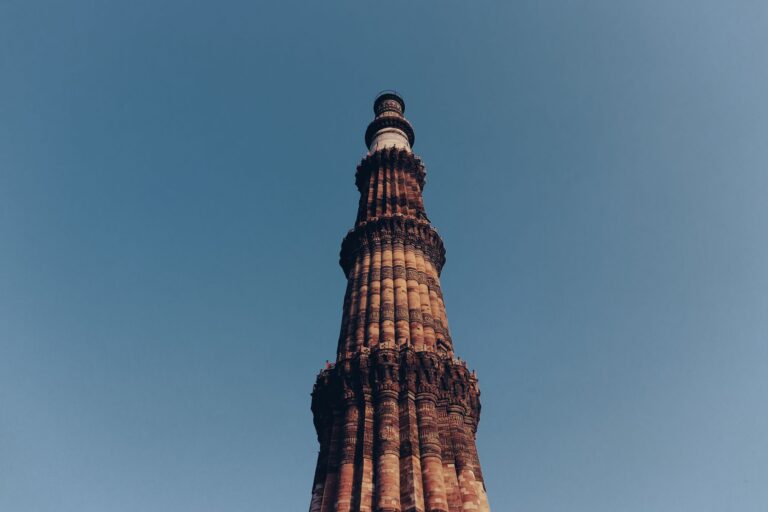
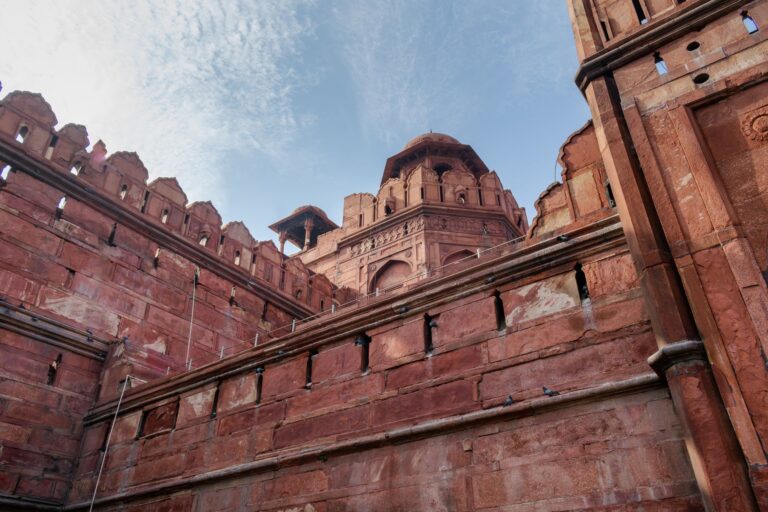
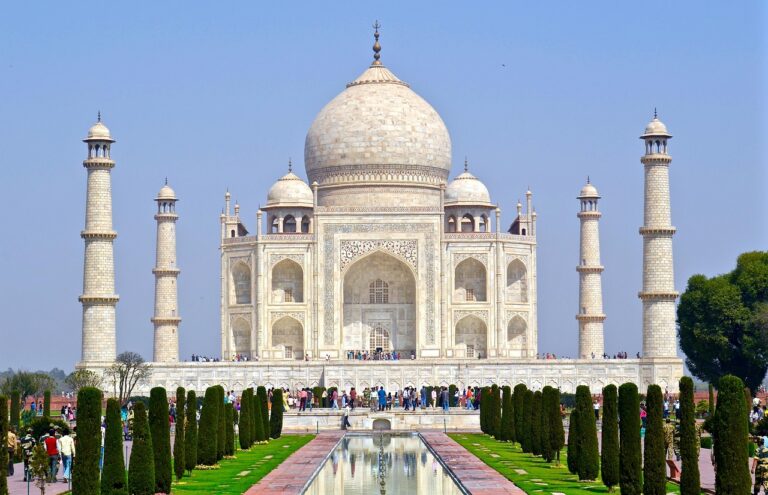

Cities in India
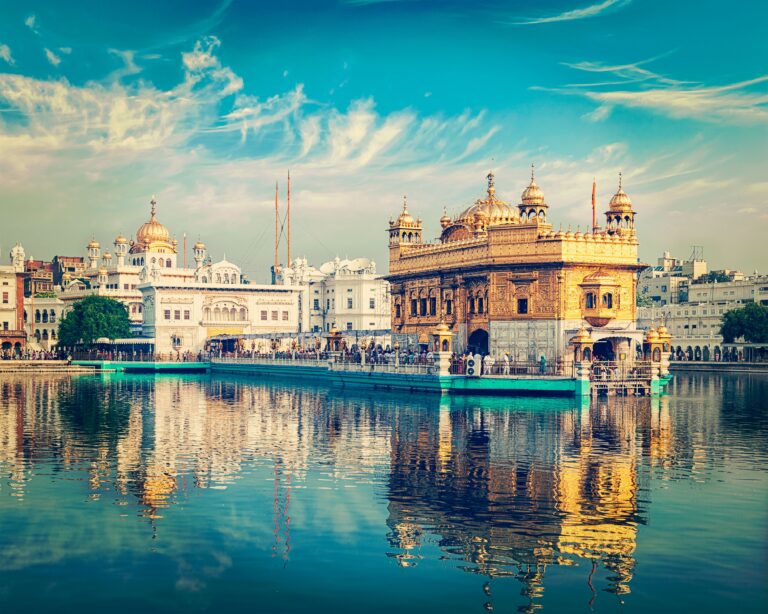


About NomadRoute
NomadRoute helps travelers discover destinations, compare flight options, and find competitive fares from trusted airlines and travel providers worldwide. We do not sell airline tickets directly. Instead, we connect travelers with leading booking partners.
Discover More Destinations
Find low fares from trusted travel providers.
Compare options and book directly with partners.
Explore destinations and routes worldwide.
Photo · Aryan Sharma · Pexels