
Travel Guide to Elephanta Caves
The Elephanta Caves, situated on Elephanta Island just a short ferry ride from Mumbai, are a remarkable archaeological site that showcases the rich cultural heritage of India. This collection of rock-cut caves dates back to the 5th to 8th centuries and is primarily dedicated to the Hindu god Shiva. Visitors are greeted by impressive sculptures, including the colossal Trimurti, a 20-foot depiction of a three-headed Shiva that exemplifies the artistry of ancient Indian craftsmen.
As you explore the caves, you'll encounter intricate carvings and reliefs that narrate various stories from Hindu mythology, creating an atmosphere that is both spiritual and historical. The lush greenery surrounding the caves adds to the serene experience, making it a perfect escape from the bustling city of Mumbai. The island itself is a peaceful retreat, offering scenic views and a chance to enjoy nature amidst the ancient ruins.
Continue reading the travel guide
Travel Guide to Elephanta Caves
When planning your visit, be prepared for a bit of a trek, as reaching the caves involves climbing a series of steps. The best time to visit is during the cooler months from November to February, when the weather is pleasant for exploration. The Elephanta Caves not only provide a glimpse into India's artistic past but also serve as a tranquil getaway, making them a must-see for any traveler in the Mumbai area.
Why Visit?
Visiting the Elephanta Caves offers a unique opportunity to explore ancient rock-cut sculptures and immerse yourself in India's rich cultural and spiritual heritage. The breathtaking artistry and serene island setting make it a perfect day trip from Mumbai.
Best Time to Visit
The ideal time to visit the Elephanta Caves is between November and February, when the weather is cooler and more comfortable for exploring the site. Early morning visits can also help you avoid crowds and enjoy a peaceful experience.
Ready to go? Plan your Elephanta Caves trip → Good to know →
Plan your trip to Elephanta Caves
Flights, accommodation and ways to get around — plan the details that matter to you.
Find flights to Elephanta Caves
Nearest recommended airport search point: BOM.
See recent flight offersTo Mumbai €72From Mumbai €72
Recent flight offers
Compare available fares and routes for Elephanta Caves.
Flights to Mumbai Arrivals · BOM
Cheap Flights to Mumbai for Elephanta Caves (BOM)
Compare recent fares to Mumbai, the suggested airport search point for visiting Elephanta Caves. Choose a listed deal or use the search box above to check prices from your airport.
Flights from Elephanta Caves Departures · BOM
Cheap Flights from Mumbai (BOM)
Compare the latest low fares from Mumbai to popular destinations. Prices are updated regularly and may change based on travel dates and availability.
Stay & getting around
Choose a neighbourhood, then decide how you will get from the airport and around the city.
Where to stay Neighbourhoods and accommodation
Where to Stay in Elephanta Caves
While there are no accommodations directly on Elephanta Island, Mumbai offers a wide range of hotels and guesthouses. Staying in South Mumbai provides easy access to the ferry terminal for a convenient trip to the caves.
Getting around Airport transfers and local transport

Getting Around Elephanta Caves
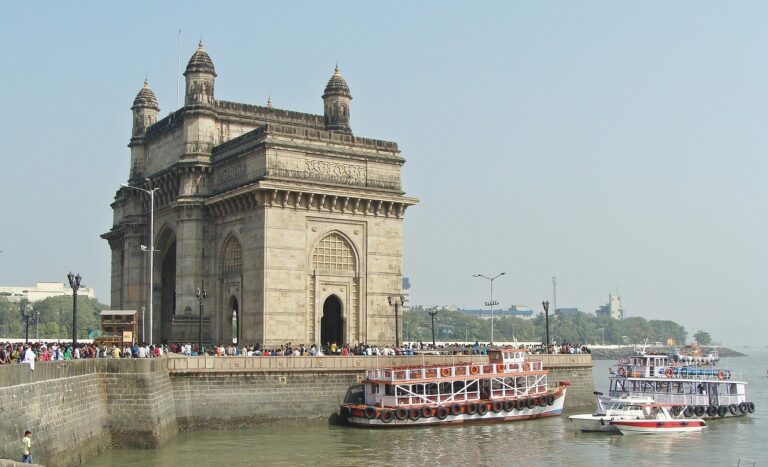
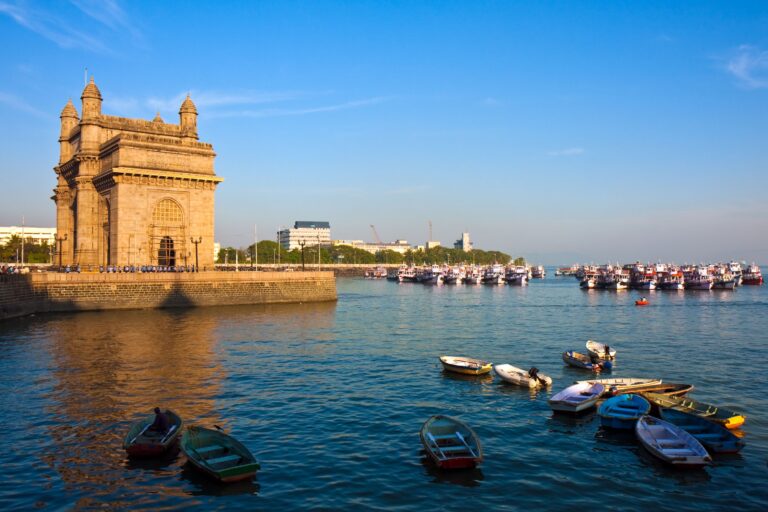
To reach the Elephanta Caves, take a ferry from the Gateway of India in Mumbai, which takes about 1 hour. Once on the island, visitors can walk to the caves, but be prepared for a steep climb. Local guides are available for hire, providing insights into the history and significance of the site.
Travel essentials
 Stay connected
 Flight delayed or cancelled?
Popular Activities in Elephanta Caves
Good to know about Elephanta Caves
Map & DirectionsChoose a map
Open Elephanta Caves in your preferred map app.




Country factsCapital, language and useful details
Quick Facts
Country
Location
Practical Information
Climate
India has a varied climate that ranges from tropical in the south to temperate in the north. The country experiences four main seasons: winter (December to February), summer (March to June), monsoon (June to September), and post-monsoon (October to November). Each region has its unique weather patterns, making it essential for travelers to plan accordingly.
Money
The local currency is the Indian rupee (INR). Cards and digital payments are common in cities, but cash remains useful for markets, small restaurants, transport, and rural areas.
Internet & SIM
Mobile coverage is extensive in urban areas, with various SIM and eSIM options available for tourists. Wi-Fi is widely accessible in hotels and cafes, but connectivity may be limited in rural regions.
Electricity
Voltage: 230 V
Frequency: 50 Hz
Safety
Emergency
112
Explore more in India
Places to Visit in India
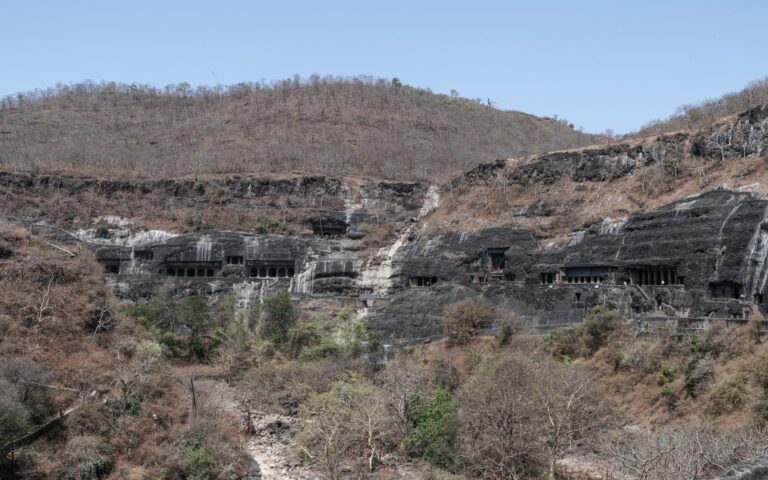
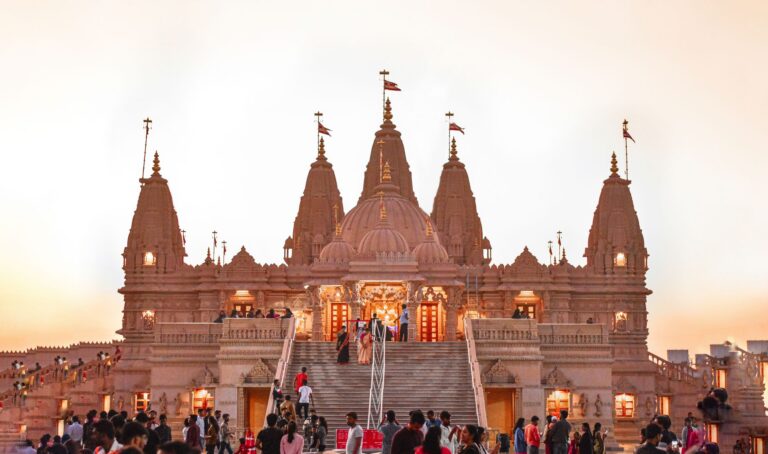
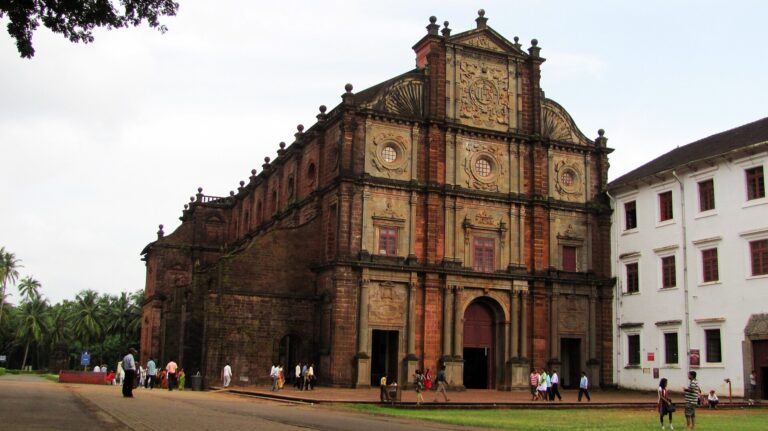
Cities in India
About NomadRoute
NomadRoute helps travelers discover destinations, compare flight options, and find competitive fares from trusted airlines and travel providers worldwide. We do not sell airline tickets directly. Instead, we connect travelers with leading booking partners.
Discover More Destinations
Find low fares from trusted travel providers.
Compare options and book directly with partners.
Explore destinations and routes worldwide.
Photo · Hiroki Ogawa · Wikimedia Commons · CC BY 3.0