
Travel Guide to Kruger National Park
Kruger National Park, located in northeastern South Africa, is one of Africa's largest game reserves, spanning over 7,500 square miles. Established in 1898, it is home to an impressive variety of wildlife, including the Big Five: lions, leopards, elephants, buffaloes, and rhinos. The park's diverse ecosystems range from savannahs to dense bushveld, providing a habitat for more than 500 bird species and numerous mammals, reptiles, and plants.
Visitors to Kruger can expect an immersive experience in nature, with opportunities for self-drive safaris, guided tours, and walking safaris. The park's extensive network of roads allows for easy exploration, while various rest camps offer comfortable accommodations and amenities. The atmosphere is one of tranquility and adventure, making it a perfect destination for wildlife enthusiasts and nature lovers alike.
Continue reading the travel guide
Travel Guide to Kruger National Park
When planning a visit, it’s essential to consider the best times for wildlife viewing, which typically occur during the dry winter months from May to September. The park's accessibility from the nearest airport, Kruger Mpumalanga International Airport (MQP), makes it a convenient destination for both local and international travelers.
Why Visit?
Kruger National Park is a must-visit for anyone looking to experience Africa's wildlife up close. Its vast landscapes, rich biodiversity, and the chance to see iconic animals in their natural habitat make it a unique adventure. Whether you prefer self-driving or guided tours, the park offers a variety of ways to explore its beauty and wildlife.
Best Time to Visit
The best time to visit Kruger National Park is during the dry winter months from May to September. During this period, wildlife is more easily spotted as animals congregate around water sources. The weather is generally mild and pleasant, making it ideal for outdoor activities and safaris.
Ready to go? Plan your Kruger National Park trip → Good to know →
Plan your trip to Kruger National Park
Flights, accommodation and ways to get around — plan the details that matter to you.
Find flights to Kruger National Park
Nearest recommended airport search point: MQP.
See recent flight offersFrom MQP €201
Recent flight offers
Compare available fares and routes for Kruger National Park.
Flights from Kruger National Park Departures · MQP
Cheap Flights from MQP (MQP)
Compare the latest low fares from MQP to popular destinations. Prices are updated regularly and may change based on travel dates and availability.
Stay & getting around
Choose a neighbourhood, then decide how you will get from the airport and around the city.
Where to stay Neighbourhoods and accommodation
Where to Stay in Kruger National Park
The best options for accommodation are within the park itself, where various rest camps provide a range of facilities from basic tents to comfortable lodges. Alternatively, nearby towns like Hazyview offer additional lodging and dining options, making them a practical base for exploring the park.
Getting around Airport transfers and local transport

Getting Around Kruger National Park
Travelers can reach Kruger National Park via Kruger Mpumalanga International Airport (MQP), which is about 40 kilometers from the park's entrance. Once inside, visitors can explore the park by self-driving or joining guided safari tours. The well-maintained road network allows for easy navigation and wildlife spotting.
Travel essentials
 Stay connected
 Flight delayed or cancelled?
Popular Activities in Kruger National Park
Good to know about Kruger National Park
Map & DirectionsChoose a map
Open Kruger National Park in your preferred map app.




Country factsCapital, language and useful details
Quick Facts
Country
Location
Practical Information
Climate
South Africa has a varied climate influenced by its diverse geography. Coastal regions generally experience a Mediterranean climate, while the interior has a more continental climate, characterized by hot summers and mild winters.
Money
The local currency is the South African Rand (ZAR). Cards are accepted in many places, but carrying some cash can be useful for small purchases, local transport, and rural areas.
Internet & SIM
Mobile coverage is generally good in urban areas, with various SIM and eSIM options available for tourists. Wi-Fi is widely accessible in hotels, cafes, and restaurants.
Electricity
Voltage: 230 V
Frequency: 50 Hz
Safety
Emergency
112 / 10111
Explore more in South Africa
Places to Visit in South Africa
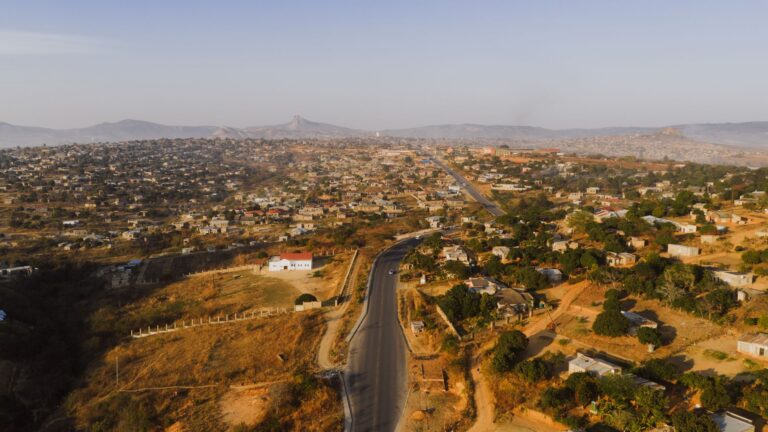
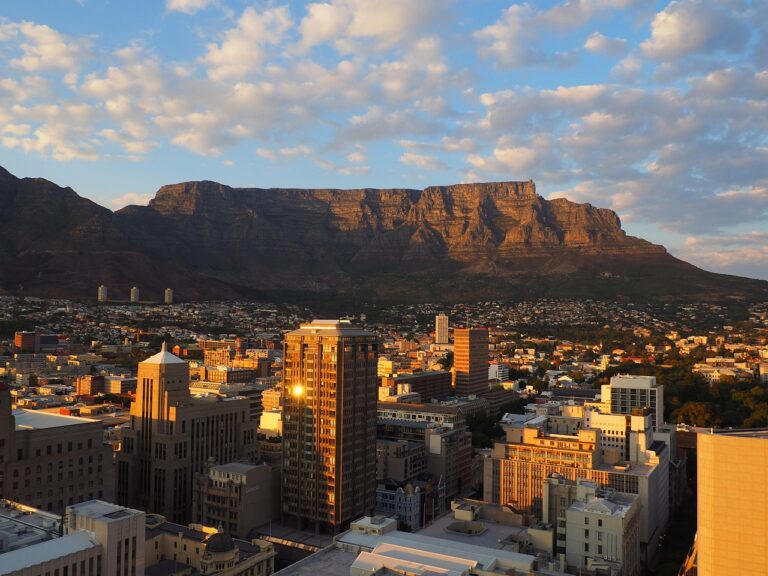
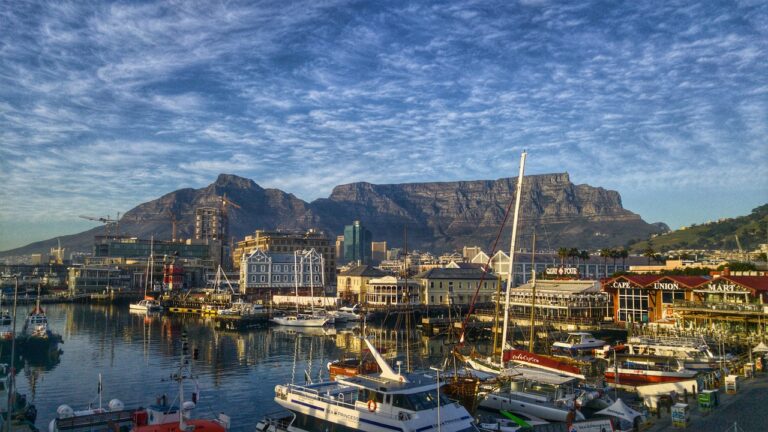
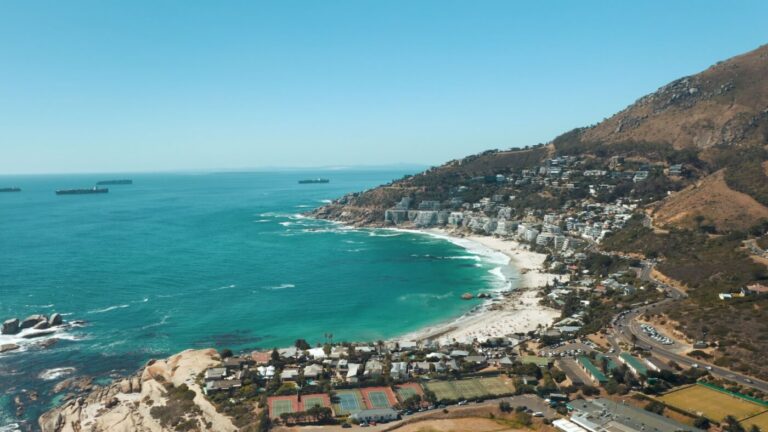
Cities in South Africa

About NomadRoute
NomadRoute helps travelers discover destinations, compare flight options, and find competitive fares from trusted airlines and travel providers worldwide. We do not sell airline tickets directly. Instead, we connect travelers with leading booking partners.
Discover More Destinations
Find low fares from trusted travel providers.
Compare options and book directly with partners.
Explore destinations and routes worldwide.