
Travel Guide to Cape Point
Cape Point, situated within the Cape of Good Hope Nature Reserve, is a remarkable destination that showcases the dramatic meeting point of the Atlantic and Indian Oceans. Visitors are greeted by towering cliffs, lush vegetation, and diverse wildlife, making it a haven for nature lovers and photographers alike. The iconic Cape Point Lighthouse, perched high above the sea, offers panoramic views of the surrounding coastline and is a must-visit for anyone exploring the area.
The region is steeped in history, having served as a crucial navigational landmark for sailors since the 15th century. Today, it remains a popular spot for hiking, with several trails that lead to breathtaking viewpoints and secluded beaches. The rich marine life, including dolphins and seals, can often be spotted from the cliffs, adding to the allure of this stunning landscape.
Continue reading the travel guide
Travel Guide to Cape Point
When planning your visit, be sure to allocate sufficient time to explore the various walking paths, enjoy a picnic with a view, and take in the unique flora and fauna that thrive in this protected environment. Cape Point is not just a scenic spot; it’s an experience that connects visitors to the natural beauty and historical significance of South Africa's coastline.
Why Visit?
Cape Point offers a unique blend of stunning natural beauty, rich biodiversity, and historical significance. Its breathtaking views and diverse wildlife make it a perfect destination for outdoor enthusiasts and those seeking a memorable experience in nature.
Best Time to Visit
The best time to visit Cape Point is during the spring (September to November) and autumn (March to May) months when the weather is mild and the landscape is vibrant. Early mornings or late afternoons provide the best light for photography and fewer crowds.
Ready to go? Plan your Cape Point trip → Good to know →
Plan your trip to Cape Point
Flights, accommodation and ways to get around — plan the details that matter to you.
Find flights to Cape Point
Nearest recommended airport search point: CPT.
See recent flight offersTo Cape Town €120From Cape Town €126
Recent flight offers
Compare available fares and routes for Cape Point.
Flights to Cape Town Arrivals · CPT
Cheap Flights to Cape Town for Cape Point (CPT)
Compare recent fares to Cape Town, the suggested airport search point for visiting Cape Point. Choose a listed deal or use the search box above to check prices from your airport.
Flights from Cape Point Departures · CPT
Cheap Flights from Cape Town (CPT)
Compare the latest low fares from Cape Town to popular destinations. Prices are updated regularly and may change based on travel dates and availability.
Stay & getting around
Choose a neighbourhood, then decide how you will get from the airport and around the city.
Where to stay Neighbourhoods and accommodation
Where to Stay in Cape Point
The most practical base for visiting Cape Point is Cape Town, where a range of accommodations are available, from luxury hotels to budget-friendly hostels. Staying in Cape Town also allows easy access to other attractions in the region.
Getting around Airport transfers and local transport

Getting Around Cape Point
To reach Cape Point, visitors typically drive from Cape Town, which is about a 45-minute journey. Public transport options, such as buses and tours, are also available. Once at Cape Point, walking is the best way to explore the area, with well-marked trails leading to various attractions.
Travel essentials
 Stay connected
 Flight delayed or cancelled?
Popular Activities in Cape Point
Good to know about Cape Point
Map & DirectionsChoose a map
Open Cape Point in your preferred map app.



Country factsCapital, language and useful details
Quick Facts
Country
Location
Practical Information
Climate
South Africa has a varied climate influenced by its diverse geography. Coastal regions generally experience a Mediterranean climate, while the interior has a more continental climate, characterized by hot summers and mild winters.
Money
The local currency is the South African Rand (ZAR). Cards are accepted in many places, but carrying some cash can be useful for small purchases, local transport, and rural areas.
Internet & SIM
Mobile coverage is generally good in urban areas, with various SIM and eSIM options available for tourists. Wi-Fi is widely accessible in hotels, cafes, and restaurants.
Electricity
Voltage: 230 V
Frequency: 50 Hz
Safety
Emergency
112 / 10111
Explore more in South Africa
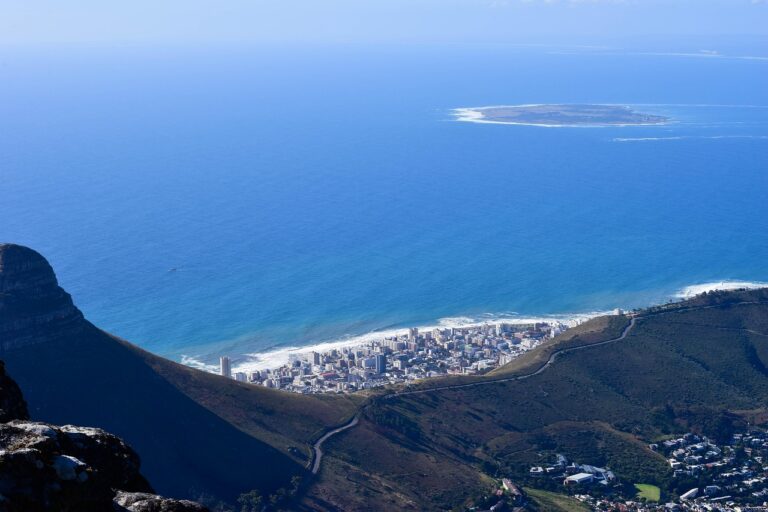
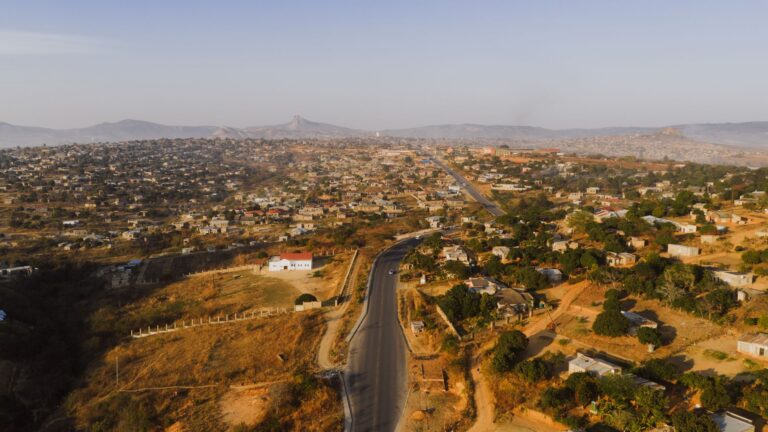
Places to Visit in South Africa






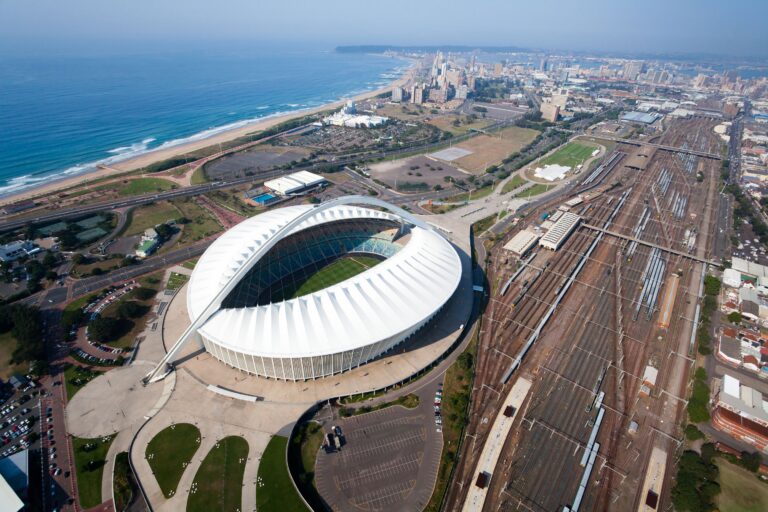
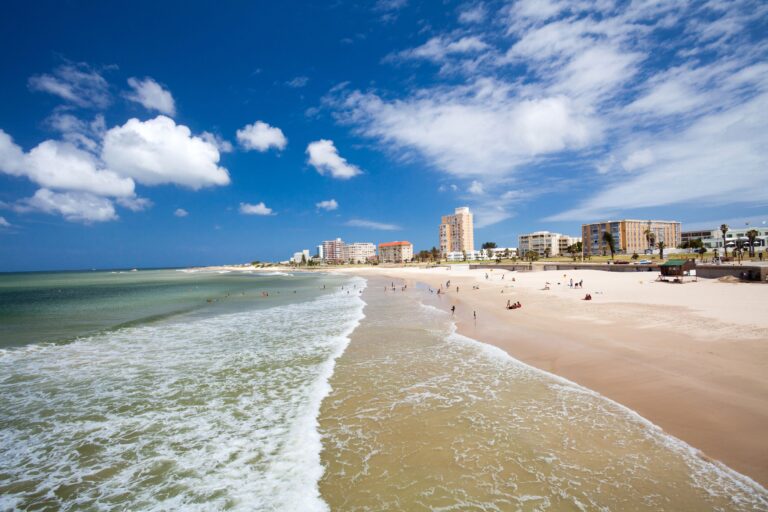
Cities in South Africa



About NomadRoute
NomadRoute helps travelers discover destinations, compare flight options, and find competitive fares from trusted airlines and travel providers worldwide. We do not sell airline tickets directly. Instead, we connect travelers with leading booking partners.
Discover More Destinations
Find low fares from trusted travel providers.
Compare options and book directly with partners.
Explore destinations and routes worldwide.