
Travel Guide to Côte d’Ivoire
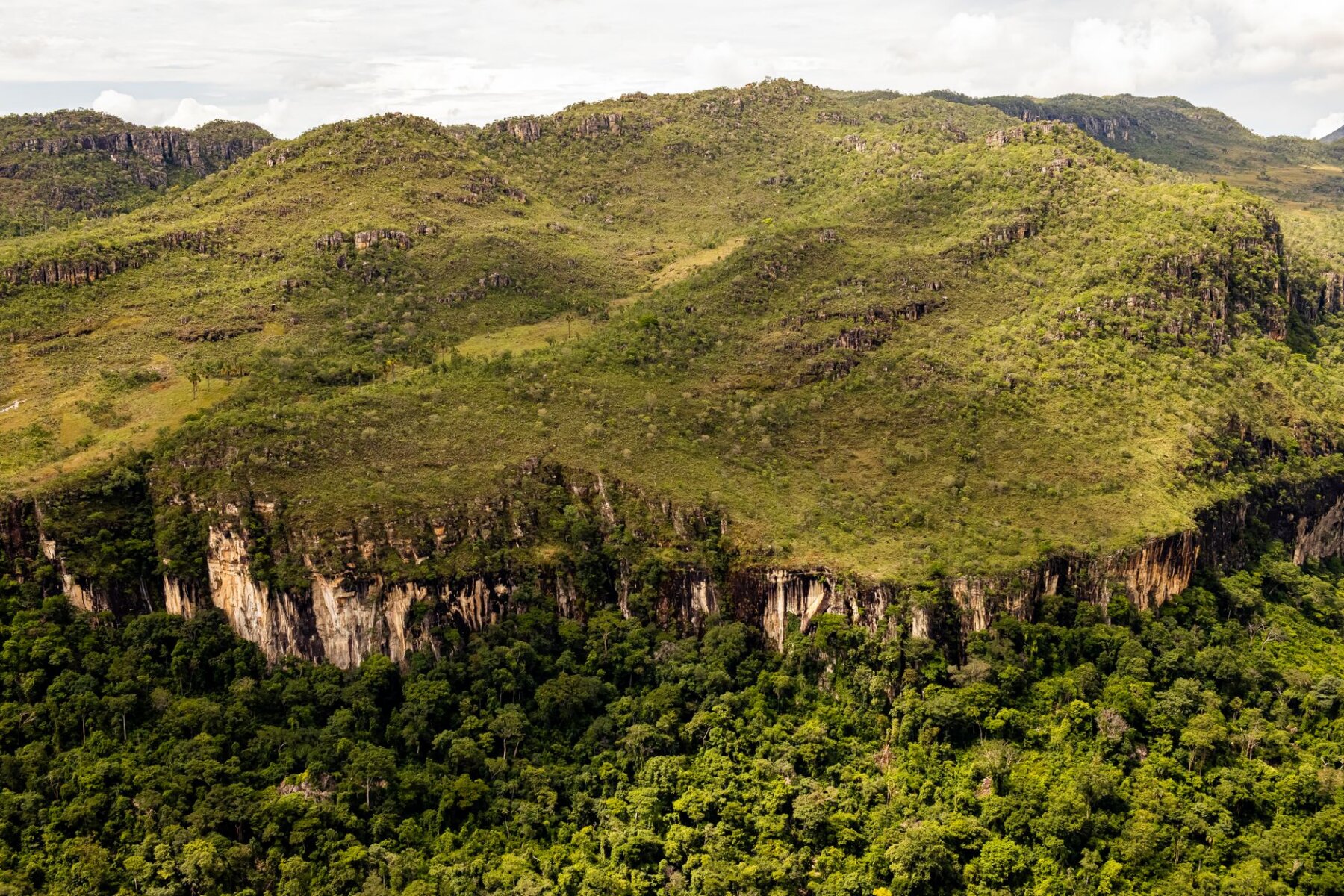
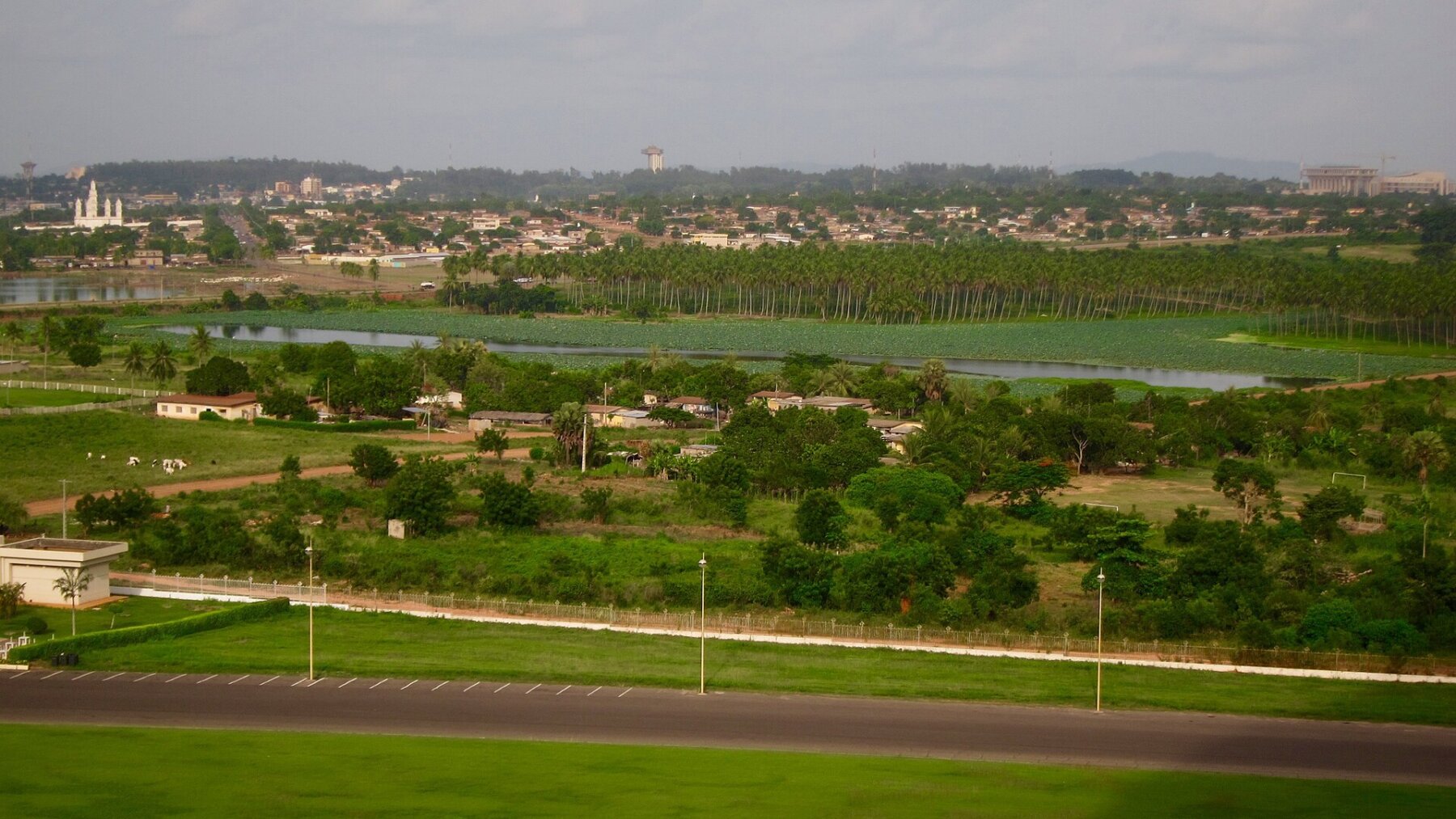
Côte d’Ivoire, located in West Africa, is a country that beautifully blends cultural heritage with stunning natural landscapes. The bustling economic capital, Abidjan, is known for its vibrant markets and nightlife, while Yamoussoukro, the political capital, is famous for its impressive basilica, the Basilica of Our Lady of Peace, one of the largest churches in the world. Nature enthusiasts will find solace in the breathtaking Taï National Park, a UNESCO World Heritage site, where they can witness diverse wildlife and lush rainforests.
The Ivorian culture is a rich tapestry woven from over 60 ethnic groups, each contributing to the country’s vibrant arts, music, and culinary traditions. Festivals such as the Fête de la Musique in June and the Abidjan Carnival in February showcase local talent and provide a glimpse into the country's cultural vibrancy. The coastal city of San Pedro is renowned for its beautiful beaches, offering opportunities for relaxation and water sports.
Continue reading the travel guide
Travel Guide to Côte d’Ivoire
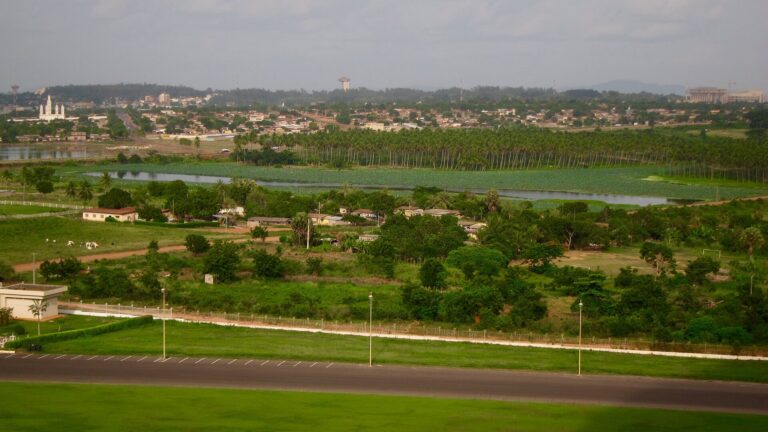
Côte d’Ivoire's geography is equally diverse, featuring mountainous regions in the west, savannahs in the north, and picturesque coastal areas. Historical sites like Grand-Bassam, another UNESCO World Heritage site, are known for their colonial architecture and scenic beaches. Whether you are exploring the lively markets of Abidjan, trekking through the jungles of Comoe National Park, or enjoying the serene landscapes of Mount Nimba, Côte d’Ivoire promises an unforgettable travel experience.
Why Visit?
Côte d’Ivoire is an enticing destination for travelers seeking a mix of culture, adventure, and relaxation. Experience the vibrant local markets in Abidjan, explore the stunning natural beauty of national parks, and immerse yourself in the rich traditions of the Ivorian people. With its diverse attractions, from historical sites to beautiful beaches, Côte d’Ivoire offers something for every type of traveler.
Best Time to Visit
The best time to visit Côte d’Ivoire is during the dry season, which runs from November to March. This period offers pleasant weather, making it ideal for outdoor activities and exploring the country’s attractions. The wet season, from April to October, can bring heavy rainfall, particularly in the western regions, which may affect travel plans. However, the lush landscapes during this time can be quite beautiful. If you’re interested in experiencing local festivals, plan your visit around the Fête de la Musique in June or the Abidjan Carnival in February, when the country comes alive with music and cultural celebrations.
Côte d’Ivoire highlights
View all
Top Attractions in Côte d’Ivoire
- Taï National Park
- Grand-Bassam
- Abidjan
- Yamoussoukro
- San Pedro
- Comoe National Park
- Mount Nimba
- Bouna
- Sassandra
- Man
Ready to go? Plan your Côte d’Ivoire trip → Good to know →
Plan your trip to Côte d’Ivoire
Flights, accommodation and ways to get around — plan the details that matter to you.
Stay & getting around
Choose a neighbourhood, then decide how you will get from the airport and around the city.
Where to stay Neighbourhoods and accommodation
Getting around Airport transfers and local transport

Travel essentials
 Stay connected
 Flight delayed or cancelled?
Popular Activities in Côte d’Ivoire
Good to know about Côte d’Ivoire
Map & DirectionsChoose a map
Open Côte d’Ivoire in your preferred map app.




Country factsCapital, language and useful details
Quick Facts
Country
Location
Practical Information
Climate
Côte d’Ivoire has a tropical climate, characterized by a wet season from April to October and a dry season from November to March. Coastal areas experience humid conditions, while the northern regions are drier and hotter.
Money
The local currency is XOF - CFA Franc BCEAO. Cards are accepted in many places, but carrying some cash can be useful for small purchases, local transport, and rural areas.
Internet & SIM
Mobile coverage is generally good in urban areas, with several providers offering SIM and eSIM options for tourists. Wi-Fi is available in many hotels and cafes, but connectivity may be limited in rural regions.
Electricity
Voltage: 220 / 230 V
Frequency: 50 Hz
Safety
Emergency
112 / 999
Frequently Asked Travel Questions
What is the best time to visit Côte d’Ivoire?
The best time to visit is during the dry season from November to March, when the weather is pleasant for outdoor activities.
What is the local currency in Côte d’Ivoire?
The local currency is the CFA Franc BCEAO (XOF). While cards are accepted in many places, it's advisable to carry cash for small purchases.
What are the main airports in Côte d’Ivoire?
The main airport is Félix Houphouët-Boigny International Airport in Abidjan, which serves as the primary gateway for international flights.
Is Côte d’Ivoire safe for travelers?
Côte d’Ivoire is generally safe for travelers, but it's important to stay informed about local conditions and take standard safety precautions.
Do I need a visa to enter Côte d’Ivoire?
Visa requirements vary by nationality. It's recommended to check the official requirements before traveling to Côte d’Ivoire.
Explore more in Côte d’Ivoire
Places to Visit in Côte d’Ivoire
About NomadRoute
NomadRoute helps travelers discover destinations, compare flight options, and find competitive fares from trusted airlines and travel providers worldwide. We do not sell airline tickets directly. Instead, we connect travelers with leading booking partners.
Discover More Destinations
Find low fares from trusted travel providers.
Compare options and book directly with partners.
Explore destinations and routes worldwide.
Photo · CIRAD · Wikimedia Commons · CC BY 3.0