
Travel Guide to Comoe National Park
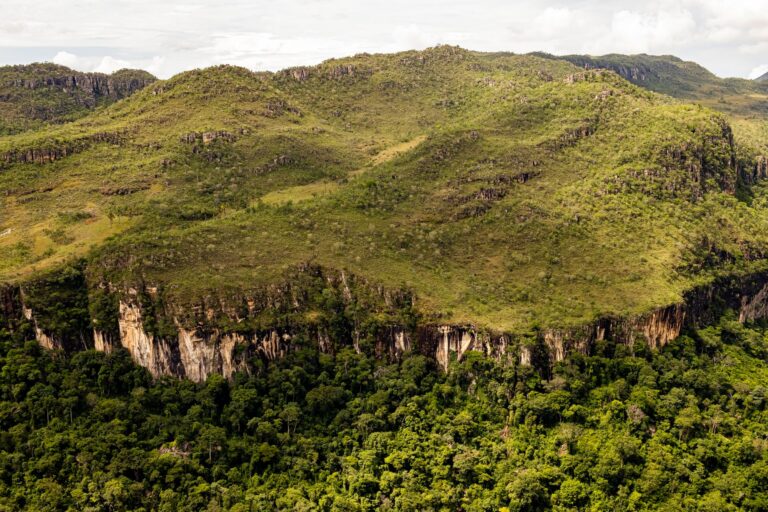
Comoe National Park, located in the northeastern region of Côte d’Ivoire, is a UNESCO World Heritage Site that spans over 1,150 square kilometers. This national park is renowned for its diverse ecosystems, which include dense forests, savannahs, and rivers, making it a haven for wildlife enthusiasts. Visitors can expect to encounter a variety of species, including elephants, antelopes, and numerous bird species, as well as the unique flora that thrives in this protected area.
The park offers a tranquil escape into nature, with opportunities for hiking, birdwatching, and exploring the scenic landscapes. The atmosphere is serene, allowing visitors to immerse themselves in the sounds of the forest and the sights of the abundant wildlife. The park's remote location adds to its charm, providing a sense of adventure for those willing to venture off the beaten path.
Continue reading the travel guide
Travel Guide to Comoe National Park
When planning a visit, it is essential to consider the best times to explore the park, as the climate can vary significantly throughout the year. With its combination of natural beauty and ecological significance, Comoe National Park is a must-visit destination for anyone looking to experience the wild heart of Côte d’Ivoire.
Why Visit?
Visiting Comoe National Park offers a unique opportunity to experience one of Africa's most biodiverse ecosystems. The park's stunning landscapes and rich wildlife provide an unforgettable adventure for nature lovers and photographers alike. Additionally, its status as a UNESCO World Heritage Site highlights its importance in global conservation efforts, making it a meaningful destination for eco-conscious travelers.
Best Time to Visit
The best time to visit Comoe National Park is during the dry season, which typically runs from November to April. This period offers more accessible trails and better wildlife viewing opportunities, as animals are more likely to gather around water sources. Early mornings and late afternoons are ideal for spotting wildlife, as animals are more active during these times.
Ready to go? Plan your Comoe National Park trip → Good to know →
Plan your trip to Comoe National Park
Flights, accommodation and ways to get around — plan the details that matter to you.
Stay & getting around
Choose a neighbourhood, then decide how you will get from the airport and around the city.
Where to stay Neighbourhoods and accommodation
Where to Stay in Comoe National Park
While there are no accommodations directly within Comoe National Park, visitors can stay in nearby towns such as Bouna or Tanda. These towns offer basic lodging options and serve as convenient bases for exploring the park.
Getting around Airport transfers and local transport

Getting Around Comoe National Park
To reach Comoe National Park, travelers can fly into the nearest airport in Bouna, followed by a road trip to the park entrance. Once inside the park, visitors can explore on foot or join guided tours to navigate the trails and maximize wildlife sightings. It's advisable to hire a local guide for a more enriching experience.
Travel essentials
 Stay connected
 Flight delayed or cancelled?
Popular Activities in Comoe National Park
Good to know about Comoe National Park
Country factsCapital, language and useful details
Quick Facts
Country
Location
Practical Information
Climate
Côte d’Ivoire has a tropical climate, characterized by a wet season from April to October and a dry season from November to March. Coastal areas experience humid conditions, while the northern regions are drier and hotter.
Money
The local currency is XOF - CFA Franc BCEAO. Cards are accepted in many places, but carrying some cash can be useful for small purchases, local transport, and rural areas.
Internet & SIM
Mobile coverage is generally good in urban areas, with several providers offering SIM and eSIM options for tourists. Wi-Fi is available in many hotels and cafes, but connectivity may be limited in rural regions.
Electricity
Voltage: 220 / 230 V
Frequency: 50 Hz
Safety
Emergency
112 / 999
Explore more in Côte d’Ivoire
Places to Visit in Côte d’Ivoire
About NomadRoute
NomadRoute helps travelers discover destinations, compare flight options, and find competitive fares from trusted airlines and travel providers worldwide. We do not sell airline tickets directly. Instead, we connect travelers with leading booking partners.
Discover More Destinations
Find low fares from trusted travel providers.
Compare options and book directly with partners.
Explore destinations and routes worldwide.