
Travel Guide to Caspian Sea
The Caspian Sea, bordered by five countries including Iran, is a remarkable natural landscape that captivates visitors with its vastness and beauty. This unique body of water, often referred to as the world's largest lake, stretches over 1,200 kilometers and is rich in biodiversity. The sea is surrounded by diverse ecosystems, from sandy beaches to rugged mountains, making it a perfect destination for nature lovers and adventure seekers alike.
Visitors to the Caspian Sea can enjoy a variety of activities, including swimming, fishing, and boating. The region is also known for its rich cultural heritage, with ancient cities and archaeological sites dotting the coastline. The nearby cities of Rasht and Anzali offer a glimpse into the local lifestyle, with bustling markets and delicious Persian cuisine. Whether you're looking to relax by the water or explore the surrounding landscapes, the Caspian Sea provides a unique blend of natural beauty and cultural experiences.
Continue reading the travel guide
Travel Guide to Caspian Sea
When planning your visit, consider the best times to enjoy the sea's offerings, as the weather can vary significantly throughout the year. The Caspian Sea is not only a stunning destination but also a vital part of the region's ecology and economy, making it a fascinating place to explore.
Why Visit?
Visiting the Caspian Sea offers a unique opportunity to experience the world's largest enclosed inland body of water, surrounded by diverse landscapes and rich cultural heritage. From relaxing on its beautiful beaches to exploring ancient cities, the Caspian Sea promises unforgettable experiences.
Best Time to Visit
The best time to visit the Caspian Sea is during the spring (April to June) and autumn (September to November) when the weather is mild and pleasant. Summer can be quite hot, while winter temperatures can drop significantly, making outdoor activities less enjoyable.
Ready to go? Plan your Caspian Sea trip → Good to know →
Plan your trip to Caspian Sea
Flights, accommodation and ways to get around — plan the details that matter to you.
Find flights to Caspian Sea
Nearest recommended airport search point: THR.
See recent flight offersFrom Tehran €174
Recent flight offers
Compare available fares and routes for Caspian Sea.
Flights from Caspian Sea Departures · THR
Cheap Flights from Tehran (THR)
Compare the latest low fares from Tehran to popular destinations. Prices are updated regularly and may change based on travel dates and availability.
Stay & getting around
Choose a neighbourhood, then decide how you will get from the airport and around the city.
Where to stay Neighbourhoods and accommodation
Where to Stay in Caspian Sea
The city of Rasht serves as an excellent base for exploring the Caspian Sea, offering a range of accommodations from budget hotels to more luxurious options. Alternatively, you can find charming guesthouses along the coastline for a more immersive experience.
Getting around Airport transfers and local transport

Getting Around Caspian Sea
To reach the Caspian Sea, the nearest major airport is Tehran's Imam Khomeini International Airport (THR), from which you can drive or take a bus to the coastal cities. Once there, local transportation options include taxis and buses, making it easy to explore the area.
Travel essentials
 Stay connected
 Flight delayed or cancelled?
Popular Activities in Caspian Sea
Good to know about Caspian Sea
Country factsCapital, language and useful details
Quick Facts
Country
Location
Practical Information
Climate
Iran has varied travel conditions depending on the region and season. The climate ranges from arid and semi-arid in the central regions to Mediterranean along the northern coast. Summer can be extremely hot, while winters can be quite cold, especially in the mountainous areas.
Money
The local currency is IRR - Iranian Rial. Cards are accepted in many places, but carrying some cash can be useful for small purchases, local transport, and rural areas.
Internet & SIM
Mobile coverage is generally good in urban areas, and SIM cards are readily available for purchase. Wi-Fi is accessible in many hotels and cafes, but connectivity may be limited in rural regions.
Electricity
Voltage: 230 V
Frequency: 50 Hz
Safety
Emergency
110 / 115 / 125
Explore more in Iran
Places to Visit in Iran
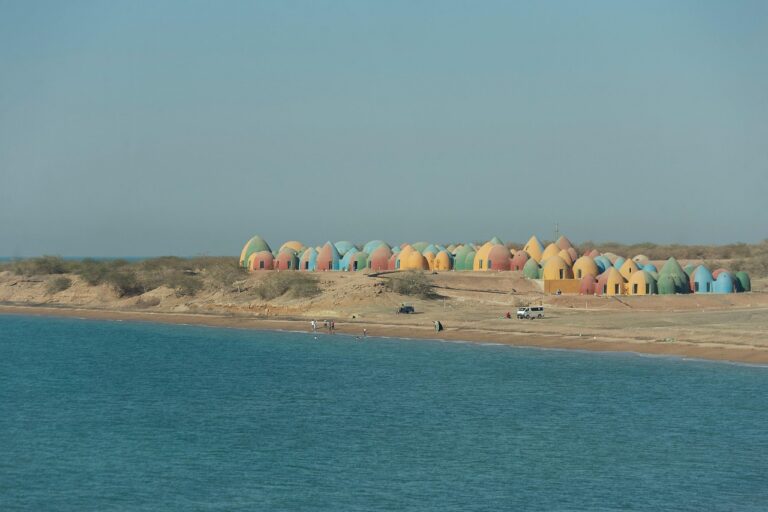
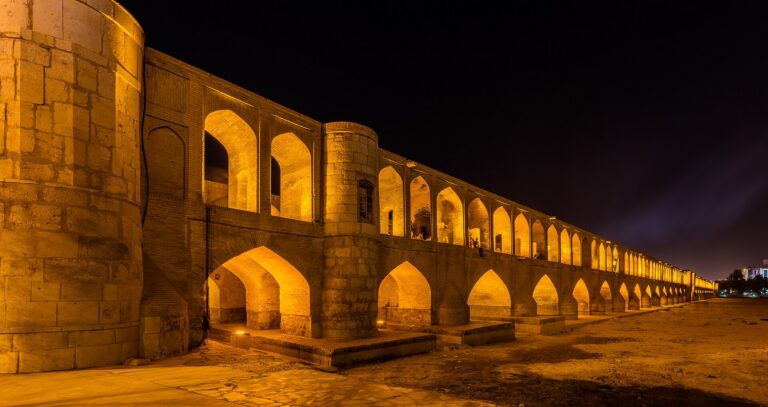
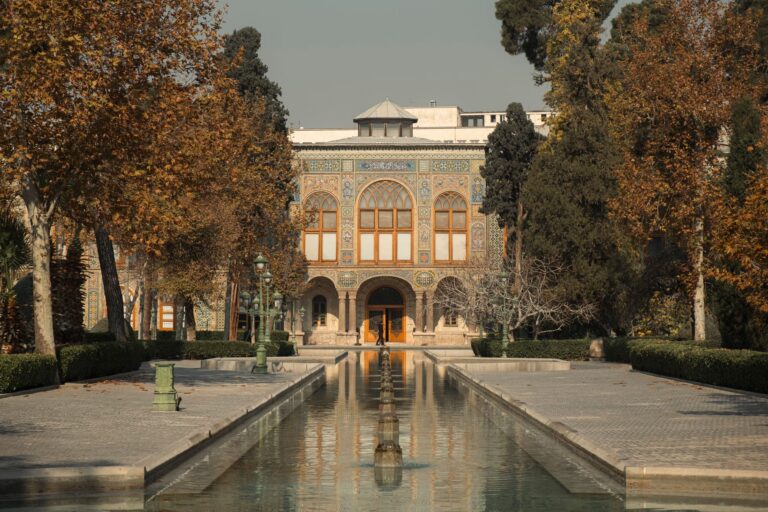
Cities in Iran
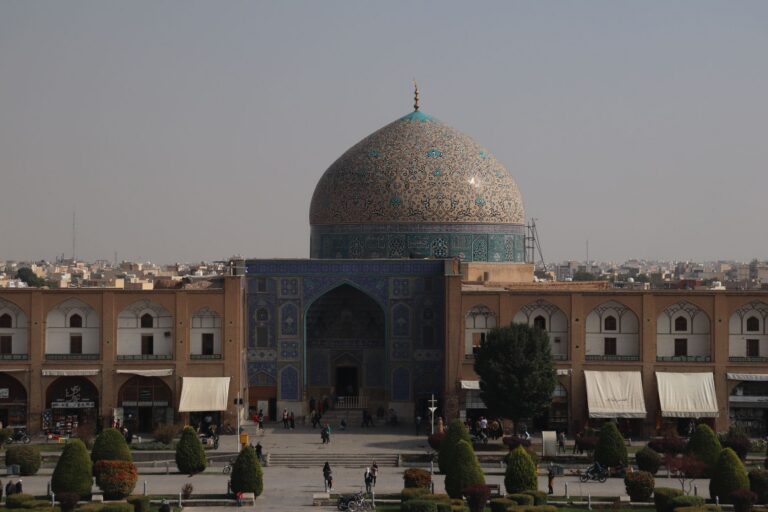
About NomadRoute
NomadRoute helps travelers discover destinations, compare flight options, and find competitive fares from trusted airlines and travel providers worldwide. We do not sell airline tickets directly. Instead, we connect travelers with leading booking partners.
Find low fares from trusted travel providers.
Compare options and book directly with partners.
Explore destinations and routes worldwide.