
Travel Guide to Hormuz Island
Hormuz Island, located in the Strait of Hormuz, is a captivating destination in Iran, just 8 kilometers from the mainland. Covering an area of 42 square kilometers, this island is renowned for its striking natural phenomena, particularly its reddish ochre beaches and waters, which create a surreal and breathtaking landscape. Many visitors are drawn to Hormuz Island for its unique geological features, including colorful rock formations and intriguing salt caves, which offer a glimpse into the island's ancient geological history.
The island's highest point rises 186 meters above sea level, and due to its arid climate, rainfall is scarce, resulting in high salinity in both soil and water. Freshwater is supplied from the mainland through a pipeline, and during the summer months, temperatures can soar above 40°C, making it essential for visitors to stay hydrated and protected from the sun.
Continue reading the travel guide
Travel Guide to Hormuz Island
Hormuz Island boasts a rich history, having been ruled by various powers, including the Portuguese in the 16th century. The remnants of the St. Mary’s Fortress, a defensive structure built under Portuguese supervision, can still be seen at the northern tip of the island. Despite its historical significance, the island lacks extensive historical architecture, making its natural beauty the main attraction.
Getting to Hormuz Island is convenient via ferry from Bandar Abbas, the capital of Hormozgan Province, with multiple daily departures. Once on the island, visitors can explore its attractions using tuk-tuks or bicycles, with options for overnight stays in local hotels or guesthouses. The island also offers a variety of dining options, featuring simple yet flavorful Iranian dishes, particularly those based on rice and shrimp, along with delicious milkshakes flavored with dates. Whether you're drawn by its stunning landscapes or its intriguing history, Hormuz Island promises a memorable experience.
Why Visit?
Hormuz Island is a must-visit for its unique landscapes, rich history, and vibrant culture. The island's striking ochre beaches and geological formations offer a one-of-a-kind experience for nature lovers and photographers alike. Additionally, its historical significance and local cuisine provide a deeper understanding of Iranian culture.
Best Time to Visit
The best time to visit Hormuz Island is during the cooler months from November to March, when temperatures are more pleasant for outdoor activities and exploration.
Ready to go? Plan your Hormuz Island trip → Good to know →
Plan your trip to Hormuz Island
Flights, accommodation and ways to get around — plan the details that matter to you.
Find flights to Hormuz Island
Nearest recommended airport search point: BND.
See recent flight offers
Recent flight offers
Compare available fares and routes for Hormuz Island.
Stay & getting around
Choose a neighbourhood, then decide how you will get from the airport and around the city.
Where to stay Neighbourhoods and accommodation
Where to Stay in Hormuz Island
Accommodation options on Hormuz Island include local hotels, motels, and guesthouses. For a more authentic experience, consider staying with a local family who offers home stays.
Getting around Airport transfers and local transport

Getting Around Hormuz Island
Transportation on Hormuz Island is convenient with tuk-tuks available for rent at the port, typically costing less than 2 euros per hour. Bicycles can also be rented for a more leisurely exploration of the island.
Travel essentials
 Stay connected
 Flight delayed or cancelled?
Popular Activities in Hormuz Island
Good to know about Hormuz Island
Map & DirectionsChoose a map
Open Hormuz Island in your preferred map app.




Country factsCapital, language and useful details
Quick Facts
Country
Location
Practical Information
Climate
Iran has varied travel conditions depending on the region and season. The climate ranges from arid and semi-arid in the central regions to Mediterranean along the northern coast. Summer can be extremely hot, while winters can be quite cold, especially in the mountainous areas.
Money
The local currency is IRR - Iranian Rial. Cards are accepted in many places, but carrying some cash can be useful for small purchases, local transport, and rural areas.
Internet & SIM
Mobile coverage is generally good in urban areas, and SIM cards are readily available for purchase. Wi-Fi is accessible in many hotels and cafes, but connectivity may be limited in rural regions.
Electricity
Voltage: 230 V
Frequency: 50 Hz
Safety
Emergency
110 / 115 / 125
Explore more in Iran
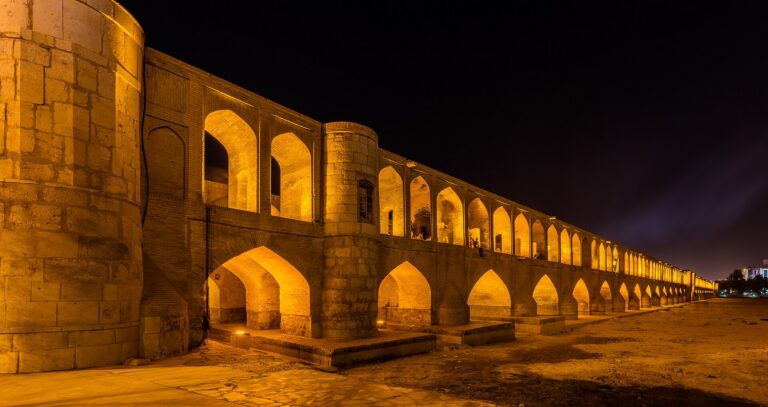
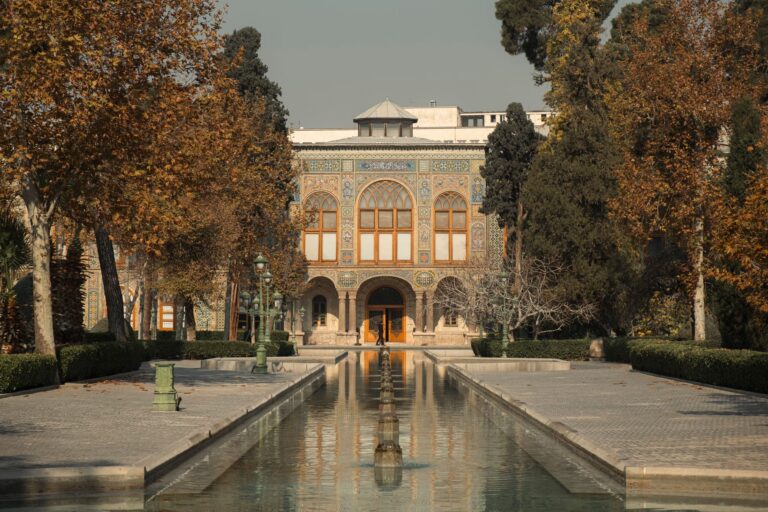
Places to Visit in Iran
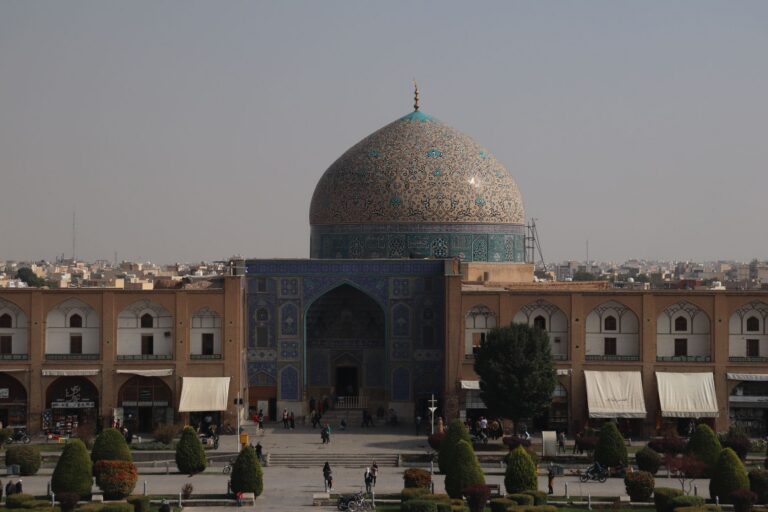
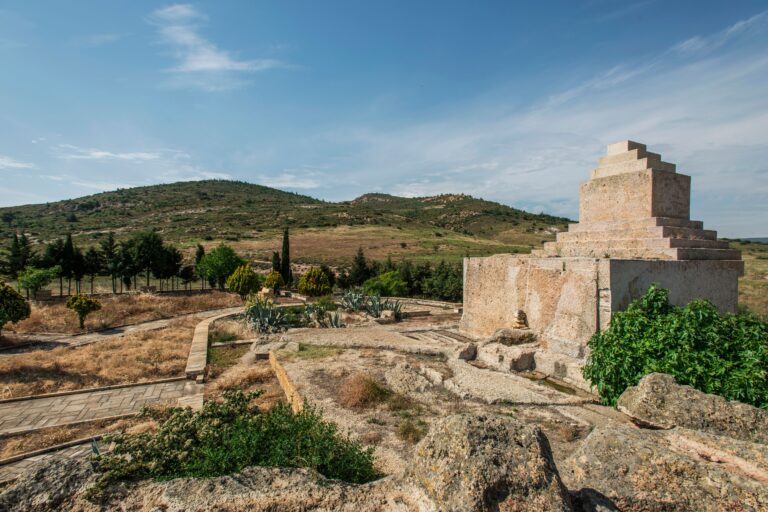
Cities in Iran
About NomadRoute
NomadRoute helps travelers discover destinations, compare flight options, and find competitive fares from trusted airlines and travel providers worldwide. We do not sell airline tickets directly. Instead, we connect travelers with leading booking partners.
Discover More Destinations
Find low fares from trusted travel providers.
Compare options and book directly with partners.
Explore destinations and routes worldwide.