
Travel Guide to National Park of American Samoa
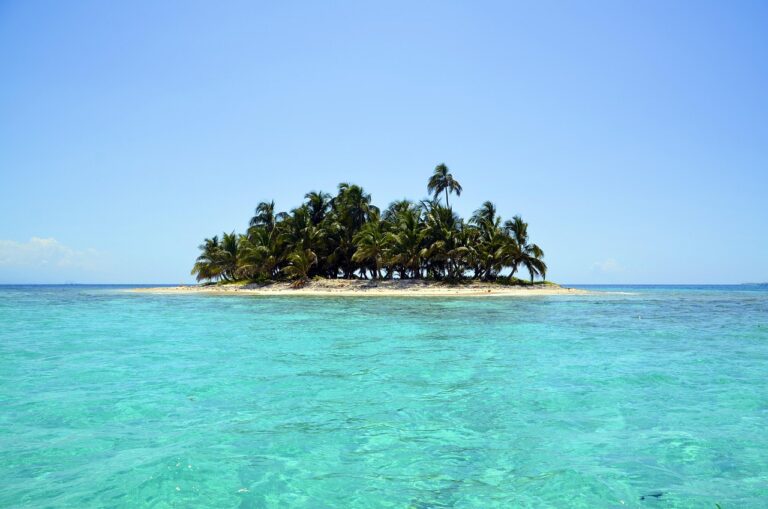
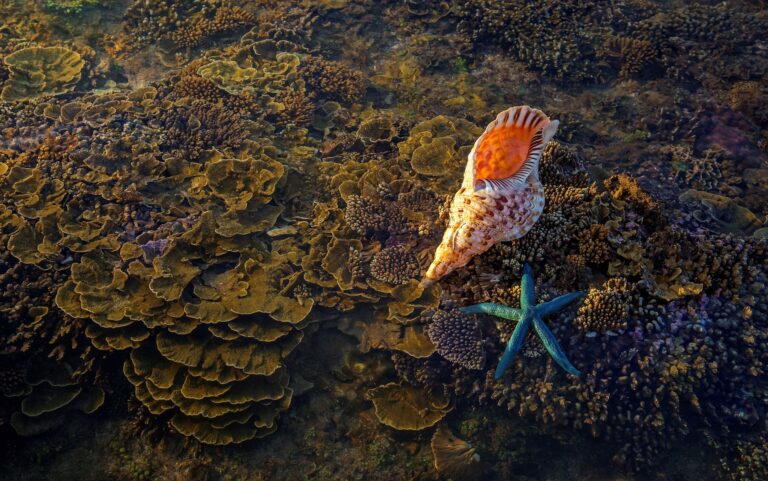
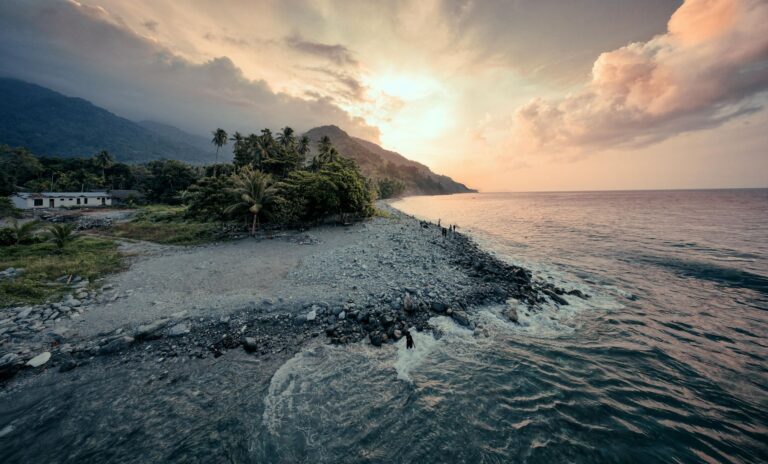
The National Park of American Samoa, established in 1988, is a unique blend of breathtaking landscapes and vibrant culture. This park encompasses over 13,000 acres of land and sea, showcasing the stunning beauty of the Samoan islands. Visitors can explore lush rainforests, pristine beaches, and coral reefs teeming with marine life. The park is not only a haven for nature lovers but also a place to experience the rich cultural traditions of the Samoan people.
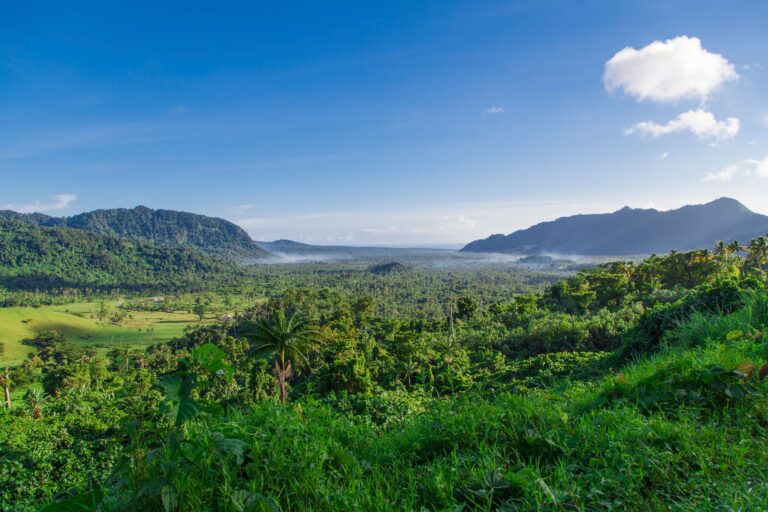
Hiking trails wind through the tropical forests, offering opportunities to see native wildlife and enjoy panoramic views of the coastline. The park's diverse ecosystems support a variety of plants and animals, some of which are found nowhere else in the world. Visitors can also engage in cultural activities, learning about traditional Samoan practices and the significance of the land to the local community.
Continue reading the travel guide
Travel Guide to National Park of American Samoa
When planning a visit, it's important to consider the best times to explore the park, as well as the various amenities available for tourists. The nearest airport is Pago Pago International Airport (PPG), making access to the park convenient for travelers arriving in American Samoa.
Why Visit?
The National Park of American Samoa offers a rare opportunity to experience untouched natural beauty and rich cultural heritage in a serene setting. Its unique ecosystems and vibrant marine life make it a paradise for outdoor enthusiasts and those seeking a deeper understanding of Samoan culture.
Best Time to Visit
The best time to visit the National Park of American Samoa is during the dry season, from May to October, when the weather is more pleasant for outdoor activities. Early mornings or late afternoons are ideal for hiking and wildlife spotting, as temperatures are cooler and the light is perfect for photography.
Ready to go? Plan your National Park of American Samoa trip → Good to know →
Plan your trip to National Park of American Samoa
Flights, accommodation and ways to get around — plan the details that matter to you.
Find flights to National Park of American Samoa
Nearest recommended airport search point: PPG.
See recent flight offersTo Pago Pago €1 481
Recent flight offers
Compare available fares and routes for National Park of American Samoa.
Flights to Pago Pago Arrivals · PPG
Cheap Flights to Pago Pago for National Park of American Samoa (PPG)
Compare recent fares to Pago Pago, the suggested airport search point for visiting National Park of American Samoa. Choose a listed deal or use the search box above to check prices from your airport.
Stay & getting around
Choose a neighbourhood, then decide how you will get from the airport and around the city.
Where to stay Neighbourhoods and accommodation
Where to Stay in National Park of American Samoa
The nearby town of Pago Pago offers a range of accommodations, from hotels to guesthouses, making it a convenient base for exploring the National Park of American Samoa. Staying in Pago Pago allows easy access to the park and local amenities.
Getting around Airport transfers and local transport

Getting Around National Park of American Samoa
To reach the National Park of American Samoa, travelers can fly into Pago Pago International Airport (PPG). Once in American Samoa, renting a car or using local taxis is recommended for getting around, as public transportation options are limited. The park itself has well-marked trails for hiking and exploring.
Travel essentials
 Stay connected
 Flight delayed or cancelled?
Popular Activities in National Park of American Samoa
Good to know about National Park of American Samoa
Map & DirectionsChoose a map
Open National Park of American Samoa in your preferred map app.




Country factsCapital, language and useful details
Quick Facts
Country
Location
Practical Information
Climate
American Samoa enjoys a tropical climate, characterized by warm temperatures and high humidity year-round. The dry season from May to October is ideal for travel, while the wet season from November to March can bring heavy rainfall and storms.
Money
The local currency is the US Dollar (USD). Credit cards are widely accepted in urban areas, but it's advisable to carry some cash for small purchases, local transport, and rural areas.
Internet & SIM
Mobile coverage is generally good in urban areas, and visitors can purchase SIM cards or eSIMs for local data. Wi-Fi is available in many hotels and cafes, but connectivity may be limited in remote areas.
Electricity
Voltage: 120 V
Frequency: 60 Hz
Safety
Emergency
911
Explore more in American Samoa
Places to Visit in American Samoa
Cities in American Samoa
About NomadRoute
NomadRoute helps travelers discover destinations, compare flight options, and find competitive fares from trusted airlines and travel providers worldwide. We do not sell airline tickets directly. Instead, we connect travelers with leading booking partners.
Discover More Destinations
Find low fares from trusted travel providers.
Compare options and book directly with partners.
Explore destinations and routes worldwide.