
Travel Guide to Mount Alava
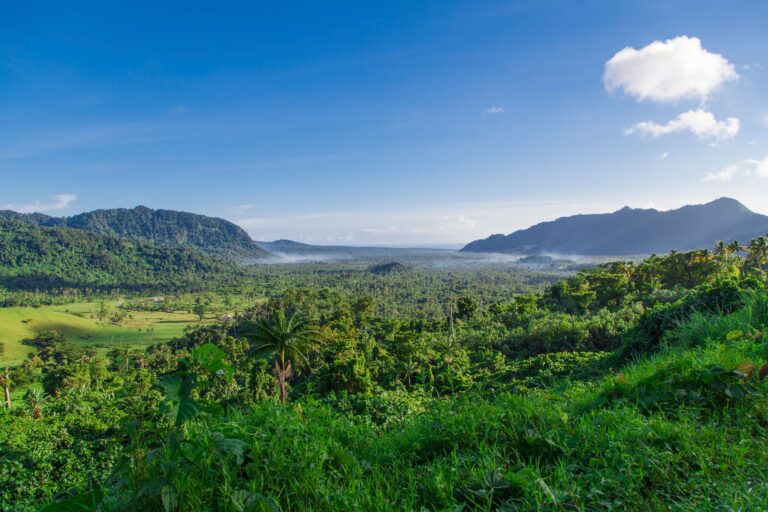
Mount Alava, the highest peak in American Samoa, rises majestically above the lush landscapes of the island. This volcanic mountain is not only a natural wonder but also a significant part of the local culture and history. Visitors to Mount Alava can expect a rewarding hike that leads them through dense rainforest, where they may encounter diverse flora and fauna unique to the region. The trail offers panoramic views of the surrounding islands and the Pacific Ocean, making it a popular spot for both hikers and photographers.
The atmosphere at Mount Alava is serene, with the sounds of nature providing a peaceful backdrop to your journey. The hike is moderately challenging, making it suitable for those with a reasonable level of fitness. As you ascend, the cool mountain air and the vibrant greenery create a refreshing escape from the tropical heat below. It’s advisable to wear sturdy hiking shoes and bring plenty of water to stay hydrated during your trek.
Continue reading the travel guide
Travel Guide to Mount Alava
Mount Alava is also closely linked to the history of American Samoa, as it has been a site of cultural significance for the local communities. Exploring this mountain not only offers a physical challenge but also a chance to connect with the rich heritage of the islands.
Why Visit?
Visiting Mount Alava is a must for nature lovers and adventure seekers. The breathtaking views from the summit, combined with the opportunity to explore unique ecosystems, make it an unforgettable experience. Additionally, the mountain's cultural significance adds depth to your visit, allowing you to appreciate the local heritage while enjoying the natural beauty.
Best Time to Visit
The best time to visit Mount Alava is during the dry season, which typically runs from May to October. During this period, the weather is more stable, making for a more enjoyable hiking experience. Early morning or late afternoon hikes are recommended to avoid the midday heat and to catch stunning sunrise or sunset views from the summit.
Ready to go? Plan your Mount Alava trip → Good to know →
Plan your trip to Mount Alava
Flights, accommodation and ways to get around — plan the details that matter to you.
Find flights to Mount Alava
Nearest recommended airport search point: PPG.
See recent flight offersTo Pago Pago €1 480
Recent flight offers
Compare available fares and routes for Mount Alava.
Flights to Pago Pago Arrivals · PPG
Cheap Flights to Pago Pago for Mount Alava (PPG)
Compare recent fares to Pago Pago, the suggested airport search point for visiting Mount Alava. Choose a listed deal or use the search box above to check prices from your airport.
Stay & getting around
Choose a neighbourhood, then decide how you will get from the airport and around the city.
Where to stay Neighbourhoods and accommodation
Where to Stay in Mount Alava
While there are no accommodations directly on Mount Alava, the nearby capital, Pago Pago, offers various lodging options. Staying in Pago Pago provides easy access to the mountain and other attractions in American Samoa.
Getting around Airport transfers and local transport

Getting Around Mount Alava
To reach Mount Alava, travelers can fly into Pago Pago International Airport (PPG), the nearest airport. From there, it is advisable to rent a car or use local transportation to access the trailhead. Once at the mountain, the hiking trail is well-marked, allowing visitors to navigate easily.
Travel essentials
 Stay connected
 Flight delayed or cancelled?
Popular Activities in Mount Alava
Good to know about Mount Alava
Country factsCapital, language and useful details
Quick Facts
Country
Location
Practical Information
Climate
American Samoa enjoys a tropical climate, characterized by warm temperatures and high humidity year-round. The dry season from May to October is ideal for travel, while the wet season from November to March can bring heavy rainfall and storms.
Money
The local currency is the US Dollar (USD). Credit cards are widely accepted in urban areas, but it's advisable to carry some cash for small purchases, local transport, and rural areas.
Internet & SIM
Mobile coverage is generally good in urban areas, and visitors can purchase SIM cards or eSIMs for local data. Wi-Fi is available in many hotels and cafes, but connectivity may be limited in remote areas.
Electricity
Voltage: 120 V
Frequency: 60 Hz
Safety
Emergency
911
Explore more in American Samoa
Places to Visit in American Samoa
Cities in American Samoa
About NomadRoute
NomadRoute helps travelers discover destinations, compare flight options, and find competitive fares from trusted airlines and travel providers worldwide. We do not sell airline tickets directly. Instead, we connect travelers with leading booking partners.
Discover More Destinations
Find low fares from trusted travel providers.
Compare options and book directly with partners.
Explore destinations and routes worldwide.