
Travel Guide to Bamiyan Buddhas
The Bamiyan Buddhas, once towering at 55 and 37 meters, were carved into the sandstone cliffs of the Bamiyan Valley in Afghanistan during the 6th century. These colossal statues, representing the Maitreya Buddha and other figures, were significant not only for their size but also for their artistic detail, showcasing the influence of both Indian and Greco-Buddhist art. The site is a UNESCO World Heritage Site, reflecting its cultural and historical importance. Visitors can explore the surrounding valley, which offers breathtaking views and a glimpse into the rich history of Buddhism in the region. Although the statues were destroyed in 2001, the remains and the surrounding area still attract travelers interested in history, archaeology, and the resilience of cultural heritage. The site also provides insights into the ancient Silk Road, which once passed through Bamiyan, making it a vital point of trade and cultural exchange.
Visitors to the Bamiyan Buddhas can expect a profound experience, walking through the remnants of a once-great civilization. The atmosphere is serene, with the majestic cliffs providing a stunning backdrop to the historical site. The local community is welcoming, and travelers can engage with the culture and traditions of the region, enhancing their visit with authentic experiences.
Continue reading the travel guide
Travel Guide to Bamiyan Buddhas
Why Visit?
Visiting the Bamiyan Buddhas offers a unique opportunity to connect with Afghanistan's rich cultural heritage and witness the remnants of an ancient civilization. The breathtaking landscapes of the Bamiyan Valley, combined with the historical significance of the site, make it a must-see for travelers interested in history and archaeology. Additionally, the site serves as a poignant reminder of resilience in the face of adversity, making it a meaningful destination for reflection.
Best Time to Visit
The best time to visit the Bamiyan Buddhas is during the spring (March to May) and autumn (September to November) when the weather is mild and the landscapes are particularly beautiful. Summer can be hot, while winter may bring snow and cold temperatures, making travel more challenging.
Ready to go? Plan your Bamiyan Buddhas trip → Good to know →
Plan your trip to Bamiyan Buddhas
Flights, accommodation and ways to get around — plan the details that matter to you.
Find flights to Bamiyan Buddhas
Nearest recommended airport search point: KBL.
See recent flight offersTo Kabul €351From Kabul €203
Recent flight offers
Compare available fares and routes for Bamiyan Buddhas.
Flights to Kabul Arrivals · KBL
Cheap Flights to Kabul for Bamiyan Buddhas (KBL)
Compare recent fares to Kabul, the suggested airport search point for visiting Bamiyan Buddhas. Choose a listed deal or use the search box above to check prices from your airport.
Flights from Bamiyan Buddhas Departures · KBL
Cheap Flights from Kabul (KBL)
Compare the latest low fares from Kabul to popular destinations. Prices are updated regularly and may change based on travel dates and availability.
Stay & getting around
Choose a neighbourhood, then decide how you will get from the airport and around the city.
Where to stay Neighbourhoods and accommodation
Where to Stay in Bamiyan Buddhas
The town of Bamiyan offers several guesthouses and hotels catering to travelers. Staying in Bamiyan provides easy access to the Buddhas and other nearby attractions, making it a practical base for exploration. Options range from budget accommodations to more comfortable lodgings, ensuring that visitors can find a suitable place to rest after a day of sightseeing.
Getting around Airport transfers and local transport

Getting Around Bamiyan Buddhas
Travelers can reach Bamiyan by road from Kabul, which is approximately a 5-6 hour drive. Local taxis and shared vans are available for transportation within Bamiyan, making it easy to visit the Buddhas and surrounding sites. Walking is also a pleasant way to explore the immediate area, allowing visitors to take in the stunning scenery at a leisurely pace.
Travel essentials
 Stay connected
 Flight delayed or cancelled?
Popular Activities in Bamiyan Buddhas
Good to know about Bamiyan Buddhas
Map & DirectionsChoose a map
Open Bamiyan Buddhas in your preferred map app.




Country factsCapital, language and useful details
Quick Facts
Country
Location
Practical Information
Climate
Afghanistan has a varied climate, with hot summers and cold winters. The northern regions experience heavy snowfall, while the southern areas can be quite hot. Travelers should check regional conditions before planning their visit.
Money
The local currency is the Afghani (AFN). Cards are accepted in many urban areas, but carrying cash is advisable for small purchases and in rural regions.
Internet & SIM
Mobile coverage is available in major cities, and SIM cards can be purchased easily. Wi-Fi access is limited, so having a local SIM is recommended for internet connectivity.
Electricity
Voltage: 220 V
Frequency: 50 Hz
Safety
Emergency
119 / 102
Explore more in Afghanistan
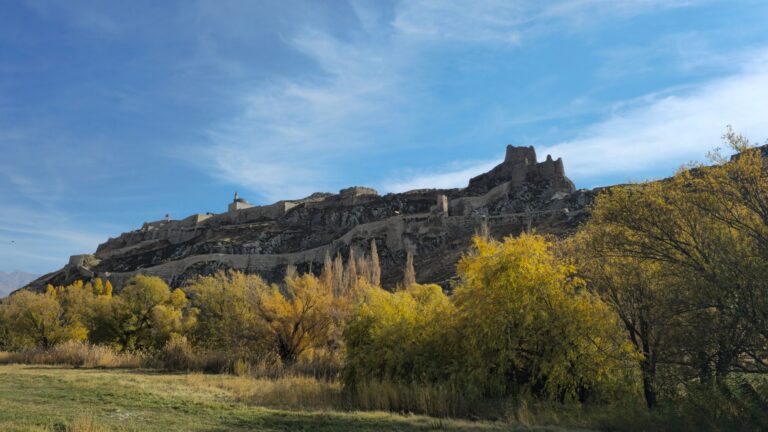
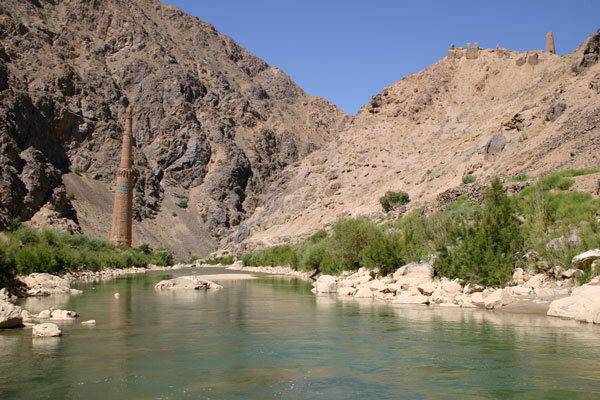
Places to Visit in Afghanistan

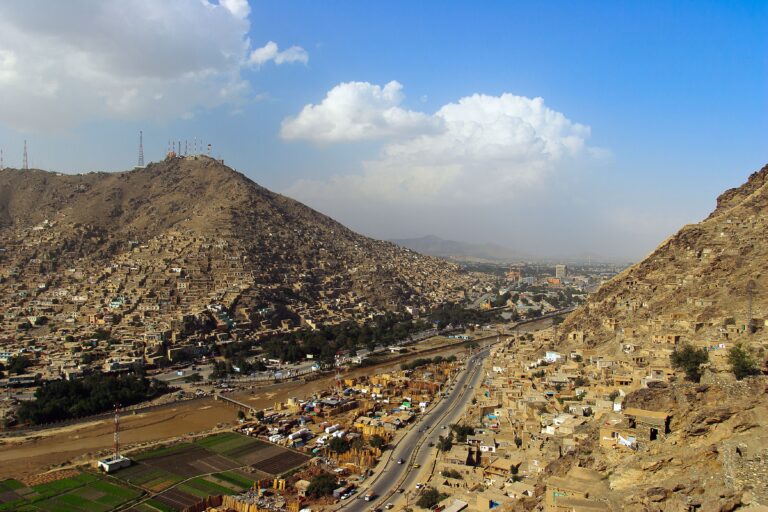
Cities in Afghanistan
About NomadRoute
NomadRoute helps travelers discover destinations, compare flight options, and find competitive fares from trusted airlines and travel providers worldwide. We do not sell airline tickets directly. Instead, we connect travelers with leading booking partners.
Discover More Destinations
Find low fares from trusted travel providers.
Compare options and book directly with partners.
Explore destinations and routes worldwide.
Photo · Keystone View Company · Wikimedia Commons · Public domain