
Travel Guide to Kabul Museum
Located in the heart of Kabul, the Kabul Museum serves as a vital repository of Afghanistan's artistic and historical treasures. Established in the mid-20th century, the museum houses a diverse collection that includes ancient sculptures, coins, and pottery, many of which date back to the time of the Silk Road. The exhibits highlight the rich tapestry of Afghanistan's past, from the pre-Islamic era through to the Islamic period, offering visitors a glimpse into the country's cultural evolution.
Despite facing challenges over the years, including periods of conflict, the Kabul Museum remains a beacon of hope and resilience. Visitors can expect to see notable pieces such as the Bactrian gold artifacts, which are among the most significant finds in the region. The museum not only serves as a place for education and reflection but also as a platform for promoting peace and understanding through the appreciation of shared history.
Continue reading the travel guide
Travel Guide to Kabul Museum
When planning a visit, it's important to check local conditions and accessibility, as the museum's operations may vary. The atmosphere around the museum is vibrant, with local markets and cafes nearby, making it a great stop for those exploring Kabul's cultural landscape.
Why Visit?
Visiting the Kabul Museum offers a unique opportunity to connect with Afghanistan's rich history and cultural heritage. The museum's collection provides insights into the country's past, making it a must-see for history enthusiasts and travelers interested in understanding the region's complexities.
Best Time to Visit
The best time to visit the Kabul Museum is during the spring (March to May) and autumn (September to November) when the weather is mild and pleasant. These seasons provide a comfortable climate for exploring the museum and the surrounding areas.
Ready to go? Plan your Kabul Museum trip → Good to know →
Plan your trip to Kabul Museum
Flights, accommodation and ways to get around — plan the details that matter to you.
Find flights to Kabul Museum
Nearest recommended airport search point: KBL.
See recent flight offersTo Kabul €346From Kabul €199
Recent flight offers
Compare available fares and routes for Kabul Museum.
Flights to Kabul Arrivals · KBL
Cheap Flights to Kabul for Kabul Museum (KBL)
Compare recent fares to Kabul, the suggested airport search point for visiting Kabul Museum. Choose a listed deal or use the search box above to check prices from your airport.
Flights from Kabul Museum Departures · KBL
Cheap Flights from Kabul (KBL)
Compare the latest low fares from Kabul to popular destinations. Prices are updated regularly and may change based on travel dates and availability.
Stay & getting around
Choose a neighbourhood, then decide how you will get from the airport and around the city.
Where to stay Neighbourhoods and accommodation
Where to Stay in Kabul Museum
For a convenient stay, consider accommodations in central Kabul, where you can find a range of hotels and guesthouses. Staying in this area allows easy access to the Kabul Museum and other nearby attractions.
Getting around Airport transfers and local transport

Getting Around Kabul Museum
Travelers can reach the Kabul Museum by taxi or private vehicle, with the nearest airport being Hamid Karzai International Airport (KBL). Once in Kabul, taxis and ride-sharing services are commonly used for getting around the city. It's advisable to arrange transportation through trusted services for safety and convenience.
Travel essentials
 Stay connected
 Flight delayed or cancelled?
Popular Activities in Kabul Museum
Good to know about Kabul Museum
Map & DirectionsChoose a map
Open Kabul Museum in your preferred map app.




Country factsCapital, language and useful details
Quick Facts
Country
Location
Practical Information
Climate
Afghanistan has a varied climate, with hot summers and cold winters. The northern regions experience heavy snowfall, while the southern areas can be quite hot. Travelers should check regional conditions before planning their visit.
Money
The local currency is the Afghani (AFN). Cards are accepted in many urban areas, but carrying cash is advisable for small purchases and in rural regions.
Internet & SIM
Mobile coverage is available in major cities, and SIM cards can be purchased easily. Wi-Fi access is limited, so having a local SIM is recommended for internet connectivity.
Electricity
Voltage: 220 V
Frequency: 50 Hz
Safety
Emergency
119 / 102
Explore more in Afghanistan
Places to Visit in Afghanistan
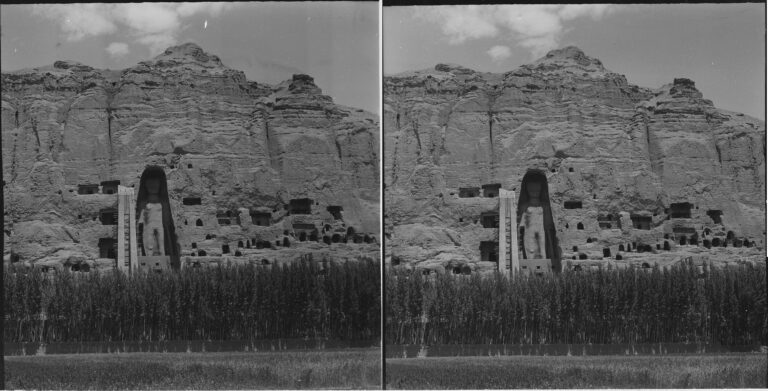
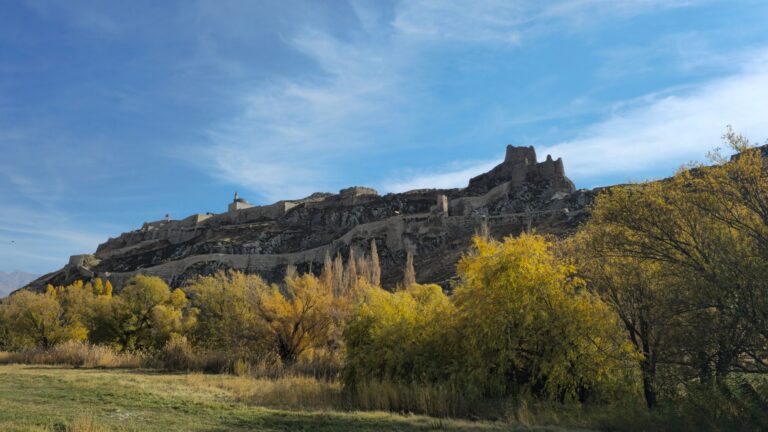
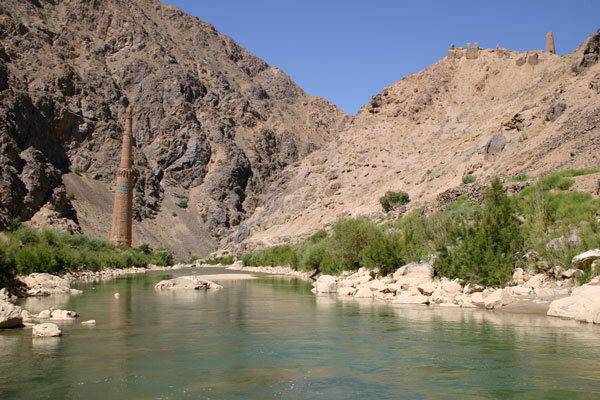
Cities in Afghanistan
About NomadRoute
NomadRoute helps travelers discover destinations, compare flight options, and find competitive fares from trusted airlines and travel providers worldwide. We do not sell airline tickets directly. Instead, we connect travelers with leading booking partners.
Discover More Destinations
Find low fares from trusted travel providers.
Compare options and book directly with partners.
Explore destinations and routes worldwide.