
Travel Guide to Mount Olympus
Mount Olympus, towering at 2,918 meters, is not only Greece's highest mountain but also a site steeped in ancient mythology and natural splendor. Nestled in the Olympus Range, it is famously regarded as the dwelling place of the ancient Greek gods, making it a culturally significant landmark. The mountain boasts diverse ecosystems, ranging from lush forests to rugged peaks, creating a unique habitat for various flora and fauna, which makes it a paradise for nature enthusiasts and hikers.
Visitors to Mount Olympus can enjoy a variety of experiences, from challenging hikes along well-marked trails to tranquil moments in its scenic valleys. The E4 European long-distance path is the most popular route, guiding adventurers through stunning landscapes and offering panoramic views that are particularly breathtaking at sunrise and sunset. The surrounding national park is also home to numerous waterfalls, caves, and ancient ruins, enhancing the allure of this remarkable destination.
Continue reading the travel guide
Travel Guide to Mount Olympus
When planning a visit, it's essential to check weather conditions, as they can change rapidly in the mountainous terrain. The ideal times to visit are during the spring and early autumn months when the weather is mild, and the trails are less crowded. Whether you are an avid hiker or simply wish to immerse yourself in nature's beauty, Mount Olympus promises an unforgettable experience.
Why Visit?
Mount Olympus is a must-visit for its stunning landscapes, rich mythology, and diverse hiking opportunities. Whether you're drawn by the challenge of its trails or the beauty of its natural surroundings, this iconic mountain offers something for everyone.
Best Time to Visit
The best time to visit Mount Olympus is during spring (April to June) and early autumn (September to October) when the weather is mild and the trails are less crowded. Summer can be hot, while winter brings snow, making hiking more challenging.
Ready to go? Plan your Mount Olympus trip → Good to know →
Plan your trip to Mount Olympus
Flights, accommodation and ways to get around — plan the details that matter to you.
Find flights to Mount Olympus
Nearest recommended airport search point: SKG.
See recent flight offersTo Thessaloniki €47From Thessaloniki €51
Recent flight offers
Compare available fares and routes for Mount Olympus.
Flights to Thessaloniki Arrivals · SKG
Cheap Flights to Thessaloniki for Mount Olympus (SKG)
Compare recent fares to Thessaloniki, the suggested airport search point for visiting Mount Olympus. Choose a listed deal or use the search box above to check prices from your airport.
Flights from Mount Olympus Departures · SKG
Cheap Flights from Thessaloniki (SKG)
Compare the latest low fares from Thessaloniki to popular destinations. Prices are updated regularly and may change based on travel dates and availability.
Stay & getting around
Choose a neighbourhood, then decide how you will get from the airport and around the city.
Where to stay Neighbourhoods and accommodation
Where to Stay in Mount Olympus
The nearby city of Litochoro serves as an excellent base for exploring Mount Olympus, offering various accommodation options, restaurants, and easy access to the mountain trails.
Getting around Airport transfers and local transport

Getting Around Mount Olympus
Most visitors reach Mount Olympus via Thessaloniki, which is about an hour's drive away. From there, local buses or rental cars can take you to Litochoro and the various trailheads. Once in the area, hiking is the best way to explore the mountain and its surroundings.
Travel essentials
 Stay connected
 Flight delayed or cancelled?
Popular Activities in Mount Olympus
Good to know about Mount Olympus
Map & DirectionsChoose a map
Open Mount Olympus in your preferred map app.




Country factsCapital, language and useful details
Quick Facts
Country
Location
Practical Information
Climate
Greece has a Mediterranean climate characterized by hot, dry summers and mild, wet winters. Coastal areas enjoy warm temperatures, while mountainous regions can be cooler, especially in winter.
Money
The local currency is EUR - Euro (€). Cards are accepted in many places, but carrying some cash can be useful for small purchases, local transport, and rural areas.
Internet & SIM
Mobile coverage is generally good throughout Greece, with various options for purchasing SIM cards or eSIMs available at airports and shops. Wi-Fi is commonly found in hotels, cafes, and public areas.
Electricity
Voltage: 230 V
Frequency: 50 Hz
Safety
Emergency
112
Explore more in Greece
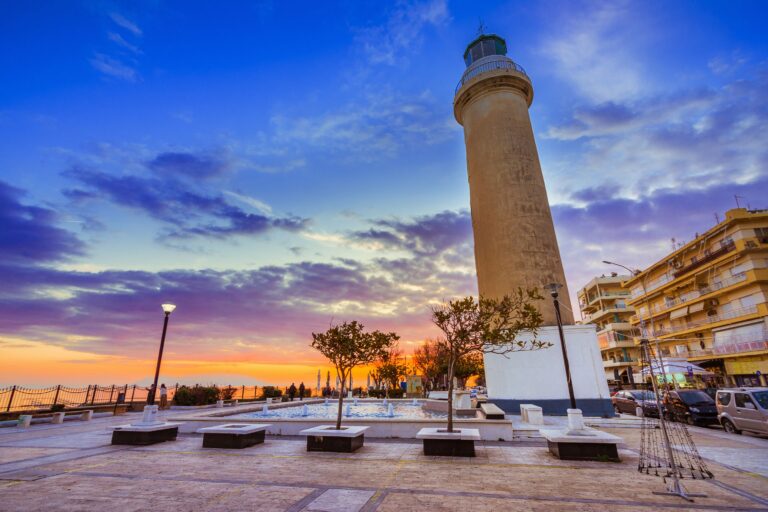
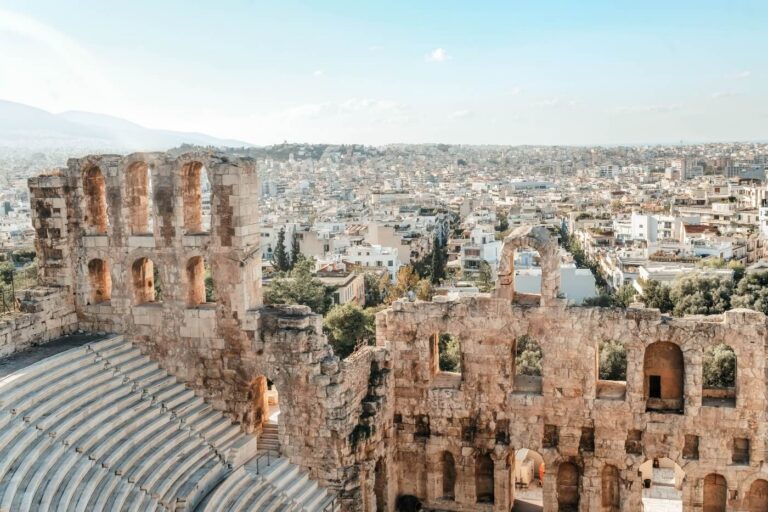
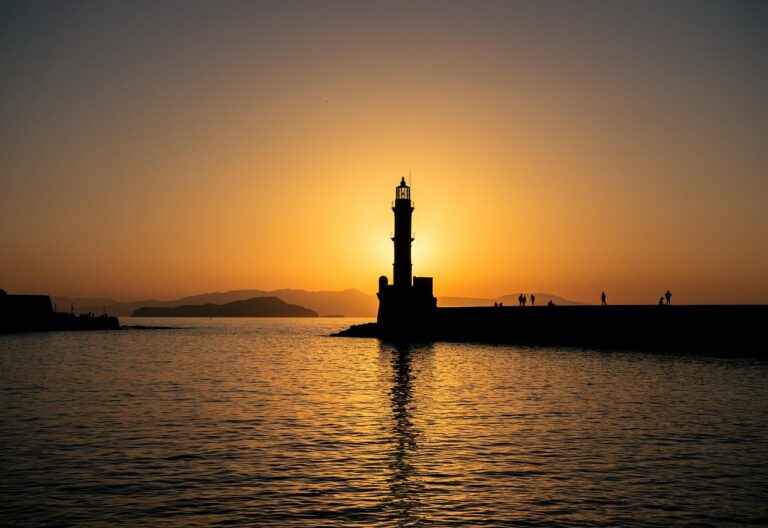
Places to Visit in Greece

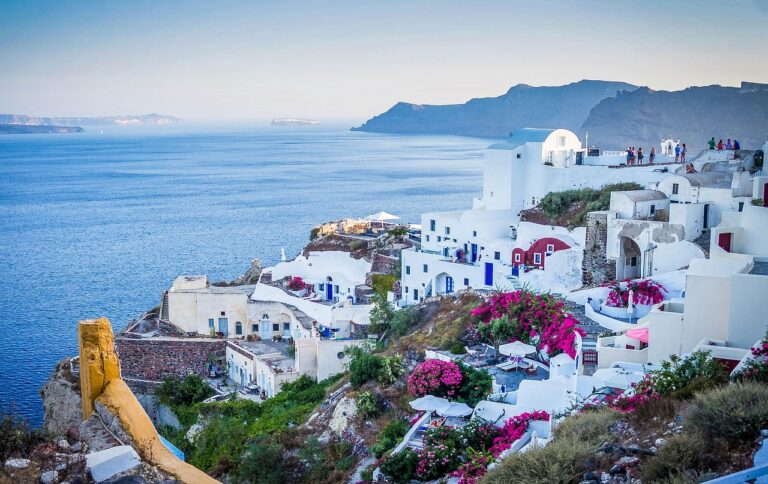
Cities in Greece

About NomadRoute
NomadRoute helps travelers discover destinations, compare flight options, and find competitive fares from trusted airlines and travel providers worldwide. We do not sell airline tickets directly. Instead, we connect travelers with leading booking partners.
Discover More Destinations
Find low fares from trusted travel providers.
Compare options and book directly with partners.
Explore destinations and routes worldwide.
Photo · E.asphyx · Wikimedia Commons · CC BY 3.0