
Travel Guide to Hydra
Hydra is one of Greece's most enchanting islands, celebrated for its timeless charm, elegant stone mansions, and peaceful atmosphere. Located in the Saronic Gulf between the Saronic and Argolic Gulfs, just off the northeastern coast of the Peloponnese, the island covers only 52 square kilometres yet offers an experience unlike anywhere else in Greece. Recognised by National Geographic Traveler as one of Greece's most valuable islands, Hydra has earned an international reputation as a destination where history, culture, and natural beauty exist in perfect harmony.
One of Hydra's most distinctive characteristics is its complete absence of private motor vehicles. Cars and motorcycles have been prohibited on the island for decades, preserving its authentic atmosphere and making every stroll through the narrow stone streets a peaceful experience. The only motor vehicles permitted are emergency and municipal service vehicles, while everyday transport relies on walking, donkeys, mules, and water taxis. This unique way of life has become one of Hydra's greatest attractions, allowing visitors to enjoy the island at a slower pace.
Continue reading the travel guide
Travel Guide to Hydra
The heart of the island is Hydra Town, the island's only significant settlement and home to almost the entire local population of around 2,000 residents. Built around a picturesque horseshoe-shaped harbour, the town welcomes visitors with elegant neoclassical mansions climbing the surrounding hillsides, colourful fishing boats, luxury yachts, charming cafés, boutique shops, art galleries, and waterfront restaurants. The harbour itself is often considered one of the most beautiful in Greece, offering spectacular scenery from sunrise until long after sunset.
Hydra's history has always been closely connected to the sea. During the eighteenth and nineteenth centuries, the island became one of Greece's most important maritime centres, with wealthy shipowners building magnificent mansions that still dominate the town today. The island played a significant role during the Greek War of Independence, and many of its historic buildings now serve as museums preserving this fascinating heritage. Visitors can explore maritime history, local traditions, and Byzantine religious art while wandering through streets that have changed remarkably little over the centuries.
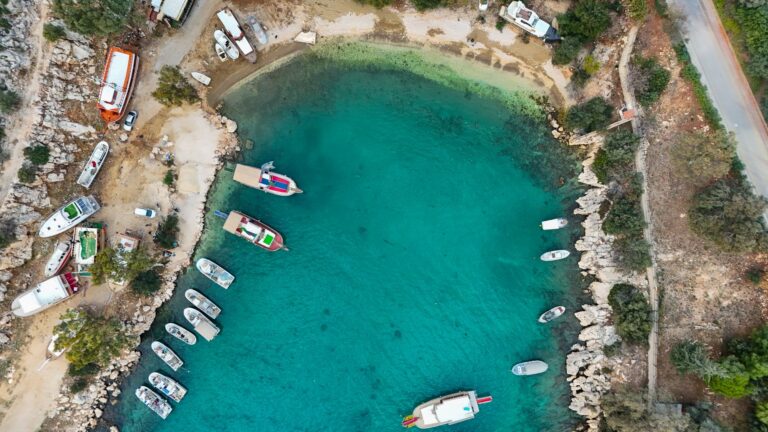
Although the island appears rocky and relatively dry, its dramatic coastline is filled with secluded coves, crystal-clear waters, and scenic swimming spots. Hydra's rugged hills are dotted with pine trees, olive groves, cypress trees, and colourful wildflowers that bloom during spring, creating a beautiful contrast against the island's grey stone landscape. Nature lovers may also encounter rabbits, wild goats, numerous bird species, and the island's famous working donkeys that continue to play an essential role in everyday life.
Hydra has long attracted artists, writers, musicians, and photographers seeking inspiration. Its peaceful atmosphere, preserved architecture, and absence of traffic have created a creative community that continues to thrive today. Numerous galleries, cultural events, and exhibitions contribute to the island's artistic identity, while traditional tavernas and waterfront cafés invite visitors to relax and enjoy authentic Greek hospitality.
Despite its tranquil character, Hydra offers plenty of opportunities for outdoor activities. Walking trails connect the harbour with quiet monasteries, hidden beaches, and panoramic viewpoints overlooking the Aegean Sea. Water taxis provide convenient access to beaches along the coastline, while sailing and yachting remain among the island's most popular activities thanks to Hydra's long maritime tradition. The island also hosts an internationally recognised yacht club and maritime academy, reflecting its enduring connection to the sea.
Among Hydra's most important landmarks are its historic monasteries and churches. The Monastery of Prophet Elijah, founded during the tenth century, sits high above the town and rewards visitors with breathtaking panoramic views after a rewarding hike. The harbour itself is protected by historic bastions, while the Monastery of the Dormition of the Virgin Mary houses an impressive Byzantine Museum showcasing centuries of religious art and history. Additional museums preserve the island's naval heritage and cultural traditions, offering fascinating insights into Hydra's remarkable past.
Getting to Hydra is both simple and scenic. Most visitors travel from Athens to the Port of Piraeus before boarding a high-speed ferry that reaches the island in approximately two hours. Regular ferry connections also link Hydra with nearby islands such as Poros and Aegina, as well as Nafplio, Monemvasia, and destinations along the Peloponnese coast. Since there is no airport on Hydra, travelling via Athens remains the most convenient option for international visitors.
Hydra offers an entirely different experience from many of Greece's larger and busier islands. Rather than nightlife and large beach resorts, visitors come here to enjoy peaceful harbour evenings, beautiful coastal walks, traditional architecture, rich maritime history, and an authentic Greek island lifestyle that has remained largely unchanged for generations. Whether you're planning a relaxing weekend escape from Athens, exploring the Saronic Islands, or searching for one of Greece's most charming destinations, Hydra delivers an unforgettable blend of history, culture, and natural beauty that continues to captivate travellers from around the world.
Why Visit?
Hydra is one of Greece's most unique island destinations, offering a peaceful escape where cars and motorcycles are replaced by walking paths, donkeys, and water taxis. Its beautifully preserved harbour, elegant stone mansions, rich maritime heritage, and relaxed atmosphere create an authentic Greek island experience just a short ferry ride from Athens. Whether you're looking for history, scenic coastal walks, sailing adventures, or simply a slower pace of life, Hydra combines timeless charm with breathtaking Aegean scenery.
Best Time to Visit
Hydra enjoys a typical Mediterranean climate with warm summers and mild winters. The most popular months to visit are May through October, when temperatures are ideal for sightseeing, swimming, and outdoor dining. July and August offer lively harbour life and warm sea temperatures, while May, June, September, and early October provide pleasant weather with fewer crowds. Spring is particularly beautiful as wildflowers bloom across the island's rocky landscape.
Ready to go? Plan your Hydra trip → Good to know →
Plan your trip to Hydra
Flights, accommodation and ways to get around — plan the details that matter to you.
Find flights to Hydra
Nearest recommended airport search point: ATH.
See recent flight offersTo Athens €32From Athens €34
Recent flight offers
Compare available fares and routes for Hydra.
Flights to Athens Arrivals · ATH
Cheap Flights to Athens for Hydra (ATH)
Compare recent fares to Athens, the suggested airport search point for visiting Hydra. Choose a listed deal or use the search box above to check prices from your airport.
Flights from Hydra Departures · ATH
Cheap Flights from Athens (ATH)
Compare the latest low fares from Athens to popular destinations. Prices are updated regularly and may change based on travel dates and availability.
Stay & getting around
Choose a neighbourhood, then decide how you will get from the airport and around the city.
Where to stay Neighbourhoods and accommodation
Where to Stay in Hydra
Most visitors choose accommodation in Hydra Town, where charming boutique hotels, traditional guesthouses, and waterfront apartments place you within walking distance of restaurants, museums, shops, and the ferry port. Travellers seeking greater privacy can stay in villas or guesthouses on the quieter outskirts of town, offering peaceful surroundings while remaining easily accessible on foot. Since the island has no cars, choosing accommodation close to the harbour is especially convenient for first-time visitors.
Getting around Airport transfers and local transport

Getting Around Hydra
Getting around Hydra is refreshingly simple. The island is completely car-free, making walking the primary way to explore its narrow cobblestone streets and scenic coastal paths. For longer distances or access to secluded beaches, visitors can use water taxis operating from the harbour. Donkeys and mules are still used for transporting goods and luggage, preserving one of Hydra's most distinctive traditions. Most attractions are easily reached on foot, allowing visitors to fully appreciate the island's relaxed atmosphere.
Travel essentials
 Stay connected
 Flight delayed or cancelled?
Popular Activities in Hydra
Good to know about Hydra
Map & DirectionsChoose a map
Open Hydra in your preferred map app.




Country factsCapital, language and useful details
Quick Facts
Country
Location
Practical Information
Climate
Greece has a Mediterranean climate characterized by hot, dry summers and mild, wet winters. Coastal areas enjoy warm temperatures, while mountainous regions can be cooler, especially in winter.
Money
The local currency is EUR - Euro (€). Cards are accepted in many places, but carrying some cash can be useful for small purchases, local transport, and rural areas.
Internet & SIM
Mobile coverage is generally good throughout Greece, with various options for purchasing SIM cards or eSIMs available at airports and shops. Wi-Fi is commonly found in hotels, cafes, and public areas.
Electricity
Voltage: 230 V
Frequency: 50 Hz
Safety
Emergency
112
Explore more in Greece
Places to Visit in Greece
Cities in Greece
About NomadRoute
NomadRoute helps travelers discover destinations, compare flight options, and find competitive fares from trusted airlines and travel providers worldwide. We do not sell airline tickets directly. Instead, we connect travelers with leading booking partners.
Find low fares from trusted travel providers.
Compare options and book directly with partners.
Explore destinations and routes worldwide.