
Travel Guide to The Great Wall of China
The Great Wall of China, a UNESCO World Heritage site, stands as one of the most remarkable feats of engineering in history. Constructed over several dynasties, primarily during the Ming Dynasty, it served as a formidable defense against invasions and raids. Today, it symbolizes China's enduring strength and rich cultural heritage. Visitors can explore various sections, each offering unique views and experiences, from the well-preserved Badaling to the rugged and less crowded Jinshanling. The wall winds through stunning landscapes, including mountains, deserts, and lush valleys, making it an ideal destination for both history enthusiasts and nature lovers.
Walking along the ancient stones, one can imagine the soldiers who once patrolled these paths. The atmosphere is both awe-inspiring and reflective, as the wall tells stories of perseverance and ambition. Whether you choose to hike, take a cable car, or simply enjoy the panoramic views, the Great Wall promises unforgettable experiences. Practical considerations include wearing comfortable shoes and bringing water, as some sections can be steep and challenging. The nearest major airport is Beijing Capital International Airport (PEK), ensuring accessibility for international travelers.
Continue reading the travel guide
Travel Guide to The Great Wall of China
Why Visit?
Visiting the Great Wall of China is essential for anyone interested in history, architecture, or breathtaking landscapes. Its vastness and historical significance provide a unique glimpse into China's past, while the stunning views from the wall create lasting memories. Whether hiking along the wall or simply taking in the scenery, it’s an experience that embodies the spirit of adventure and exploration.
Best Time to Visit
The best time to visit the Great Wall of China is during the spring (April to June) and autumn (September to November). These seasons offer mild weather and beautiful landscapes, with blooming flowers in spring and vibrant foliage in autumn. Early morning or late afternoon visits are ideal to avoid crowds and enjoy soft lighting for photography.
Ready to go? Plan your The Great Wall of China trip → Good to know →
Plan your trip to The Great Wall of China
Flights, accommodation and ways to get around — plan the details that matter to you.
Find flights to The Great Wall of China
Nearest recommended airport search point: PEK.
See recent flight offersFrom PEK €105
Recent flight offers
Compare available fares and routes for The Great Wall of China.
Flights from The Great Wall of China Departures · PEK
Cheap Flights from PEK (PEK)
Compare the latest low fares from PEK to popular destinations. Prices are updated regularly and may change based on travel dates and availability.
Stay & getting around
Choose a neighbourhood, then decide how you will get from the airport and around the city.
Where to stay Neighbourhoods and accommodation
Where to Stay in The Great Wall of China
While there are some accommodations near the wall, the best option is to stay in Beijing, which offers a wide range of hotels and guesthouses. From Beijing, you can easily access various sections of the Great Wall through organized tours or public transportation.
Getting around Airport transfers and local transport

Getting Around The Great Wall of China
Travelers can reach the Great Wall from Beijing by car, bus, or organized tours. Public buses run to popular sections like Badaling and Mutianyu. Once at the wall, visitors can explore on foot, with some sections offering cable cars for easier access. It's advisable to plan your route in advance, especially if visiting multiple sections in one day.
Travel essentials
 Stay connected
 Flight delayed or cancelled?
Popular Activities in The Great Wall of China
Good to know about The Great Wall of China
Map & DirectionsChoose a map
Open The Great Wall of China in your preferred map app.




Country factsCapital, language and useful details
Quick Facts
Country
Location
Practical Information
Climate
China has a diverse climate that varies significantly by region. Generally, the north experiences cold winters and hot summers, while the south has a more temperate climate with mild winters and hot, humid summers. Rainfall is common in the summer months, particularly in the southern regions.
Money
The local currency is CNY - Yuan Renminbi (¥). Cards are widely accepted in urban areas, but it's advisable to carry cash for small purchases, local transport, and in rural areas where card facilities may be limited.
Internet & SIM
Mobile coverage is generally good in urban areas, with 4G available in most cities. SIM cards and eSIM options are easily obtainable, and Wi-Fi is commonly available in hotels and cafes, though access may be restricted for some international websites.
Electricity
Voltage: 220 V
Frequency: 50 Hz
Safety
Emergency
110 / 119 / 120
Explore more in China
Places to Visit in China






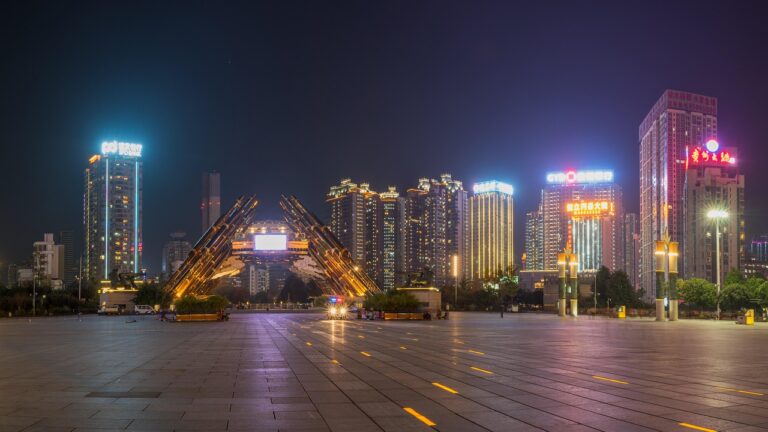

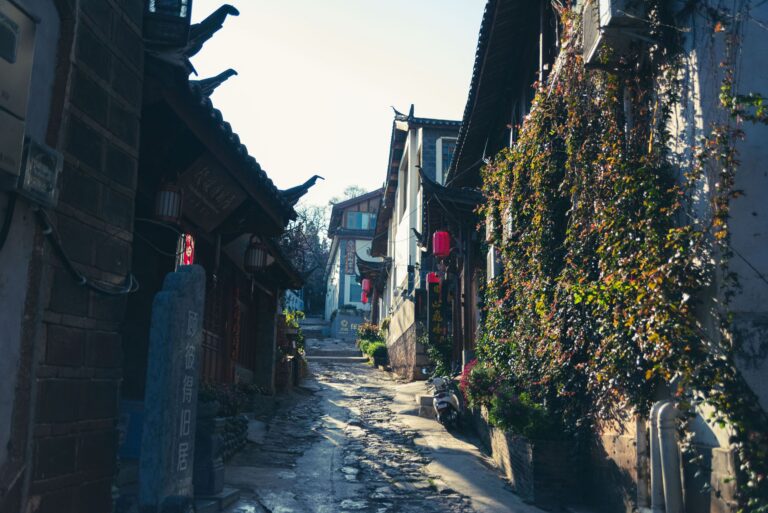


















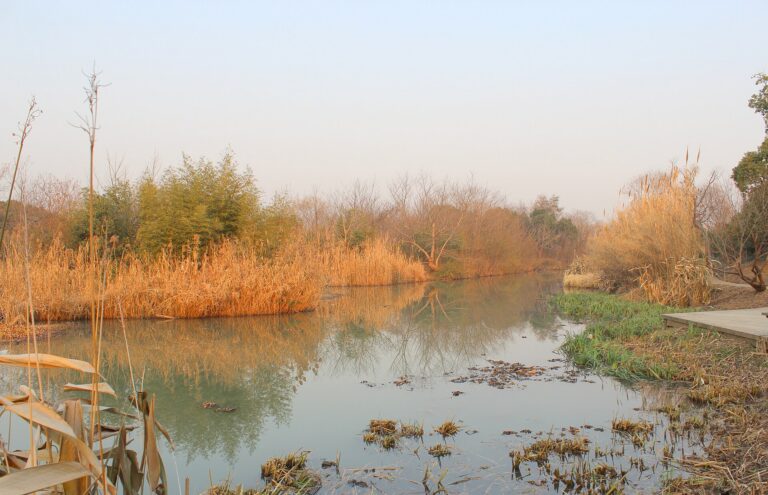


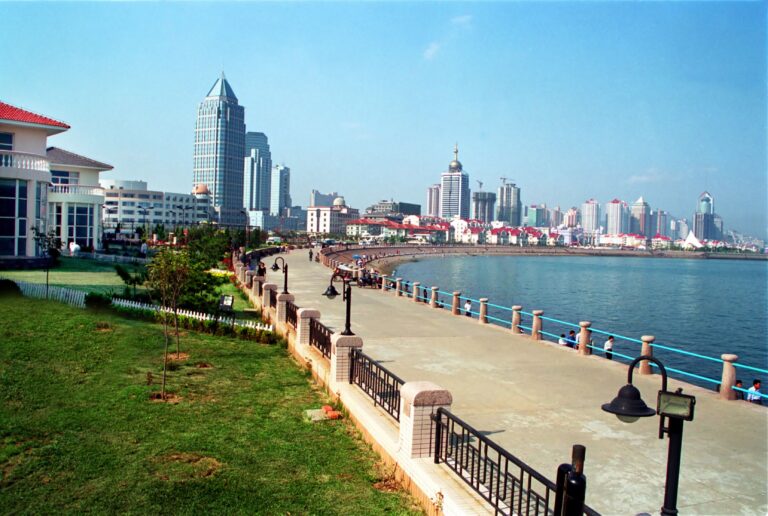
Cities in China





















About NomadRoute
NomadRoute helps travelers discover destinations, compare flight options, and find competitive fares from trusted airlines and travel providers worldwide. We do not sell airline tickets directly. Instead, we connect travelers with leading booking partners.
Discover More Destinations
Find low fares from trusted travel providers.
Compare options and book directly with partners.
Explore destinations and routes worldwide.