
Travel Guide to Mount Everest
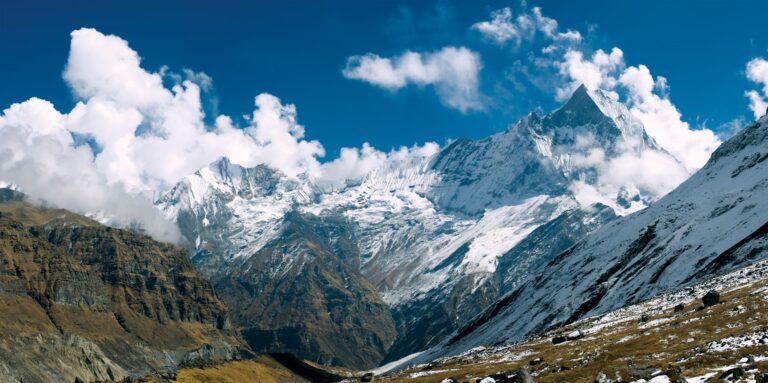
Mount Everest, known as Sagarmatha in Nepali and Chomolungma in Tibetan, stands majestically at 8,848 meters (29,029 feet), making it the tallest mountain on Earth. Nestled in the heart of the Himalayas, this iconic peak draws climbers and trekkers alike, offering breathtaking views and a challenging adventure. The surrounding region is rich in natural beauty, with stunning landscapes, diverse wildlife, and vibrant Sherpa culture.
Visitors to Mount Everest can embark on various trekking routes, with the Everest Base Camp trek being the most popular. This trek provides a unique opportunity to experience the local culture, visit ancient monasteries, and witness the breathtaking scenery of the Khumbu region. Along the way, trekkers can enjoy the hospitality of local lodges and taste traditional Nepali cuisine. The atmosphere is filled with excitement and camaraderie among fellow adventurers, making it a memorable experience.
Continue reading the travel guide
Travel Guide to Mount Everest
Planning a visit to Mount Everest requires careful consideration of the best time to go, typically from late April to early June or late September to early November, when the weather is most favorable. It's essential to prepare adequately for the altitude and varying weather conditions, ensuring a safe and enjoyable journey. The nearest airport is Lukla Airport (LUA), which serves as the gateway to the Everest region, and from there, trekkers can begin their adventure.
Whether you're an experienced climber or a casual trekker, Mount Everest offers an unparalleled experience that combines adventure, culture, and stunning natural beauty.
Why Visit?
Visiting Mount Everest is a once-in-a-lifetime experience that offers breathtaking views, a chance to challenge oneself physically, and an opportunity to immerse in the rich Sherpa culture of the Himalayas.
Best Time to Visit
The best time to visit Mount Everest is during the pre-monsoon season from late April to early June and the post-monsoon season from late September to early November, when the weather is generally clear and stable.
Ready to go? Plan your Mount Everest trip → Good to know →
Plan your trip to Mount Everest
Flights, accommodation and ways to get around — plan the details that matter to you.
Find flights to Mount Everest
Nearest recommended airport search point: LUA.
See recent flight offers
Recent flight offers
Compare available fares and routes for Mount Everest.
Stay & getting around
Choose a neighbourhood, then decide how you will get from the airport and around the city.
Where to stay Neighbourhoods and accommodation
Where to Stay in Mount Everest
The most practical base for exploring Mount Everest is Namche Bazaar, a bustling Sherpa town that offers various accommodation options, restaurants, and shops.
Getting around Airport transfers and local transport

Getting Around Mount Everest
To reach Mount Everest, travelers typically fly to Lukla Airport (LUA) and then trek to Everest Base Camp. Once in the region, trekking is the primary mode of transportation, with well-marked trails connecting various points of interest.
Travel essentials
 Stay connected
 Flight delayed or cancelled?
Popular Activities in Mount Everest
Good to know about Mount Everest
Map & DirectionsChoose a map
Open Mount Everest in your preferred map app.




Country factsCapital, language and useful details
Quick Facts
Country
Location
Practical Information
Climate
Nepal has a diverse climate that varies significantly by region and altitude. Generally, the country experiences four distinct seasons: a warm summer, a monsoon season, a cool autumn, and a cold winter. The best trekking conditions are typically found during the spring and autumn months.
Money
The local currency is NPR - Nepalese Rupee. Cards are accepted in many places, but carrying some cash can be useful for small purchases, local transport, and rural areas.
Internet & SIM
Mobile coverage is widely available in urban areas, and travelers can easily purchase local SIM cards or eSIMs upon arrival. Wi-Fi is also accessible in many hotels and cafes, though connectivity may be limited in remote regions.
Electricity
Voltage: 230 V
Frequency: 50 Hz
Safety
Emergency
100 / 102 / 101
Explore more in Nepal
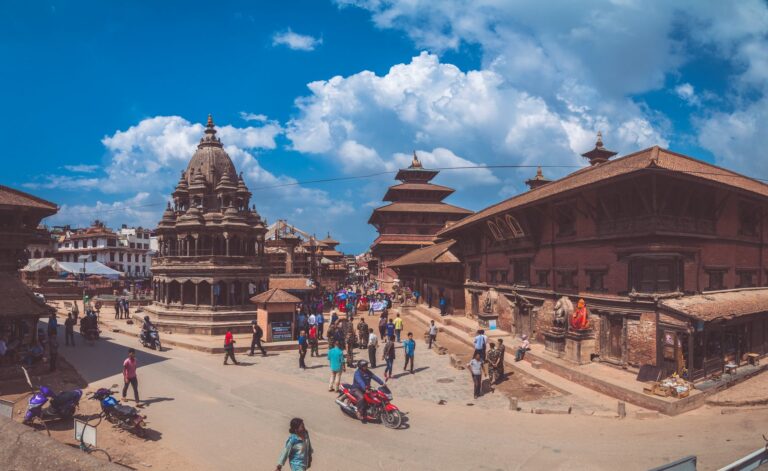
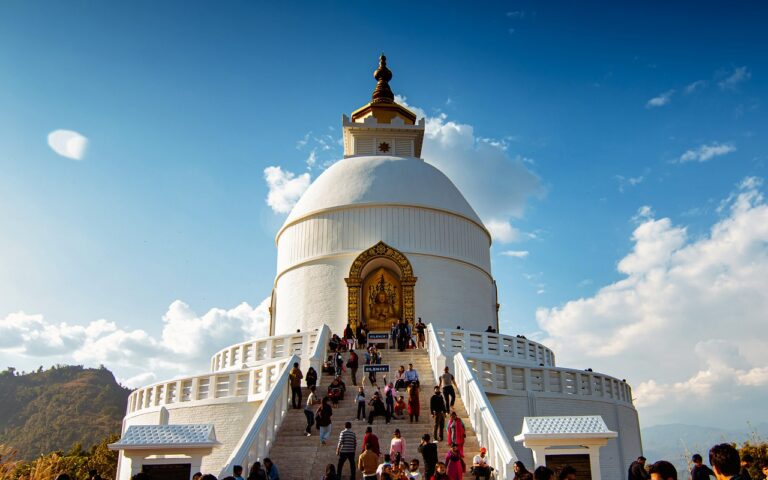
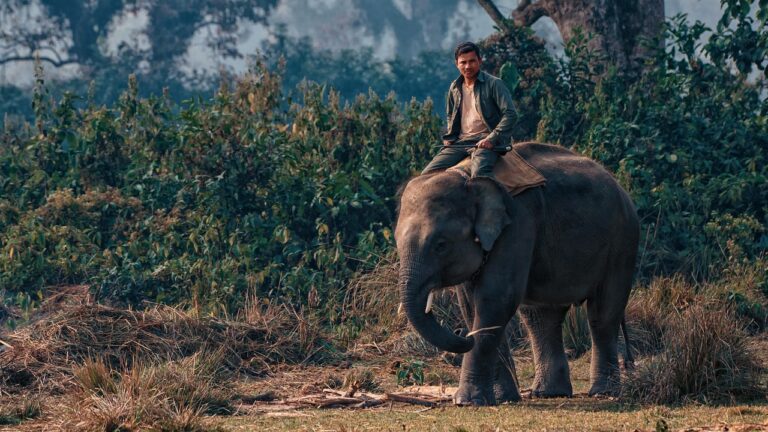
Places to Visit in Nepal
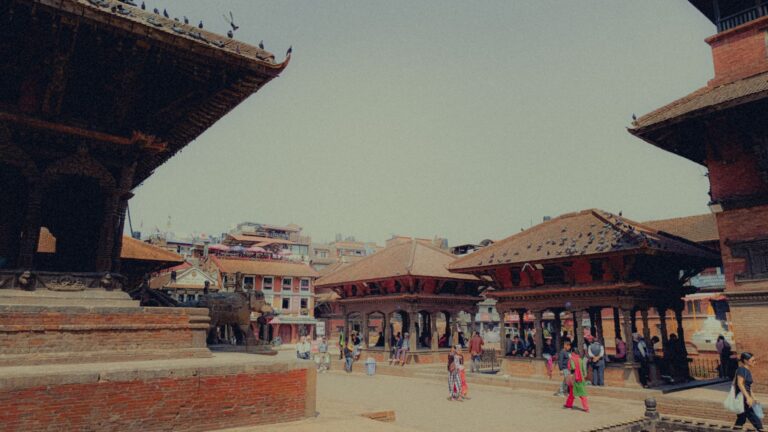
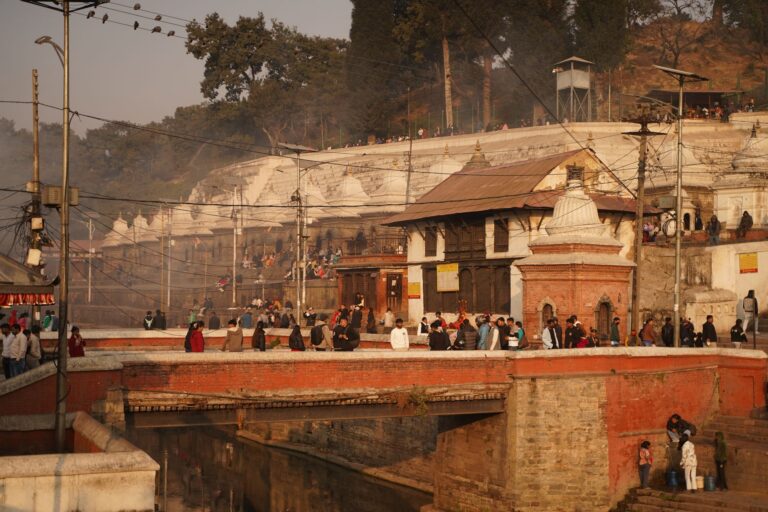
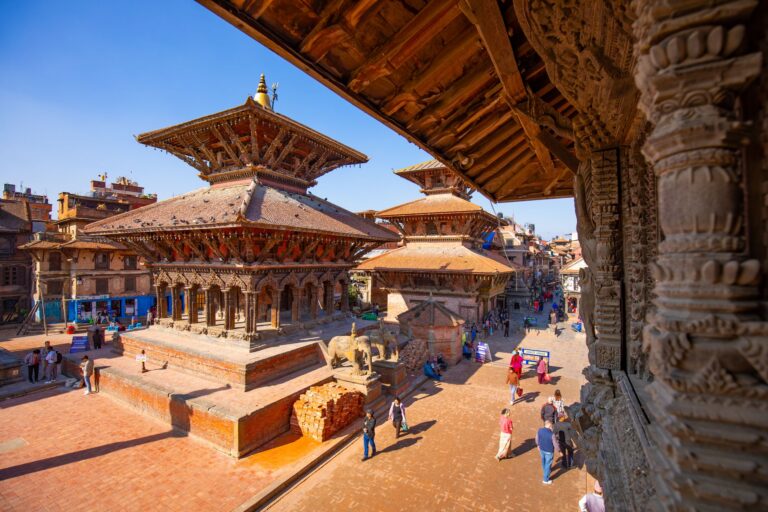
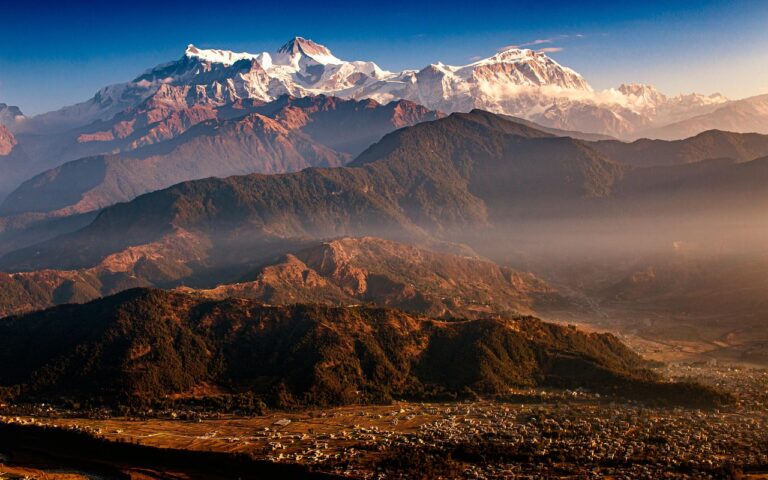
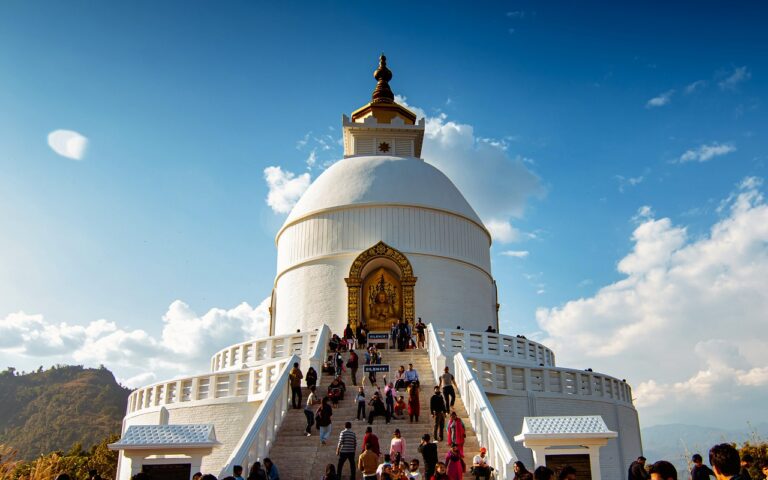
Cities in Nepal
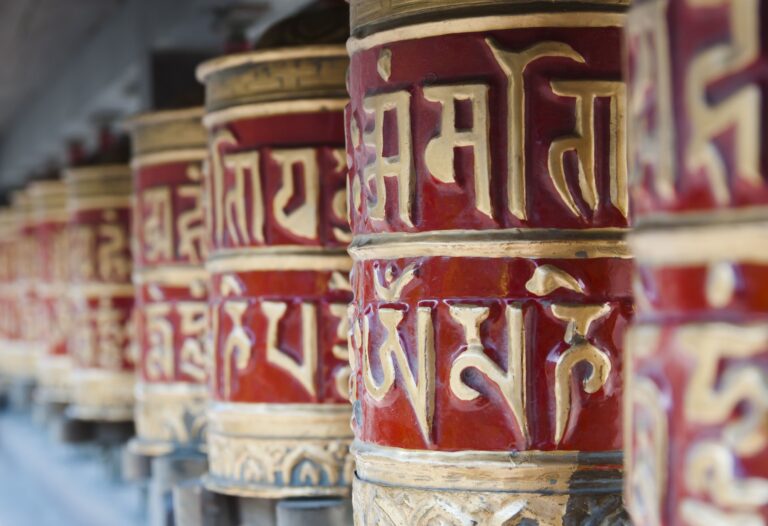
About NomadRoute
NomadRoute helps travelers discover destinations, compare flight options, and find competitive fares from trusted airlines and travel providers worldwide. We do not sell airline tickets directly. Instead, we connect travelers with leading booking partners.
Discover More Destinations
Find low fares from trusted travel providers.
Compare options and book directly with partners.
Explore destinations and routes worldwide.