
Travel Guide to Swayambhunath Stupa
Perched atop a hill in the Kathmandu Valley, Swayambhunath Stupa, often referred to as the Monkey Temple, is one of Nepal's most iconic and ancient religious sites. This UNESCO World Heritage Site features a magnificent stupa adorned with a golden spire and the all-seeing eyes of Buddha, symbolizing wisdom and compassion. Visitors are greeted by a lively population of monkeys that roam the area, adding to the unique atmosphere of this spiritual haven.
The stupa is surrounded by numerous shrines, temples, and prayer wheels, each contributing to the rich tapestry of Tibetan Buddhism. As you ascend the 365 steps leading to the stupa, colorful prayer flags flutter in the breeze, creating a serene and reflective environment. The panoramic views of Kathmandu and the surrounding mountains from the top are breathtaking, making the climb well worth the effort.
Continue reading the travel guide
Travel Guide to Swayambhunath Stupa
Swayambhunath is not only a place of worship but also a significant cultural landmark, attracting both pilgrims and tourists alike. The site is particularly vibrant during festivals, such as Buddha Jayanti and the annual Swayambhu Jatra, where visitors can witness traditional rituals and celebrations.
When planning your visit, consider the best times to go, typically early in the morning or late afternoon, to avoid crowds and enjoy the cooler temperatures. The site is easily accessible from Kathmandu, making it a must-visit for anyone exploring the city.
Why Visit?
Swayambhunath Stupa is a must-visit for its stunning architecture, rich cultural significance, and breathtaking views over Kathmandu. The unique experience of observing the lively monkeys and participating in the spiritual atmosphere makes it a memorable destination for all travelers.
Best Time to Visit
The best time to visit Swayambhunath Stupa is during the early morning or late afternoon when the weather is cooler and the light is perfect for photography. Visiting during festivals can also enhance the experience, offering a glimpse into the vibrant local culture.
Ready to go? Plan your Swayambhunath Stupa trip → Good to know →
Plan your trip to Swayambhunath Stupa
Flights, accommodation and ways to get around — plan the details that matter to you.
Find flights to Swayambhunath Stupa
Nearest recommended airport search point: KTM.
See recent flight offersTo Kathmandu €156From Kathmandu €179
Recent flight offers
Compare available fares and routes for Swayambhunath Stupa.
Flights to Kathmandu Arrivals · KTM
Cheap Flights to Kathmandu for Swayambhunath Stupa (KTM)
Compare recent fares to Kathmandu, the suggested airport search point for visiting Swayambhunath Stupa. Choose a listed deal or use the search box above to check prices from your airport.
Flights from Swayambhunath Stupa Departures · KTM
Cheap Flights from Kathmandu (KTM)
Compare the latest low fares from Kathmandu to popular destinations. Prices are updated regularly and may change based on travel dates and availability.
Stay & getting around
Choose a neighbourhood, then decide how you will get from the airport and around the city.
Where to stay Neighbourhoods and accommodation
Where to Stay in Swayambhunath Stupa
The best place to stay while visiting Swayambhunath is in the Thamel area of Kathmandu, which offers a variety of accommodations, restaurants, and easy access to local attractions.
Getting around Airport transfers and local transport

Getting Around Swayambhunath Stupa
Swayambhunath Stupa is easily reachable from central Kathmandu by taxi or local bus. Once there, visitors can explore the site on foot, as it is compact and pedestrian-friendly. The climb to the stupa involves a series of steps, so wearing comfortable shoes is recommended.
Travel essentials
 Stay connected
 Flight delayed or cancelled?
Popular Activities in Swayambhunath Stupa
Good to know about Swayambhunath Stupa
Map & DirectionsChoose a map
Open Swayambhunath Stupa in your preferred map app.




Country factsCapital, language and useful details
Quick Facts
Country
Location
Practical Information
Climate
Nepal has a diverse climate that varies significantly by region and altitude. Generally, the country experiences four distinct seasons: a warm summer, a monsoon season, a cool autumn, and a cold winter. The best trekking conditions are typically found during the spring and autumn months.
Money
The local currency is NPR - Nepalese Rupee. Cards are accepted in many places, but carrying some cash can be useful for small purchases, local transport, and rural areas.
Internet & SIM
Mobile coverage is widely available in urban areas, and travelers can easily purchase local SIM cards or eSIMs upon arrival. Wi-Fi is also accessible in many hotels and cafes, though connectivity may be limited in remote regions.
Electricity
Voltage: 230 V
Frequency: 50 Hz
Safety
Emergency
100 / 102 / 101
Explore more in Nepal
Places to Visit in Nepal
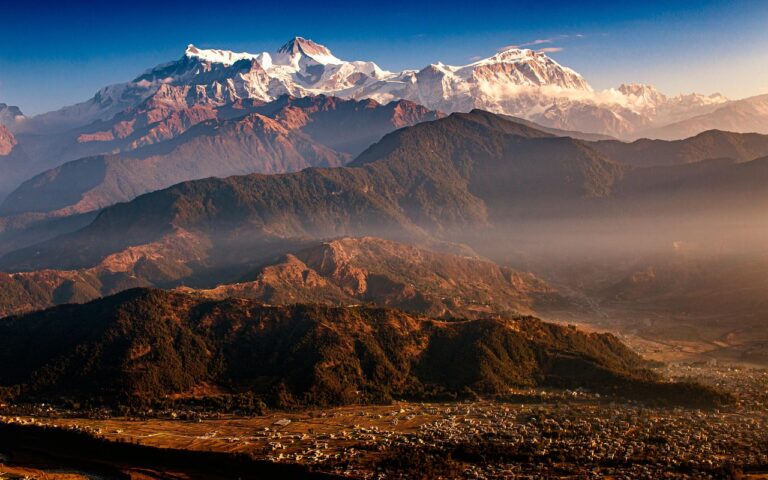
Cities in Nepal
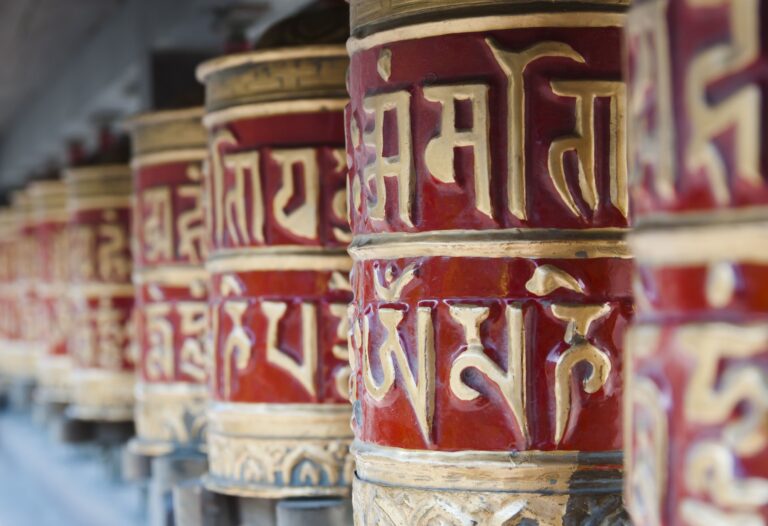
About NomadRoute
NomadRoute helps travelers discover destinations, compare flight options, and find competitive fares from trusted airlines and travel providers worldwide. We do not sell airline tickets directly. Instead, we connect travelers with leading booking partners.
Discover More Destinations
Find low fares from trusted travel providers.
Compare options and book directly with partners.
Explore destinations and routes worldwide.