
Travel Guide to Roatan Institute for Marine Sciences
The Roatan Institute for Marine Sciences (RIMS) is a leading marine research center located on the stunning island of Roatan in Honduras. Established to foster marine conservation and education, RIMS plays a crucial role in safeguarding the rich biodiversity of the Caribbean Sea. Visitors can look forward to an engaging experience that blends education with the chance to observe marine life up close.
At RIMS, you will find various exhibits that highlight the unique marine ecosystems of the region, including vibrant coral reefs and lush mangroves. The institute is committed to research and conservation efforts, making it an ideal destination for those interested in marine biology and environmental science. Guided tours are available, allowing visitors to learn from knowledgeable staff about ongoing projects and the significance of preserving marine habitats.
Continue reading the travel guide
Travel Guide to Roatan Institute for Marine Sciences
The atmosphere at RIMS is both educational and inspiring, making it a perfect stop for families, students, and anyone passionate about the ocean. The institute also collaborates with local communities to promote sustainable practices, ensuring that the natural beauty of Roatan is preserved for future generations.
When planning your visit, consider combining your trip to RIMS with nearby attractions, such as the beautiful beaches of West Bay or the vibrant coral reefs that are perfect for snorkeling and diving. RIMS is conveniently accessible from the main tourist areas on the island, making it an easy addition to your itinerary.
Why Visit?
A visit to the Roatan Institute for Marine Sciences provides a unique opportunity to learn about marine conservation while experiencing the breathtaking biodiversity of the Caribbean. The interactive exhibits and expert staff create an enriching experience for all ages, making it ideal for those passionate about ocean preservation.
Best Time to Visit
The ideal time to visit the Roatan Institute for Marine Sciences is during the dry season, from mid-December to April, when the weather is pleasant and perfect for outdoor activities. Early mornings or late afternoons are also recommended to avoid the midday heat and crowds.
Ready to go? Plan your Roatan Institute for Marine Sciences trip → Good to know →
Plan your trip to Roatan Institute for Marine Sciences
Flights, accommodation and ways to get around — plan the details that matter to you.
Find flights to Roatan Institute for Marine Sciences
Nearest recommended airport search point: RTB.
See recent flight offersTo Roatan €392From Roatan €570
Recent flight offers
Compare available fares and routes for Roatan Institute for Marine Sciences.
Flights to Roatan Arrivals · RTB
Cheap Flights to Roatan for Roatan Institute for Marine Sciences (RTB)
Compare recent fares to Roatan, the suggested airport search point for visiting Roatan Institute for Marine Sciences. Choose a listed deal or use the search box above to check prices from your airport.
Flights from Roatan Institute for Marine Sciences Departures · RTB
Cheap Flights from Roatan (RTB)
Compare the latest low fares from Roatan to popular destinations. Prices are updated regularly and may change based on travel dates and availability.
Stay & getting around
Choose a neighbourhood, then decide how you will get from the airport and around the city.
Where to stay Neighbourhoods and accommodation
Where to Stay in Roatan Institute for Marine Sciences
For easy access to the Roatan Institute for Marine Sciences, consider staying in West End or West Bay, where a variety of accommodations are available, ranging from budget hostels to luxury resorts. These areas boast beautiful beaches and convenient access to local dining and activities.
Getting around Airport transfers and local transport

Getting Around Roatan Institute for Marine Sciences
Roatan is easily navigable by car, taxi, or public transport. The nearest airport, Juan Manuel Gálvez International Airport (RTB), is just a short drive from the institute. Once on the island, taxis are readily available, and renting a car offers flexibility to explore various attractions at your own pace.
Travel essentials
 Stay connected
 Flight delayed or cancelled?
Popular Activities in Roatan Institute for Marine Sciences
Good to know about Roatan Institute for Marine Sciences
Map & DirectionsChoose a map
Open Roatan Institute for Marine Sciences in your preferred map app.




Country factsCapital, language and useful details
Quick Facts
Country
Location
Practical Information
Climate
Honduras has a tropical climate characterized by distinct wet and dry seasons. Coastal areas are generally warm and humid, while the interior regions can be cooler, particularly in the highlands. Rainfall is common from May to October, with the dry season typically occurring from November to April.
Money
The local currency is the Honduran lempira (HNL). Cards may be accepted in hotels and larger tourist businesses, but cash is useful for transport, local restaurants, and rural areas.
Internet & SIM
Mobile coverage is generally good in urban areas, with several providers offering SIM and eSIM options. Wi-Fi is available in many hotels and cafes, but connectivity may be limited in remote regions.
Electricity
Voltage: 120 V
Frequency: 60 Hz
Safety
Emergency
911
Explore more in Honduras
Places to Visit in Honduras
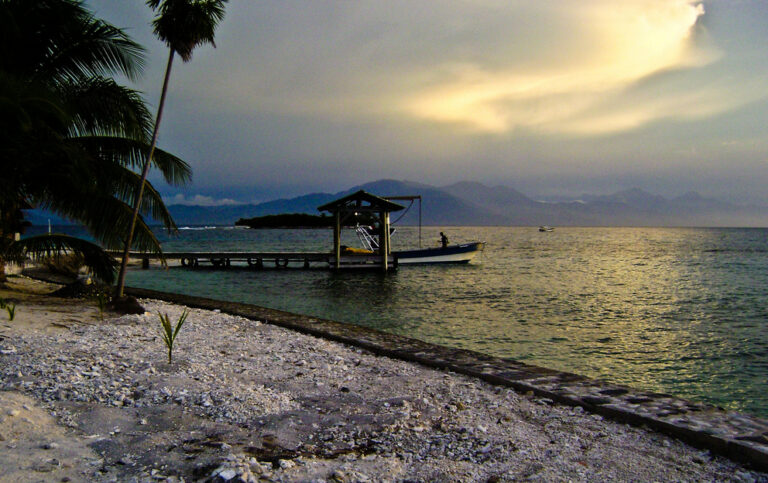
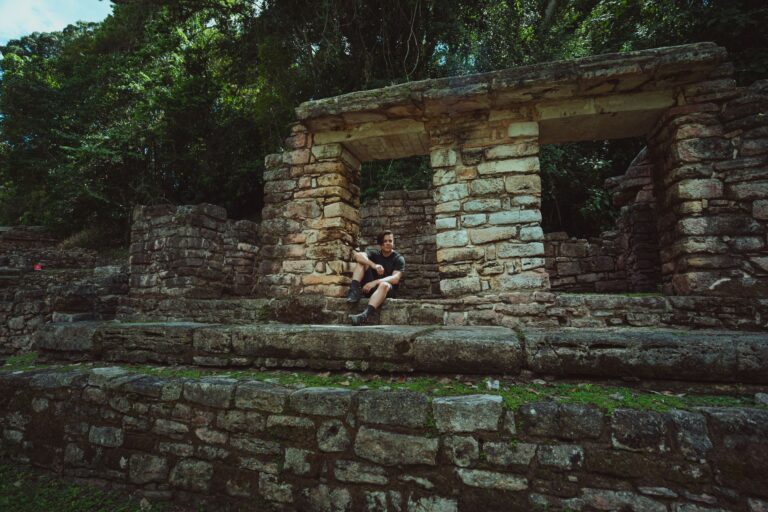
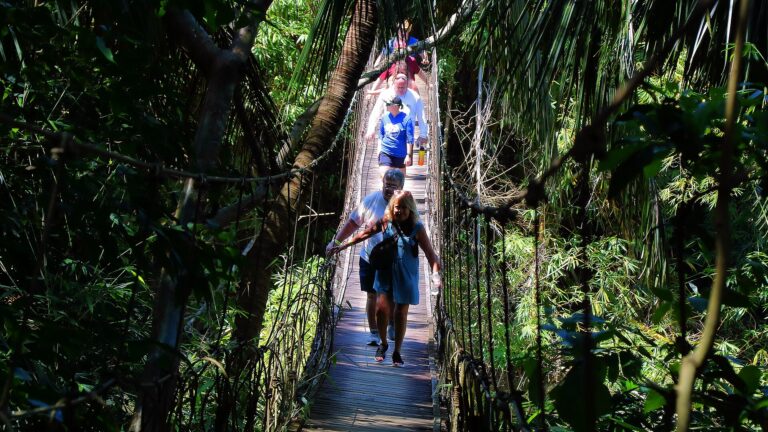
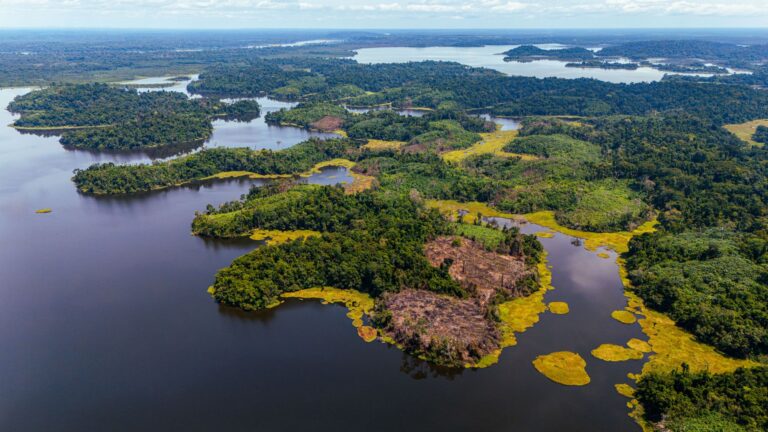
Cities in Honduras
About NomadRoute
NomadRoute helps travelers discover destinations, compare flight options, and find competitive fares from trusted airlines and travel providers worldwide. We do not sell airline tickets directly. Instead, we connect travelers with leading booking partners.
Find low fares from trusted travel providers.
Compare options and book directly with partners.
Explore destinations and routes worldwide.