
Travel Guide to Honduras
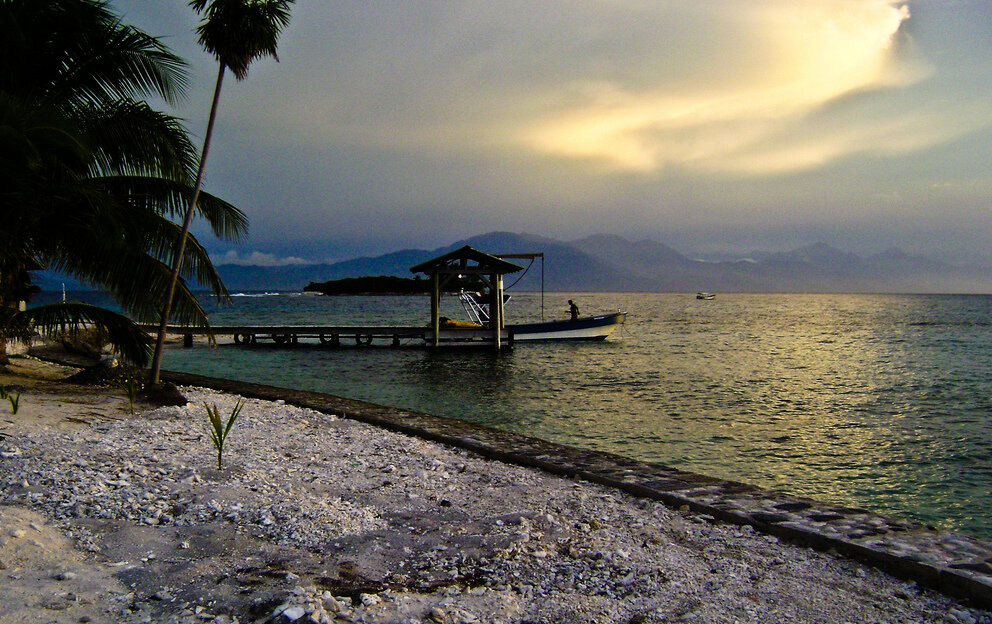
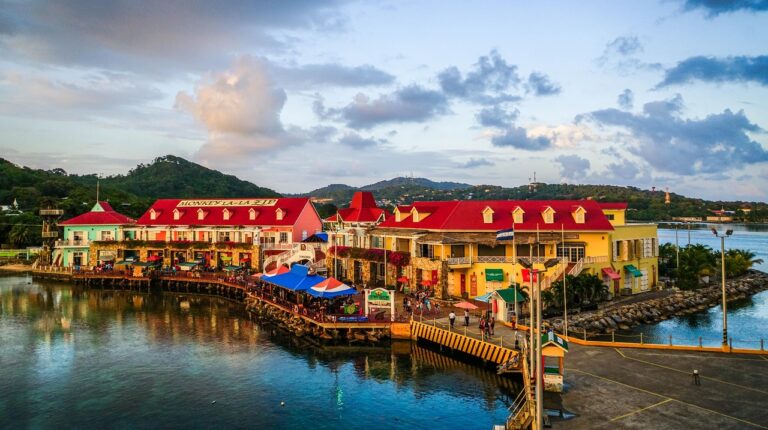
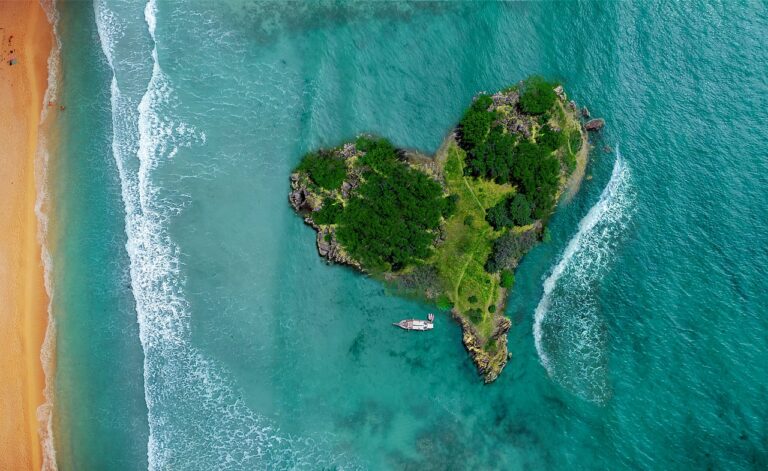
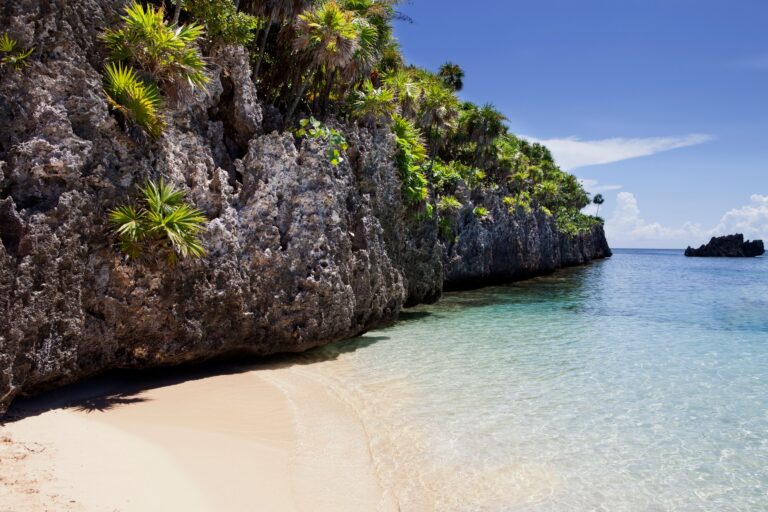
Honduras is a captivating country that beautifully merges natural wonders with a rich cultural tapestry. The Caribbean coast features the stunning Bay Islands, particularly Roatán and Utila, renowned for their crystal-clear waters and vibrant marine life, making them prime spots for diving and snorkeling. The warm sea temperatures and extensive coral reefs create an inviting environment for ocean enthusiasts, ensuring these islands are a must-visit for water sports lovers.
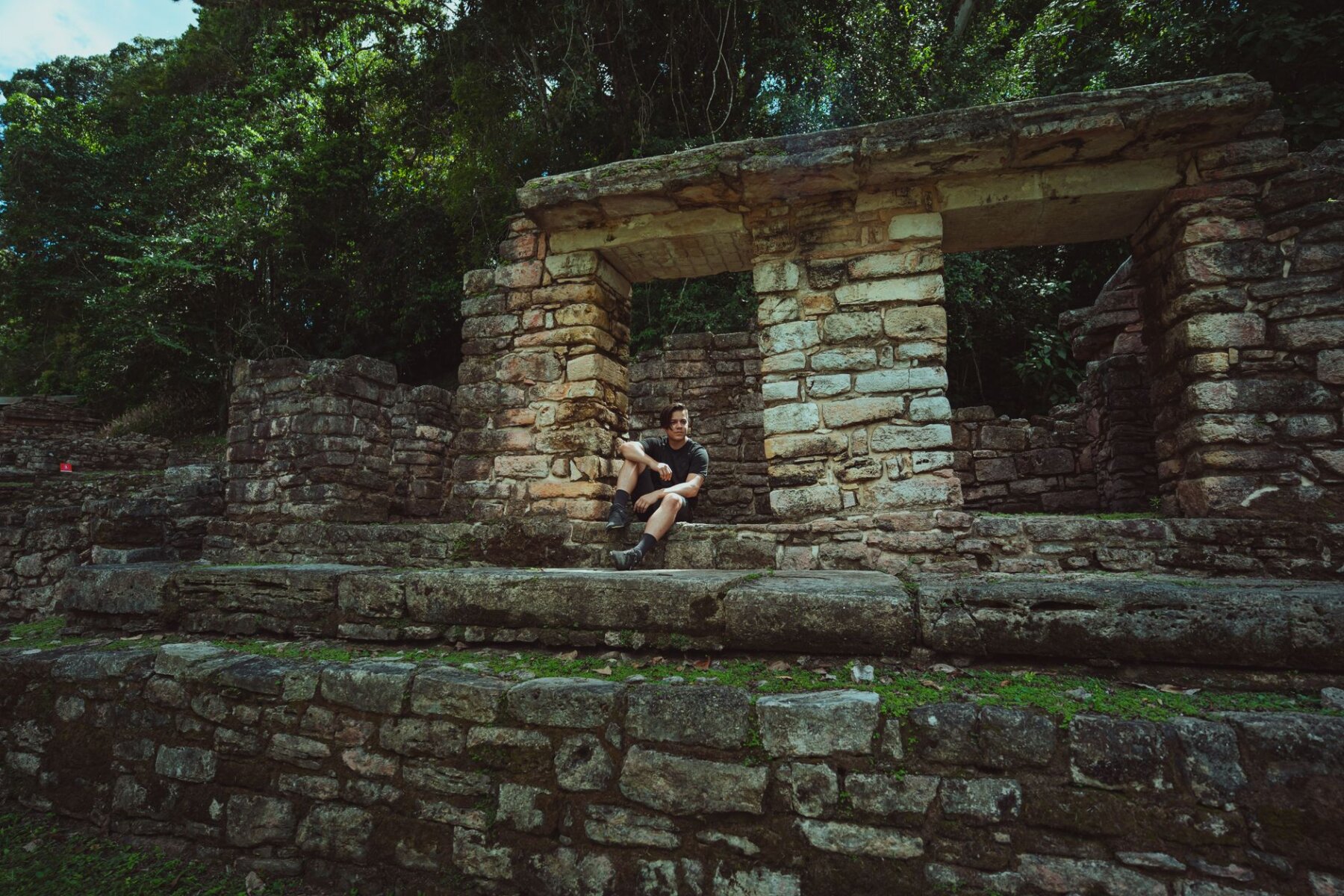
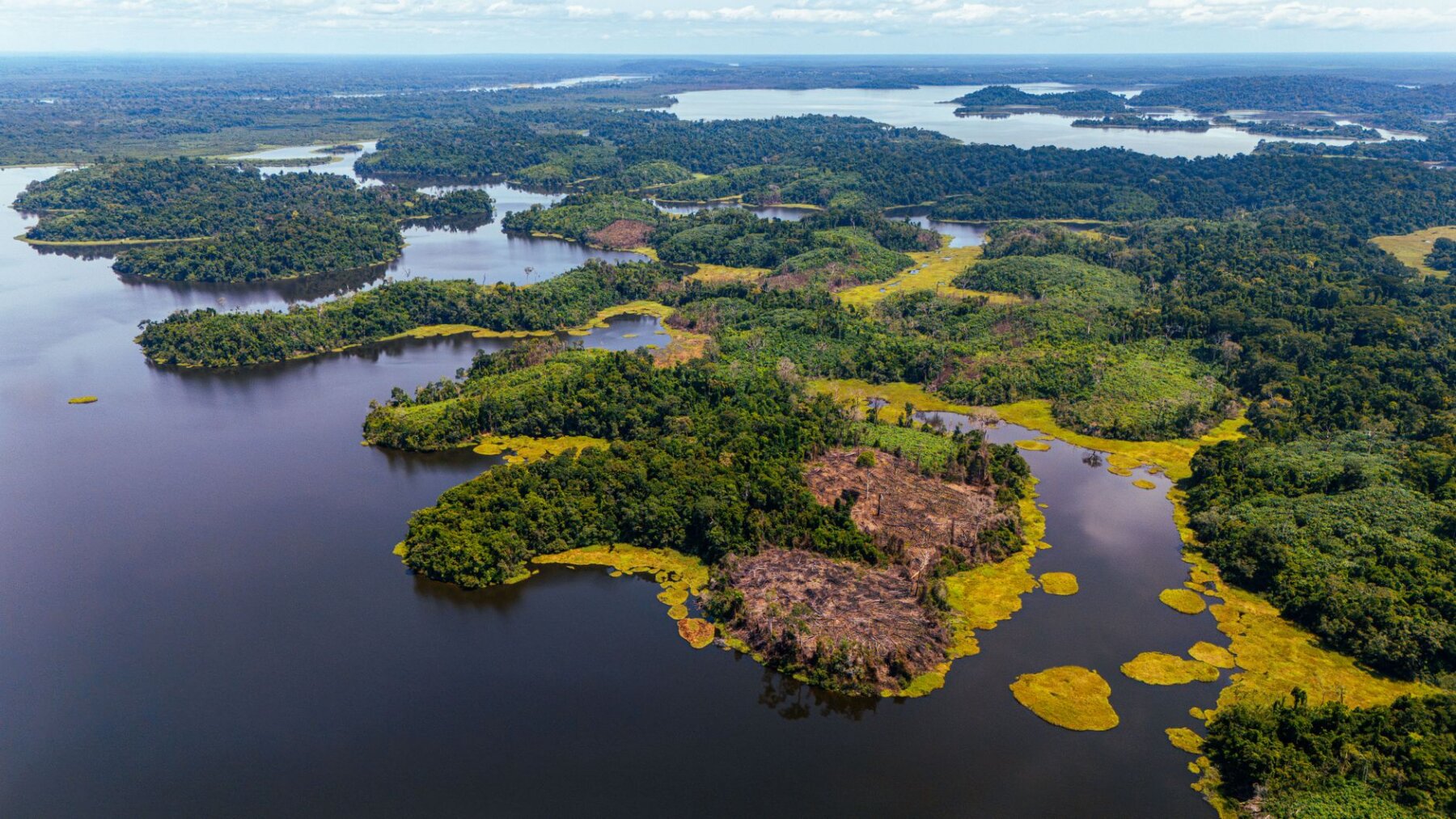
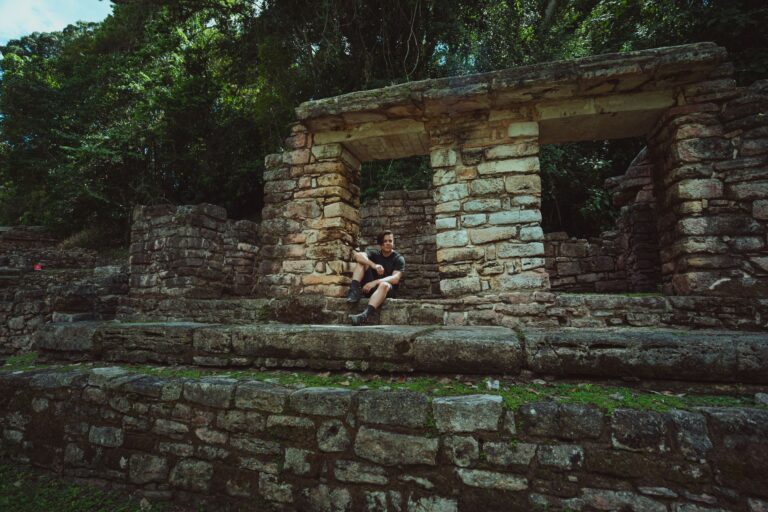
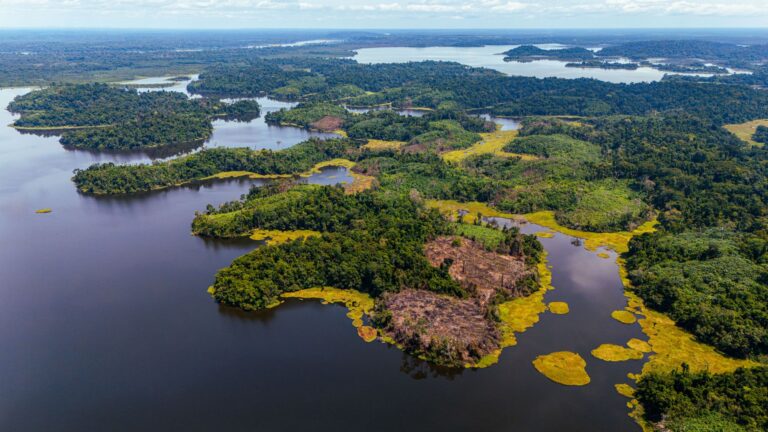
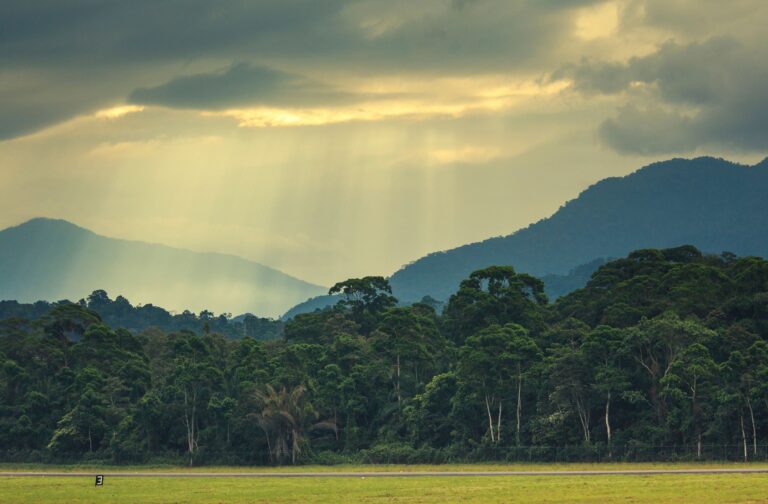
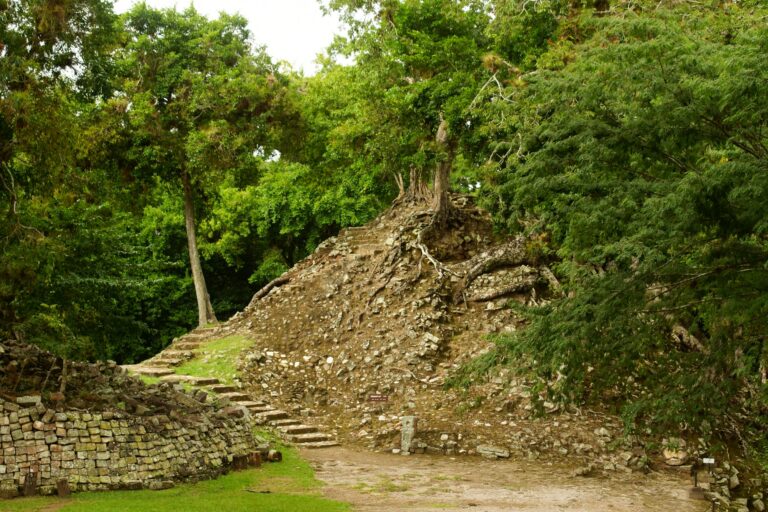
Inland, Honduras boasts lush rainforests, cloud forests, and mountainous regions, with the Río Plátano Biosphere Reserve recognized as a UNESCO World Heritage site. This reserve, along with various national parks, protects vital habitats for diverse wildlife, including exotic birds, reptiles, and tropical plants. History enthusiasts will find the ancient Mayan ruins of Copán particularly fascinating, showcasing intricate stone carvings and hieroglyphic stairways that narrate the story of this remarkable civilization.
Continue reading the travel guide
Travel Guide to Honduras
Traveling in Honduras can be rewarding, but conditions vary significantly by region. Visitors should plan their itineraries carefully, opting for reliable transportation and staying updated on local guidance. It's essential to take necessary safety precautions, especially in urban areas and remote locations, to ensure a smooth and enjoyable trip. From the vibrant culture of Tegucigalpa to the serene landscapes of Lago de Yojoa, Honduras offers a diverse range of experiences for every traveler.
Why Visit?
Honduras offers an array of unique experiences, from diving and snorkeling around the Bay Islands to exploring the ancient Mayan heritage at Copán Ruinas. Nature enthusiasts can immerse themselves in the stunning landscapes of the Río Plátano Biosphere Reserve and the diverse ecosystems found in its national parks. The warm tropical climate and rich marine wildlife further enhance the allure of this Central American destination, making it a perfect getaway for adventure seekers and culture lovers alike.
Best Time to Visit
The best time to visit Honduras is generally during the drier season from November to April. This period offers more favorable weather for outdoor activities, especially on the Caribbean coast. However, travelers should be aware that the region can still experience rain throughout the year, and hurricane season runs from June to November, peaking from August to October. Planning your trip during the dry season allows for a more enjoyable experience, particularly for beach and nature excursions.
Honduras highlights
View all
Top Attractions in Honduras
- Roatán
- Utila
- Copán Ruinas
- Río Plátano Biosphere Reserve
- Cayos Cochinos
- Lago de Yojoa
- La Tigra National Park
- Jeanette Kawas National Park
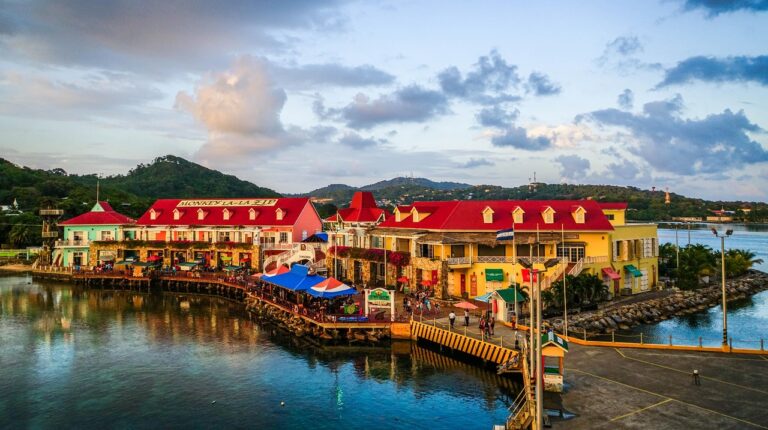
- Tegucigalpa
- Comayagua
Ready to go? Plan your Honduras trip → Good to know →
Plan your trip to Honduras
Flights, accommodation and ways to get around — plan the details that matter to you.
Find flights to Honduras
Suggested airport search point: TGU.
See recent flight offersTo Tegucigalpa €733From Tegucigalpa €928
Recent flight offers
Compare available fares and routes for Honduras.
Flights to Tegucigalpa Arrivals · TGU
Cheap Flights to Tegucigalpa for Honduras (TGU)
Compare recent fares to Tegucigalpa, the suggested airport search point for visiting Honduras. Choose a listed deal or use the search box above to check prices from your airport.
Flights from Honduras Departures · TGU
Cheap Flights from Tegucigalpa (TGU)
Compare the latest low fares from Tegucigalpa to popular destinations. Prices are updated regularly and may change based on travel dates and availability.
Stay & getting around
Choose a neighbourhood, then decide how you will get from the airport and around the city.
Where to stay Neighbourhoods and accommodation
Where to Stay in Honduras
Stay on Roatán or Utila for diving, snorkeling, and island travel. Copán Ruinas is the best base for archaeological sites and exploring the western highlands. Tegucigalpa and San Pedro Sula serve mainly as transport and business hubs rather than leisure bases. For nature-focused travel, consider lodges near national parks or Lake Yojoa.
Getting around Airport transfers and local transport

Getting Around Honduras
Domestic travel in Honduras requires careful planning. Tourist shuttles, private transfers, and reputable intercity bus companies are usually better choices than informal transport. Roads vary in quality, especially in rural and mountainous areas. For island travel, ferries and domestic flights connect the Bay Islands with the mainland.
Travel essentials
 Stay connected
 Flight delayed or cancelled?
Popular Activities in Honduras
Good to know about Honduras
Map & DirectionsChoose a map
Open Honduras in your preferred map app.




Country factsCapital, language and useful details
Quick Facts
Country
Location
Practical Information
Climate
Honduras has a tropical climate characterized by distinct wet and dry seasons. Coastal areas are generally warm and humid, while the interior regions can be cooler, particularly in the highlands. Rainfall is common from May to October, with the dry season typically occurring from November to April.
Money
The local currency is the Honduran lempira (HNL). Cards may be accepted in hotels and larger tourist businesses, but cash is useful for transport, local restaurants, and rural areas.
Internet & SIM
Mobile coverage is generally good in urban areas, with several providers offering SIM and eSIM options. Wi-Fi is available in many hotels and cafes, but connectivity may be limited in remote regions.
Electricity
Voltage: 120 V
Frequency: 60 Hz
Safety
Emergency
911
Frequently Asked Travel Questions
What is the best time to visit Honduras?
The best time to visit Honduras is during the dry season from November to April, when the weather is more favorable for outdoor activities.
What is the local currency in Honduras?
The local currency is the Honduran lempira (HNL). While credit cards are accepted in some places, it's advisable to carry cash for local transactions.
Are there any entry requirements for visiting Honduras?
Most visitors require a valid passport and may need a visa depending on their nationality. It's best to check the official requirements before traveling.
What are the main airports in Honduras?
The main international airport is Toncontín International Airport (TGU) in Tegucigalpa, with other significant airports in San Pedro Sula and Roatán.
Is it safe to travel in Honduras?
While many areas are safe for tourists, it's important to stay informed about local conditions, avoid risky areas, and take standard safety precautions.
Explore more in Honduras
Places to Visit in Honduras
Cities in Honduras
About NomadRoute
NomadRoute helps travelers discover destinations, compare flight options, and find competitive fares from trusted airlines and travel providers worldwide. We do not sell airline tickets directly. Instead, we connect travelers with leading booking partners.
Discover More Destinations
Find low fares from trusted travel providers.
Compare options and book directly with partners.
Explore destinations and routes worldwide.