
Travel Guide to Puncak Jaya
Puncak Jaya, also known as Carstensz Pyramid, stands as the highest peak in Oceania, reaching an impressive height of 4,884 meters above sea level. Nestled in the Sudirman mountain range of Papua, Indonesia, this majestic mountain is celebrated not only for its altitude but also for its stunning landscapes and unique glacial features. The name 'Puncak Jaya' translates to 'Victorious Peak,' aptly reflecting the allure it holds for climbers and adventurers from around the globe.
The ascent to Puncak Jaya presents a formidable challenge, necessitating a permit from local authorities, which can be arranged through various tourism companies. The mountain was off-limits to climbers from 1995 to 2005, making its summit a coveted goal for mountaineers. Typically, reaching the base camp requires 4 to 7 days of trekking through dense jungle, often under heavy rainfall, which adds to the adventure.
Continue reading the travel guide
Travel Guide to Puncak Jaya
While the peak itself is ice-free, several glaciers, including the well-known Carstensz Glacier, can be found on its slopes, although they are rapidly melting. The closest city with an airport is Timika, situated about 60 kilometers southwest of Puncak Jaya. From Timika, climbers usually take a small plane to a nearby village with a rudimentary landing strip before embarking on the trek to the mountain.
In addition to its natural beauty, Puncak Jaya is located near the Grasberg mine, the largest gold mine in the world and the third largest copper mine, adding an interesting industrial aspect to the region. At its peak, the mine employed over 20,000 workers, showcasing the area's economic significance.
Whether you are an experienced climber or simply an admirer of nature's wonders, Puncak Jaya promises an unforgettable experience that combines breathtaking views, rich history, and the thrill of adventure.
Why Visit?
Puncak Jaya is a must-visit for adventure seekers and nature lovers, offering unparalleled views and a unique climbing experience in one of the most remote areas of the world.
Best Time to Visit
The best time to visit Puncak Jaya is during the dry season, from May to October, when weather conditions are more favorable for climbing.
Ready to go? Plan your Puncak Jaya trip → Good to know →
Plan your trip to Puncak Jaya
Flights, accommodation and ways to get around — plan the details that matter to you.
Find flights to Puncak Jaya
Nearest recommended airport search point: TIM.
See recent flight offersTo Tembagapura €310
Recent flight offers
Compare available fares and routes for Puncak Jaya.
Flights to Tembagapura Arrivals · TIM
Cheap Flights to Tembagapura for Puncak Jaya (TIM)
Compare recent fares to Tembagapura, the suggested airport search point for visiting Puncak Jaya. Choose a listed deal or use the search box above to check prices from your airport.
Stay & getting around
Choose a neighbourhood, then decide how you will get from the airport and around the city.
Where to stay Neighbourhoods and accommodation
Where to Stay in Puncak Jaya
Accommodation options near Puncak Jaya are limited, with most climbers staying in Timika before and after their expedition. Local guesthouses and hotels are available in the city.
Getting around Airport transfers and local transport

Getting Around Puncak Jaya
Traveling to Puncak Jaya involves flying into Timika and then taking a small plane to a nearby village. From there, a multi-day trek through the jungle is necessary to reach the base camp.
Travel essentials
 Stay connected
 Flight delayed or cancelled?
Popular Activities in Puncak Jaya
Good to know about Puncak Jaya
Map & DirectionsChoose a map
Open Puncak Jaya in your preferred map app.




Country factsCapital, language and useful details
Quick Facts
Country
Location
Practical Information
Climate
Indonesia has a tropical climate with significant regional variations. The dry season typically lasts from May to September, while the rainy season runs from October to April. Coastal areas are generally warm and humid, while mountainous regions can be cooler.
Money
The local currency is IDR - Rupiah (Rp). Cards are accepted in many places, but carrying some cash can be useful for small purchases, local transport, and rural areas.
Internet & SIM
Mobile coverage is widely available in urban areas and popular tourist destinations. SIM cards can be easily purchased at airports and convenience stores, offering affordable data plans. Wi-Fi is commonly found in hotels, cafes, and restaurants.
Electricity
Voltage: 230 V
Frequency: 50 Hz
Safety
Emergency
112 / 110 / 118
Explore more in Indonesia
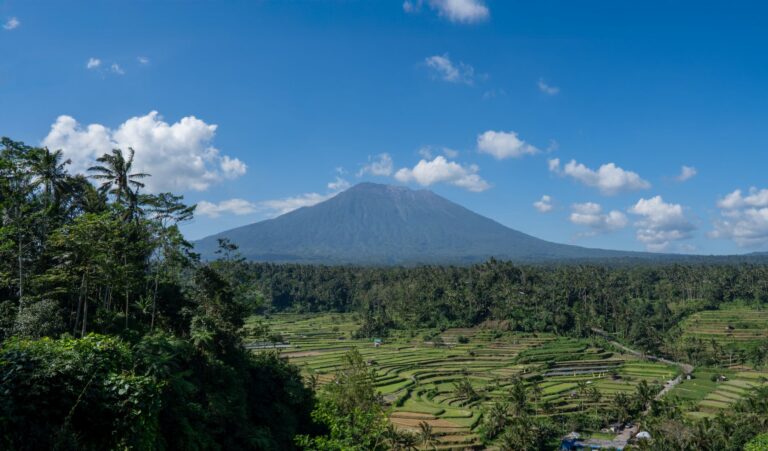
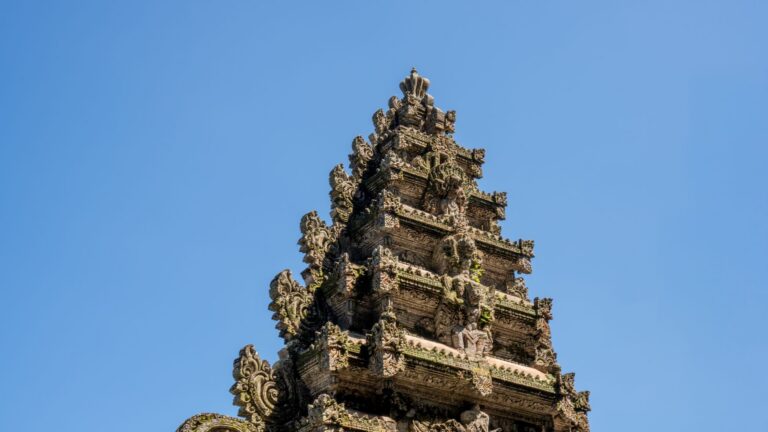
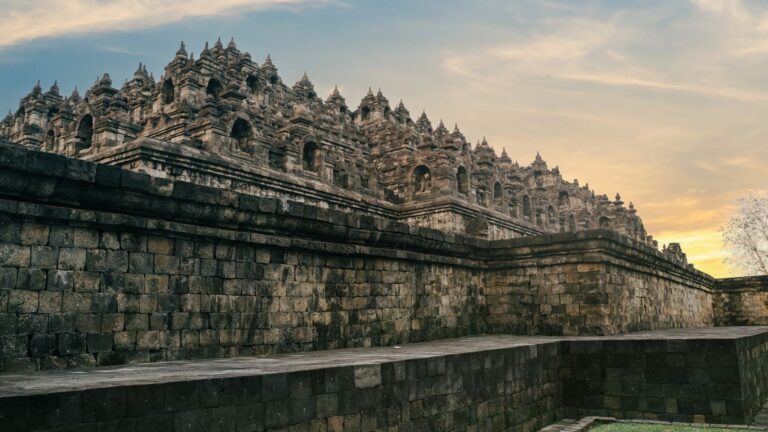
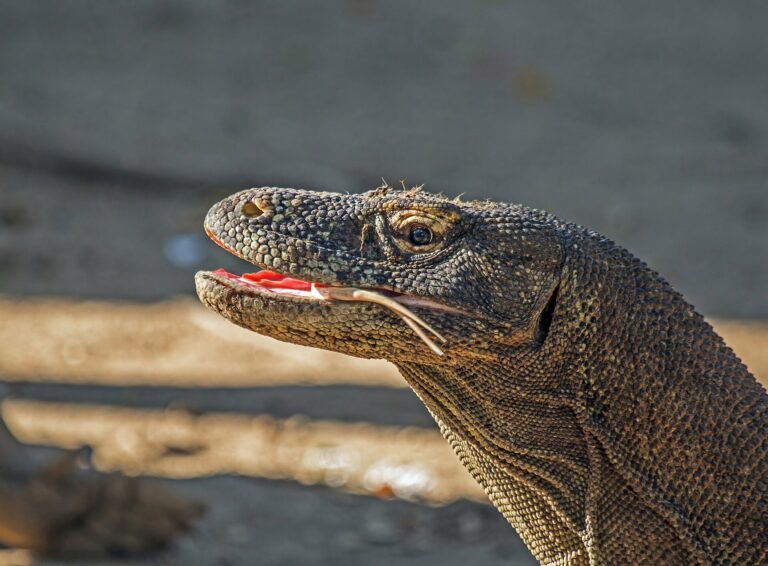
Places to Visit in Indonesia

Cities in Indonesia
About NomadRoute
NomadRoute helps travelers discover destinations, compare flight options, and find competitive fares from trusted airlines and travel providers worldwide. We do not sell airline tickets directly. Instead, we connect travelers with leading booking partners.
Discover More Destinations
Find low fares from trusted travel providers.
Compare options and book directly with partners.
Explore destinations and routes worldwide.