
Travel Guide to Borobudur
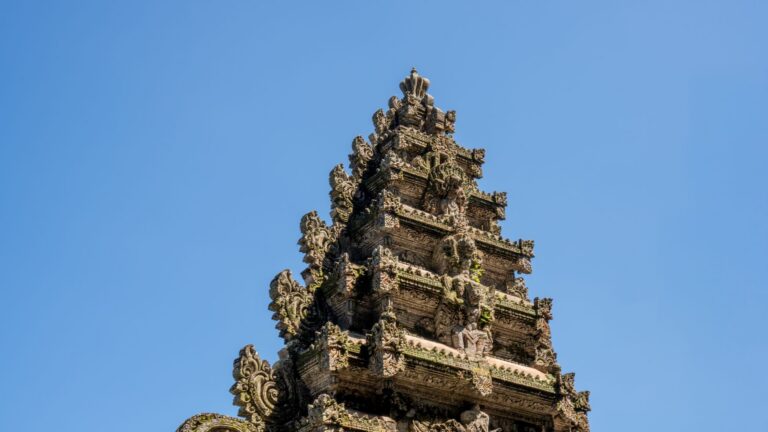
Borobudur, a UNESCO World Heritage Site, stands as one of Indonesia's most iconic landmarks and a masterpiece of ancient architecture. Constructed in the 9th century during the reign of the Sailendra Dynasty, this temple exemplifies the grandeur of Buddhist art and design. The structure features six square platforms topped by three circular ones, adorned with over 2,600 relief panels and 504 Buddha statues, making it a significant pilgrimage site for Buddhists worldwide.
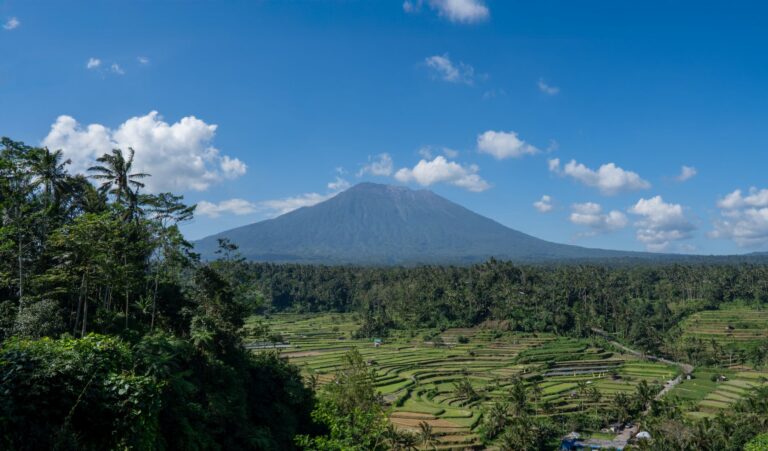
Visitors to Borobudur are often captivated by its grandeur and the serene atmosphere that envelops the site. Nestled amidst lush green hills and volcanic mountains, the temple offers a picturesque setting for exploration. As you ascend the temple, you'll encounter beautifully carved reliefs that depict the life of Buddha and various Buddhist teachings, providing a glimpse into Indonesia's rich cultural heritage.
Continue reading the travel guide
Travel Guide to Borobudur
For those planning a visit, arriving early in the morning is highly recommended to witness the breathtaking sunrise over the temple, a popular experience among tourists. The site is easily accessible from Yogyakarta, the nearest major city, located approximately an hour's drive away. Be prepared for a fair amount of walking and climbing, as the temple consists of multiple levels and staircases. Guided tours are available, offering deeper insights into the history and significance of this remarkable site.
Why Visit?
Visiting Borobudur provides a unique opportunity to explore one of the largest Buddhist temples in the world, surrounded by stunning natural beauty. The intricate carvings and tranquil atmosphere make it a must-see for anyone interested in history, culture, and spirituality.
Best Time to Visit
The best time to visit Borobudur is during the dry season, from April to October, when the weather is more favorable for exploring the temple. Early mornings are ideal for avoiding crowds and enjoying the sunrise views.
Ready to go? Plan your Borobudur trip → Good to know →
Plan your trip to Borobudur
Flights, accommodation and ways to get around — plan the details that matter to you.
Find flights to Borobudur
Nearest recommended airport search point: JKT.
See recent flight offersTo Jakarta €94From Jakarta €77
Recent flight offers
Compare available fares and routes for Borobudur.
Flights to Jakarta Arrivals · JKT
Cheap Flights to Jakarta for Borobudur (JKT)
Compare recent fares to Jakarta, the suggested airport search point for visiting Borobudur. Choose a listed deal or use the search box above to check prices from your airport.
Flights from Borobudur Departures · JKT
Cheap Flights from Jakarta (JKT)
Compare the latest low fares from Jakarta to popular destinations. Prices are updated regularly and may change based on travel dates and availability.
Stay & getting around
Choose a neighbourhood, then decide how you will get from the airport and around the city.
Where to stay Neighbourhoods and accommodation
Where to Stay in Borobudur
The most practical base for visiting Borobudur is Yogyakarta, where a variety of accommodations are available, ranging from budget hostels to luxury hotels. Staying in Yogyakarta also allows for easy access to other cultural attractions in the region.
Getting around Airport transfers and local transport

Getting Around Borobudur
To reach Borobudur, travelers can take a taxi or hire a private driver from Yogyakarta, which is about 40 kilometers away. Once at the temple, visitors can explore on foot, as the site is designed for walking and climbing between its various levels.
Travel essentials
 Stay connected
 Flight delayed or cancelled?
Popular Activities in Borobudur
Good to know about Borobudur
Map & DirectionsChoose a map
Open Borobudur in your preferred map app.




Country factsCapital, language and useful details
Quick Facts
Country
Location
Practical Information
Climate
Indonesia has a tropical climate with significant regional variations. The dry season typically lasts from May to September, while the rainy season runs from October to April. Coastal areas are generally warm and humid, while mountainous regions can be cooler.
Money
The local currency is IDR - Rupiah (Rp). Cards are accepted in many places, but carrying some cash can be useful for small purchases, local transport, and rural areas.
Internet & SIM
Mobile coverage is widely available in urban areas and popular tourist destinations. SIM cards can be easily purchased at airports and convenience stores, offering affordable data plans. Wi-Fi is commonly found in hotels, cafes, and restaurants.
Electricity
Voltage: 230 V
Frequency: 50 Hz
Safety
Emergency
112 / 110 / 118
Explore more in Indonesia
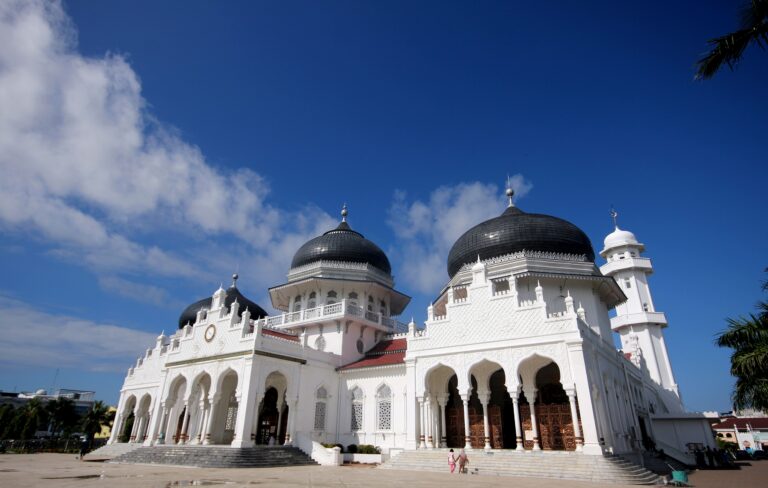
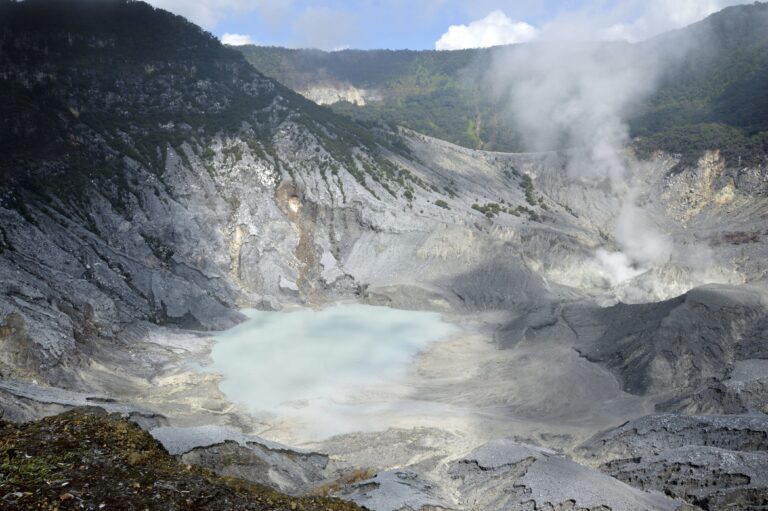
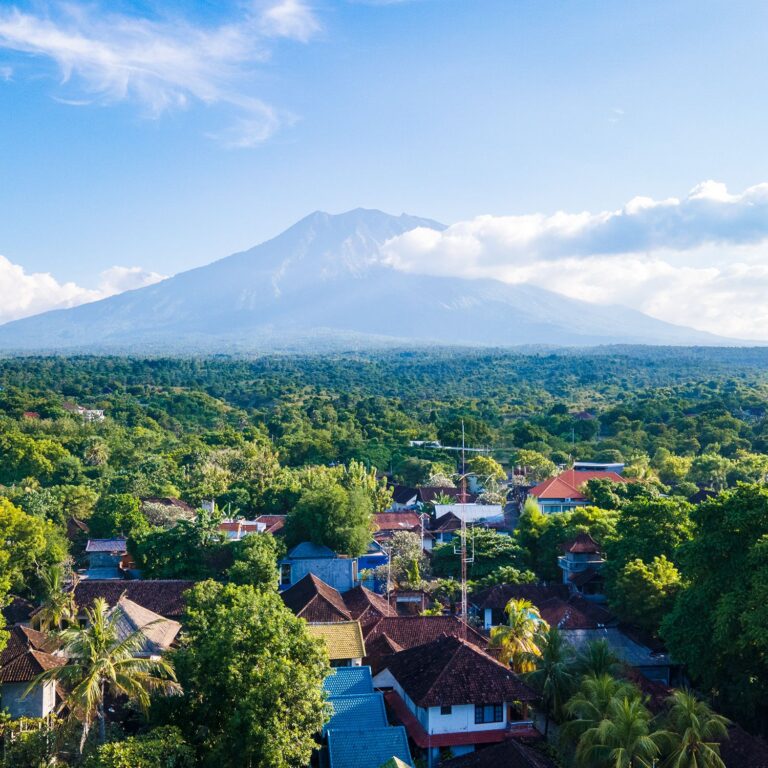
Places to Visit in Indonesia

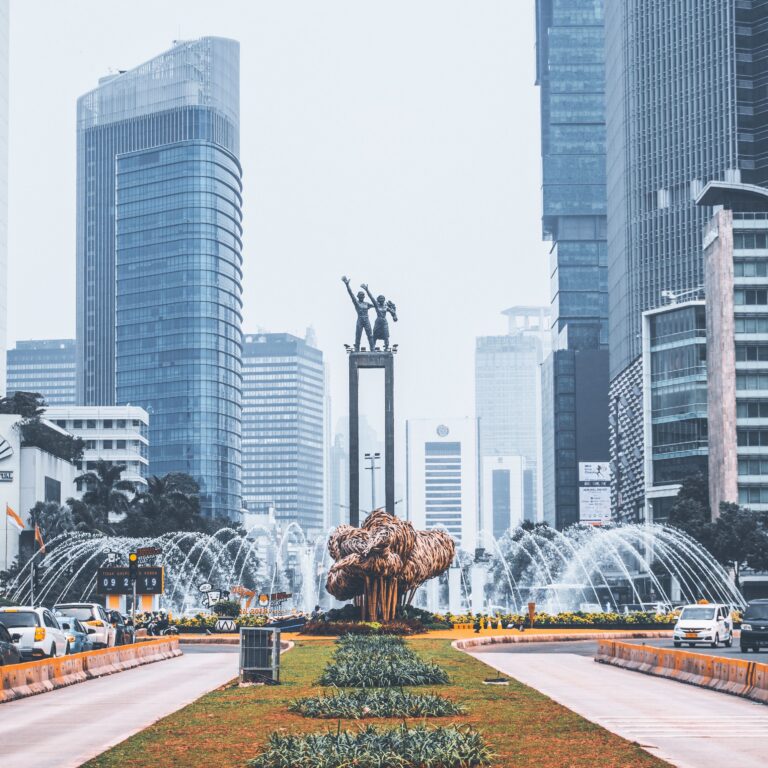
Cities in Indonesia
About NomadRoute
NomadRoute helps travelers discover destinations, compare flight options, and find competitive fares from trusted airlines and travel providers worldwide. We do not sell airline tickets directly. Instead, we connect travelers with leading booking partners.
Discover More Destinations
Find low fares from trusted travel providers.
Compare options and book directly with partners.
Explore destinations and routes worldwide.
Photo · Afif Ramdhasuma · Pexels